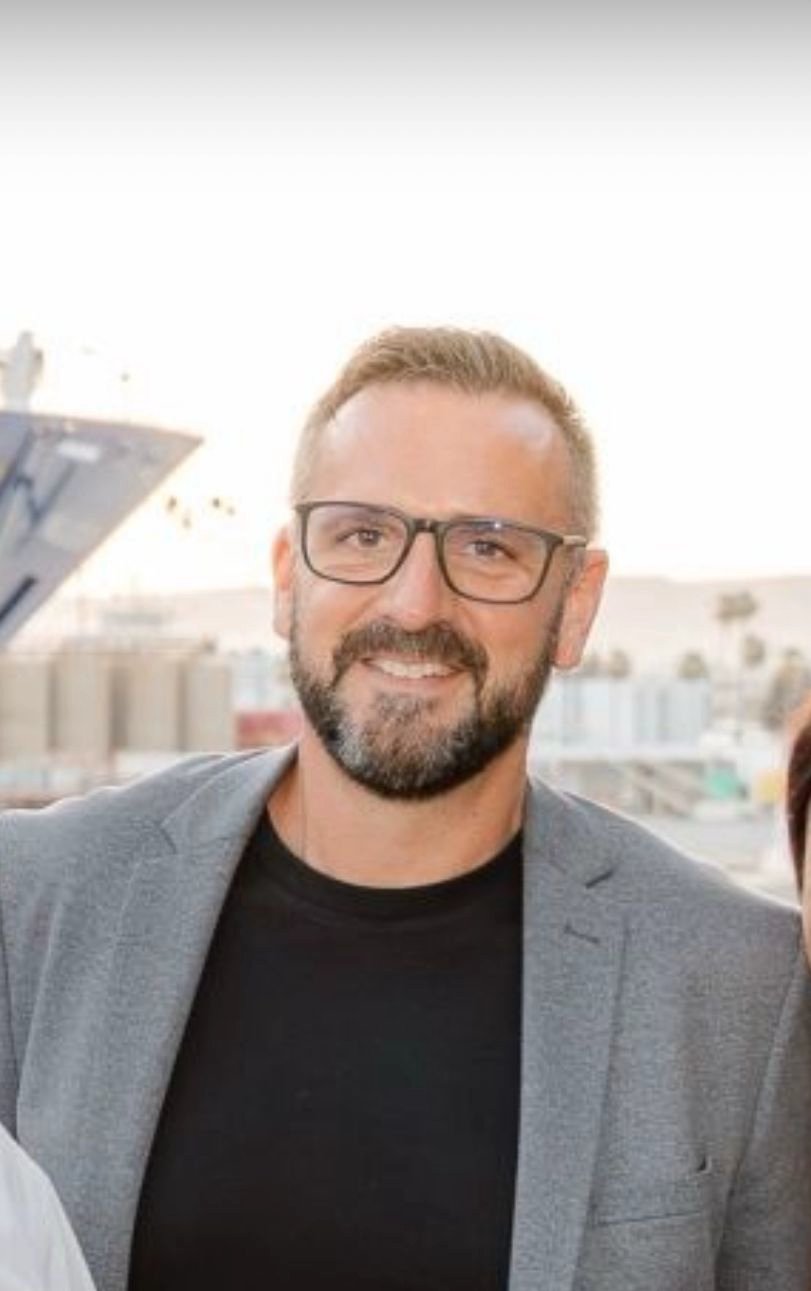
Christian Gihr – co-founder and Chief Visionary Officer of SC Silver Consultancy and President of the Cyprus-Germany Business Association – has built his career by combining entrepreneurial drive with a clear sense of purpose. His leadership philosophy is shaped not only by professional achievements but also by profound personal experiences, which strengthened his belief that innovation and empathy must go hand in hand. Alongside his business and association work, he also channels his passion for sport into new projects such as PadUnite, a platform designed to connect people through padel, competition and community.
Your journey began as an employee, continued as a SAP freelancer, then moved into leadership roles and now you are a Chief Visionary Officer. What inner conviction or discipline has guided you through these different stages of your career?
In the very beginning I worked as an in-house consultant within large companies in Germany. It gave me a strong professional foundation, but it also showed me that simply doing the tasks I was given would never be enough for me. I wanted to create something of my own and to see a clear impact from my work. That drive to build and improve became the red thread throughout my career.
When I became a freelancer, I found more freedom to influence outcomes – optimising processes, helping clients get the best out of their IT systems, making things more efficient for teams. Over time this motivation grew stronger: to be not only part of an organisation but someone shaping it. Every new stage, whether as freelancer, CEO or now CVO, has been about following that conviction – to create, to improve, and to leave a mark that goes beyond the task at hand.
Entrepreneurship and leadership often test character. Which personal qualities have helped you most to navigate uncertainty and which have you consciously worked to strengthen?
I think one of my natural strengths is not being afraid to take decisions. Some may say I move too quickly at times, but for me entrepreneurship requires this courage – to act, to try, to risk being wrong. If you never decide, you remain stuck. Even if a choice later proves imperfect, at least you gain experience.
What I had to consciously develop is the ability to balance this decisiveness with maturity and reflection. Earlier in my career I might jump into too many initiatives at once. Over the years, I learned the importance of focus and the discipline to say no. Another area I have strengthened is confidence in meeting new people and networking. As an introvert, that was not natural for me. But I realised that opportunities often come through human connections, and by pushing myself I discovered the value of opening up and engaging.
Your current title – Chief Visionary Officer – suggests a focus on the future. How do you define “vision” in business, and how do you translate it into daily leadership?
The title was my own choice, because I recognised that my strength and passion lie in thinking ahead and drawing the bigger picture. For me, vision is not just about predicting the next trend or having bold ideas. It is about scanning across different areas – technology, people, society – and understanding how to connect them in a meaningful way.
Vision must also be practical. It is about asking: what can we already use, what can we rethink, how can we help people feel comfortable when change comes at them too fast? And change today is faster than ever – even for someone like me, used to the pace of IT, the speed of AI adoption feels overwhelming. Vision means not only painting the future but giving people the confidence and tools to adapt to it.
At SC Silver Consultancy, you led the company for over five years as CEO. Beyond projects and strategy, what kind of culture and values did you seek to embed in the organisation?
Values are at the heart of SC Silver. When I became CEO, I wanted a culture that genuinely cared – for clients, for quality, for sustainability, but above all for our people. Our top core value is simple: “We care.” It reflects the belief that if people feel respected and supported, they will thrive and give their best.
This conviction is also very personal. Ten years ago, I lost my wife to cancer, leaving me to raise our two boys alone. Balancing family life with running companies was extremely challenging, and it changed my outlook. I realised that family, health and fulfilment are not extras – they are foundations. That is why as a leader I place strong emphasis on integrating family into professional life and ensuring people are happy and balanced.
The team itself developed our six core values through workshops, which makes them authentic. We hold “core value months” to bring them alive in daily practice. For me, culture is not slogans on a wall – it is how people experience work every day.
When you think about your leadership style, do you see yourself more as a strategist, a mentor, or an innovator – and how do you balance those roles?
I would say all three play a role, but in different proportions depending on the situation. As a strategist, I need to set direction and make choices about where we invest time and energy. As an innovator, I am always scanning for new opportunities, new ways of working, new technologies. But I also see myself as a mentor, especially because our team is relatively small.
One habit I keep is a daily reminder to connect with the team – even if it is just a short chat or call. We work remotely, so these moments of presence matter. We also organise regular dinners, game nights and workshops, which help strengthen bonds. For me, leadership is not about being distant but being engaged, showing that you genuinely care about how people are doing – not just in business but in life.
In your view, what distinguishes truly visionary leaders from those who are simply strong managers?
Managers keep everything under control, which is valuable – but visionary leaders are willing to take risks. Not only in launching products or entering markets, but also in trusting their teams, in trying unconventional ways of working, in making decisions that might look illogical in the short term but are right for the long term.
Visionary leadership requires courage to go against the obvious, and also humility to admit when something does not work. I believe visionary leaders care more about building environments where people and ideas can flourish, even if that means losing revenue in the short run. For example, we once left a large and profitable project in France because the client treated our consultant disrespectfully. From a managerial perspective, you might accept the revenue and tell the person to endure. From a visionary perspective, you protect your team and the culture you stand for.
You wear two hats – as a business leader at SC Silver Consultancy and as President of the Cyprus-Germany Business Association. What has leading a business association taught you about leadership that running a company could not?
It has broadened my perspective enormously. In a company, your focus is naturally result-driven – how to deliver for clients, how to grow the business. In an association, the focus is different: you connect, you facilitate, you create opportunities for others.
At CGBA I often meet people who are not connected to my own industry, but by helping them connect with others, doors open in surprising directions. It showed me the power of collaboration without immediate self-interest. Leadership in an association is about serving the community, and through that service unexpected opportunities and friendships emerge. That has been a humbling and rewarding lesson.
Technology and consulting are central to your work, but leadership is about people. How do you build human connection and trust in an industry that can often feel highly technical?
For me it begins with genuine interest. I want to know what is happening in people’s lives – if someone is struggling, if there is a family issue, if something is affecting their energy. We are professionals, but we are also human. A leader who ignores that will never have a truly committed team.
Remote work makes this even more important. Without informal coffee breaks or corridor conversations, you need to intentionally create space for connection. That is why we have regular social activities and team workshops. I want people to feel seen and supported, not just as employees but as whole individuals. Trust is built not through policies but through daily human contact.
You’ve also explored different industries – from IT and consulting to recruitment and marine ventures. What has this diversity taught you about resilience, curiosity, and risk-taking?
The diversity came partly by coincidence, partly by curiosity. Recruitment, for example, grew out of my experience as a consultant working with freelancers. Marine was through a partnership with a friend who was an engineer. Both ventures were interesting, but not all of them worked out long term.
What I learned is that trying different things is never wasted. Even when a project does not succeed, you gain knowledge, resilience and clarity about where your strengths truly lie. I also learned the value of focus – you cannot do everything, and sometimes you must step back from opportunities, however attractive they seem. Risk-taking is essential, but so is the courage to stop when it no longer fits.
Cross-border cooperation is at the heart of your role with CGBA. On a personal level, what excites you about bringing different cultures and business mindsets together?
I have always loved traveling and experiencing different cultures. Every culture has strengths and lessons to offer – whether it is the family values and community spirit I admire in Cyprus, or the precision and structure I know from Germany. When you bring people together across cultures, they can learn from each other in ways that enrich both business and life.
Personally, moving to Cyprus with my two sons eight years ago was transformative. It opened me to new ways of living and working. Through CGBA I now have the chance to extend that experience – helping others bridge cultural differences, fostering collaboration, and creating opportunities that neither side could achieve alone.
Every leader encounters setbacks. Can you share a moment that challenged you deeply but ultimately made you a stronger and more empathetic leader?
One of the toughest moments was when the partnership in MLV Marine broke down. We had invested time, energy and friendship, but our values and working styles diverged. Ending the collaboration was painful, both professionally and personally. Yet it forced me to focus more clearly on what mattered to me – the values, the culture, the type of business I wanted to build.
Another difficult but defining experience was the loss of my wife. Raising two boys alone while running companies was not something I ever imagined. It gave me resilience, but more importantly, it gave me empathy. I know how important it is to create environments where people can balance work and family, and where they feel supported in difficult times. Setbacks, however hard, shape you into a more human leader if you allow them to.
If we look ten years ahead, what would you like your leadership to be remembered for – not only in results but in how people experienced working with you?
I hope people will remember me as someone who cared about their growth. For me the most fulfilling thing is to see people evolve – to start in one role and discover new strengths, new passions, new paths. One of our team members joined as an admin assistant and is now developing skills in marketing and digital tools. Watching her progress has been inspiring.
If my legacy is that people felt supported to develop, to find their passion, and to enjoy what they do – whether inside my company or beyond – then I will be happy. Results matter, but people matter more. In the end, leadership is about helping others grow, just as much as it is about achieving your own vision.
That is also why I enjoy creating new projects that bring people together in meaningful ways. One example is PadUnite, a platform we are building around the sport of padel, which I personally love. It will connect players, organise tournaments and leagues, and even create opportunities for business networking through the App. We are launching it with a CGBA padel tournament in Protaras this October. For me, ventures like this embody what leadership should leave behind – spaces where people can thrive, connect and find joy together.
Interview by Kateryna Bila
#SB100Leaders

Иностранные инвестиции на Кипре являются заложниками бюрократических процедур, чрезмерного банковского контроля и недостатков инфраструктуры. В парламентском Комитете по энергетике обсудили, что мешает стране привлекать больше инвестиций и что можно улучшить. Что участники обсуждения сочли главными препятствиями?
Представитель Торгово-промышленной Палаты Кипра (CCCI) заявил в Комитете, что банковский контроль над иностранными компаниями на Кипре гораздо строже, чем в других странах Европейского Союза. Кроме того, по его словам, стоимость транспортных услуг и энергоносителей относительно высока, а выдача различных разрешений сопровождается длительными задержками.
Представитель Ассоциации работодателей и промышленников Кипра (OEB) счел серьезным недостатком бюрократию, как в государственном аппарате, так и в банках.
От имени Ассоциации судовладельцев было отмечено, что перспективы судоходства огромны, однако самая большая проблема – это банки. По словам судовладельцев, судоходные компании быстрее открывают счета в Англии и Швейцарии, чем на Кипре.
Представитель Ассоциации адвокатов Кипра заявил, что, несмотря на улучшение имиджа страны, теневая экономика, достигающая 25%, и коррупция затрудняют привлечение инвестиций. Он также отметил длительные задержки в работе судебных органов, а также в рассмотрении заявок от банков и государственных ведомств. Что касается налоговой реформы, он считает, что она не поможет иностранным инвесторам.
Ассоциация международного бизнеса Кипра (CIBA) сообщила, что иностранные инвестиции сталкиваются с задержками в государственных процедурах и банковской системе. Было отмечено, что на Кипре недостаточно международных школ, что, по его словам, создает препятствия для переезда иностранных специалистов на Кипр.
С точки зрения инвестиционных фондов, снова были упомянуты задержки в банковском секторе. Ассоциация сертифицированных бухгалтеров Кипра (ICPAC) отметила необходимость ускорения процедур цифровизации, отметив, что публичные обсуждения создают неопределенность на рынке.
Представитель Центра бизнес-услуг заявил, что в 2021 году был создан Отдел содействия иностранным инвестициям. Он сообщил, что тогда были предоставлены налоговые вычеты и льготы, а многие процедуры были ускорены.
В конце сентября состоится заседание министерского комитета, где будут рассмотрены все возникшие вопросы. Он также отметил, что в настоящее время изучается возможность пересмотра стратегии привлечения инвестиций.
Текст подготовлен по материалам Phileleftheros
Читайте также:
AЧетыре из десяти объектов недвижимости покупают иностранцы
DBRS повысил рейтинг Кипра до “А”

Last year, Marketing Next was born out of a desire for more - a place where the coolest marketers, media experts, and industry leaders came to play and spill their biggest secrets. The event brought together representatives from giants like Meta, Google, LinkedIn, and Microsoft.
This year, organizers promise not just repeat the magic but amplify it. Marketing Next 25 promises to be bigger, cooler, and packed with even more marketing power. Leaders from Google, Microsoft, TikTok, Kantar, and TheSoul Publishing will take the stage along with one of the UK’s top marketing effectiveness experts, Tom Roach, to share his insights.
The program also includes a hands-on workshop from LinkedIn, designed to equip attendees with practical knowledge and strategies to put into action.
Far from an ordinary marketing event, Marketing Next has become a platform where industry leaders reveal their secrets — and participants gain a front-row seat to the future of marketing. The 2025 edition will take place on October 30th at Carob Mill in Limassol.

Bank of Cyprus объявил об изменениях в составе комитетов Совета директоров. Новые члены комитетов приступят к своим обязанностям 1 октября. В то же время банк успешно выпустил облигации второго уровня, спрос на которые в 10 раз превысил предложение. Детали событий.
Изменения касаются комитетов по управлению рисками, аудиту, корпоративному управлению и по кадровым ресурсам, тогда как состав Комитета по технологиям остался неизменным. Теперь состав комитетов Совета директоров Bank of Cyprus выглядит следующим образом:
Комитет по управлению рисками
Моник Хемерик (председатель)
Стюарт Биррелл
Кристиан Хансмейер
Андреас Критиотис
Комитет по аудиту
Ирини Псалти (председатель)
Адриан Джон Льюис
Лин Гроблер
Моник Хемерик
Джордж Сирихас
Комитет по корпоративному управлению
Такис Арапоглу (председатель)
Лин Гроблер
Кристиан Хансмейер
Джордж Сирихас
Комитет по кадрам
Адриан Джон Льюис (председатель)
Стюарт Биррелл
Ирини Псалти
Андреас Критиотис
Комитет по технологиям
Лин Гроблер (председатель)
Моник Хемерик
Адриан Джон Льюис
Кроме того, Bank of Cyprus Holdings неделей ранее успешно выпустил облигации второго уровня на сумму 300 млн евро. Итоговый портфель заказов превысил 3 млрд евро, что более чем в 10 раз превышает предложение.
Согласно заявлению банка, спрос на облигации был получен от более чем 100 институциональных инвесторов, что свидетельствует об их уверенности в капитале и финансовом положении компании.
Окончательная цена размещения составила 195 базисных пунктов, что на 35 базисных пунктов ниже первоначального прогноза. Новые облигации будут выпущены по цене 99,632%, процентной ставке 4,25% и доходности 4,321%. Срок погашения – 18 сентября 2036 года, с возможностью досрочного погашения в 2031 году при условии получения соответствующих разрешений.
Новым облигациям присвоен рейтинг Ba1 от Moody’s, и они будут котироваться на Люксембургской фондовой бирже и рынке многосторонних фондовых бирж (Euro MTF). Полученные средства будут предоставлены в виде кредита Bank of Cyprus для финансирования целей организации и укрепления показателей достаточности капитала. Ожидается, что они увеличат общий коэффициент достаточности капитала примерно на 300 базисных пунктов.
Параллельно с этим BOC Holdings предложила держателям существующих облигаций второго уровня на сумму 300 млн евро с погашением в 2026 году выставить их на продажу по цене 102,3% от номинальной стоимости.
Сделка была заключена с участием BofA Securities Europe SA и Goldman Sachs Europe Bank SE в качестве глобальных координаторов, а Barclays, Citigroup и Morgan Stanley выступили в качестве совместных ведущих менеджеров. CISCO выступила в качестве вспомогательного менеджера.
Текст подготовлен по материалам Phileleftheros
Читайте также:
Конкуренция на банковском рынке растет
Банковская система устойчива, но ЦБ призывает к бдительности

Mountain biking is a gateway to a world of adventure for children. Cyprus offers hundreds of kilometres of mountain trails and forest paths, where every route becomes a little journey. From the hilltops you can enjoy breathtaking views of the sea, while the scent of pines and eucalyptus creates a sense of freedom that makes you want to get back on the bike again and again.
Cycling here is possible almost all year round — the island’s mild climate means you can enjoy the outdoors in both winter and summer. And with an experienced coach, mountain biking becomes more than just a sport — it turns into a shared family passion that unites and brings unforgettable memories.
Why mountain biking?
A mountain bike opens up a limitless world for children: from smooth park paths to rocky downhill trails.
Its distinctive features include wide tyres with tread, a comfortable handlebar, a broad gear range, and powerful brakes.
Mountain biking teaches children to overcome obstacles, make decisions, and believe in themselves. It’s not just about pedalling — it’s about building character.
Where the training takes place
Children train outdoors in some of the most scenic spots in Limassol and the surrounding area: Polymidia, Dasoudi, Amathus.
This is not a gym with blank walls, but real nature that inspires children to move, strengthens their health, and helps them feel part of a team.
A coach you can trust
The head coach of Cyprus Bike is Evgeny Shipilov — a man who has dedicated his life to mountain biking.
- Three-time Russian MTB Downhill Champion, Master of Sport
- Competitor in European Championships and World Cups
- Winner of the Russian MTB Enduro Cup
- Certified international instructor (PMBIA)
- Over 9 years of coaching experience
Evgeny is not only a professional with more than 25 years in mountain biking, but also a father of several children. He knows how to connect with young riders, inspire them by example, and ensure safety at every session. With him, children gain more than cycling skills: they learn teamwork, respect, and self-confidence.
How the training works
Sessions are tailored to each child’s age and ability.
In the younger groups (6–8 years), the focus is on games, balance, and confident bike handling.
Older riders (9–12 years) gradually progress from the practice ground to real forest trails, learning to tackle obstacles and feel like true riders.
Every session takes place in safe conditions under the coach’s close supervision.
The programme includes playful exercises, balance training, safety techniques, and confidence-building.
Why parents choose Cyprus Bike
- Individual approach to every child
- A warm, family-like atmosphere of support
- A programme that develops both body and character
- Health and fresh air instead of screens
- A foundation that could be the first step towards professional sport
Trial session
The best way to see if Cyprus Bike is right for your child is to book a trial session. After just one ride, you’ll notice the sparkle in their eyes and the new goals they’ll be eager to reach.
Book a trial session — cyprus-bike.com
Balance starts in childhood. Give your child the chance to learn it — on a bike and in life!
Materials are provided by Cyprus Bike

Согласно отчету ACI Europe «Air Connectivity Report 2025», опубликованному в июне, аэропорты Ларнаки и Пафоса заняли первое место в Европе по темпам расширения маршрутной сети, измеряемой количеством рейсов и направлений. Прирост по сравнению с 2024 годом составил 18%, что стало впечатляющим показателем.
Кроме того, Кипр вышел на второе место среди стран Европы по росту числа прямых рейсов по сравнению с 2019 годом – увеличение составило 22%. По общему числу направлений, включая стыковочные рейсы, страна заняла третье место, показав рост на 8%.
Ларнакский аэропорт получил престижную награду, удостоившись почетного звания Highly Commended в категории аэропортов с пассажиропотоком от 5 до 10 миллионов человек в рамках премии «Лучшие аэропорты Европы». Торжественная церемония состоялась недавно в Афинах во время 35-й Ежегодной ассамблеи и Генеральной конференции Международного совета аэропортов Европы (ACI Europe).
В 2025 году из Ларнаки открыто 11 новых направлений и ещё 4 из Пафоса, причем 8 из них будут действовать круглогодично.
В сентябре компания Hermes Airports объявила о следующих рейсах из Ларнаки:
1. Гюмри (Армения) — Wizz Air, новый маршрут с конца сентября 2025 года
2. Венеция (Италия) — Wizz Air, новый зимний маршрут с декабря 2025 года
3. Тузла (Босния и Герцеговина) — Wizz Air, новый маршрут, открывающий рынок Балкан с 31 марта 2026 года
4. Рим (Италия) — Aegean, три раза в неделю, круглый год (дата пока неизвестна)
5. Ираклион (Греция) — Cyprus Airways, два раза в неделю, с декабря 2025
Еще один интересный маршрут от Wizz Air – из Ларнаки в столицу Албании Тирану, которая в последние годы активно развивает свой туристический продукт. Рейсы в Тирану начнут выполняться с 4 октября дважды в неделю (по вторникам и субботам).
А из Пафоса можно будет полететь в:
1. Марсель и Тулузу (Франция) — Ryanair
2. Лутон, Норвич (Великобритания) — TUI
3. Лион (Франция) — Transavia, еженедельный рейс (уже запущен летом 2025 года)
4. Варшаву (аэропорт Модлин) – Wizz Air (со 2 декабря 2025). Это новое направление стало возможным благодаря открытию базы Wizz Air в столице Польши. Самолеты будут летать в Варшаву из Пафоса по вторникам, четвергам и субботам.
В целом же, аэропорты Ларнаки и Пафоса предлагают более 150 направлений по всей Европе и Ближнему Востоку.
Аэропорт Ларнаки поддерживает прямое сообщение с крупными городами Европы. Авиакомпания Condor открыла рейсы во Франкфурт, Цюрих и Дюссельдорф, а SkyExpress – в Ираклион. Cyprus Airways расширяет свою сеть направлений, летая в Венецию, Барселону, на Превезу, Родос, Санторини и Скиатос. Некоторые перевозчики возвращаются после длительного перерыва. Так, Helvetic Airways вновь начинает летать из Ларнаки в Берн, Eurowings – в Берлин, Зальцбург и Грац, а Saudia – в Эр-Рияд. EasyJet добавила рейсы в Белфаст и Нант, а TUI – в Белфаст, Кардифф и Ньюкасл. В летнее расписание также вернулись рейсы авиакомпании Braathens в Гетеборг и Хельсинки, Smartwings в Прагу и Братиславу, Swiss в Женеву и Wizz Air в Вену.

Аудиторская служба Кипра опубликовала результаты исследования, согласно которому 39% объектов недвижимости достаются иностранцам из третьих стран и стран ЕС. Основные покупатели – россияне, китайцы, ливанцы и израильтяне. Что беспокоит Генерального аудитора?
В 2024 году киприоты приобрели 61% недвижимости, в то время как остальная часть была приобретена гражданами стран ЕС и третьих стран, как указано в отчете Аудиторской службы о продажах недвижимости.
В отчете говорится, что в 2024 году, согласно документам о сделках, поданным в Земельный кадастр, продажи гражданам третьих стран составили по всему Кипру 27% от общего количества, а гражданам ЕС – 12%.
Генеральный аудитор отмечает: «Однако самое тревожное заключается в том, что 27%, относящиеся к иностранцам, на самом деле значительно выше, поскольку этот процент не включает в себя продажи кипрским компаниям с иностранными акционерами. В соответствии с действующим законодательством эти случаи регистрируются как продажи кипрским покупателям, в результате чего официальные данные занижают фактическое участие иностранцев на рынке недвижимости и завышают участие киприотов».
Генеральный аудитор также поясняет: «Кроме того, многие объекты недвижимости могут перейти во владение иностранцев по договорам о трансфере, которые позволяют передать права и обязанности, вытекающие из договора купли-продажи недвижимости, иностранному лицу». В отчете говорится, что общее количество трансферов, включая договоры с киприотами, европейцами и гражданами третьих стран, поданных в Департамент земельного кадастра и действующих до сих пор, составляет 9746.
Аудиторская служба выборочно проверила 32 случая приобретения недвижимости иностранцами на сумму 9 400 520 евро. В 4 из 32 заявлений покупатели приобрели дополнительные жилые помещения общей стоимостью 2 222 000 евро, указав цель приобретения как «собственное проживание».
Из числа иностранцев, подавших заявление на приобретение недвижимости в регионе Никосии в 2024 году 16% составили китайцы, 16% – ливанцы, 14% – россияне, 10% – израильтяне, 6% – сирийцы, 5% – египтяне, 4% – британцы, 4% – украинцы, 2% – канадцы и 23% – граждан других стран, что составило менее 2% на каждую страну.
В Никосии из количества сделок купли-продажи недвижимости (учитывались уже завершенные, а не находящиеся на стадии подачи документов) в течение 2024 года 17 043 (79%) были совершены киприотами, 1915 (9%) – гражданами ЕС и 2511 (12%) – гражданами третьих стран. Отмечается, что в число 17 043 сделок киприотов также включаются сделки кипрских компаний, контролируемых иностранцами.
Согласно документам о продажах, поданным в Земельный кадастр в 2024 году и находящимся в рассмотрении, ситуация по городам выглядит следующим образом. Всего состоялось 15 797 продаж. Из 1907 объектов недвижимости граждан ЕС, 647 находились в Пафосе, 400 — в Ларнаке, 150 – в Фамагусте, 459 – в Лимассоле и 251 – в Никосии. Из 4321 объектов недвижимости граждан третьих стран, 1373 были проданы в Пафосе, 1236 – в Ларнаке, 207 – в Фамагусте, 1334 – в Лимассоле и 271 – в Никосии. Из 9569 объектов недвижимости киприотов 1087 были приобретены в Пафосе, 1820 – в Ларнаке, 418 – в Фамагусте, 3239 – в Лимассоле и 3005 -- в Никосии.
В отчете также отмечается, что район Пафоса выделяется: почти 24% сделок купли-продажи в 2024 году и 22% в первой половине 2025 года были осуществлены гражданами третьих стран. Если же учесть приобретения граждан ЕС, то этот показатель в Пафосе возрастает до почти 38% и 39% за соответствующие периоды.
В регионах Ларнаки, Лимассола и Фамагусты доля приобретения недвижимости гражданами третьих стран колеблется от 10 до 14%, а с учетом граждан ЕС – 26-34%, в то время как в регионе Никосии иностранных покупателей гораздо меньше: лишь 3,2% из них были гражданами третьих стран, а с гражданами ЕС – 7%.
В отчете говорится, что любой иностранец имеет возможность учредить европейскую компанию (в том числе кипрскую) или приобрести акции такой компании для приобретения недвижимости через эти компании. «Следовательно, любые существующие ограничения для иностранцев, по сути, не имеют под собой никакой основы».
Генеральный аудитор ссылается на пробел в законодательстве, который фактически позволяет иностранцам бесконтрольно приобретать недвижимость, при этом отмечая отсутствие достоверных данных о доле недвижимости, фактически принадлежащей иностранцам.
Генеральный аудитор Папаконстантину считает, что существует настоятельная необходимость в:
• установлении максимального количества объектов недвижимости на одного иностранца и ограничении количества сделок купли-продажи;
• установлении критериев доходов и имущества для иностранцев;
• документировании источника происхождения средств;
• контроле за использованием недвижимости в туристических целях;
• введении регистрационного сбора для покрытия расходов и предотвращения злоупотреблений;
• проверке судимости заявителя.
Текст подготовлен по материалам Philelefteros
Читайте также:
Сколько «золотых паспортов» было отозвано?
Какие квартиры труднее всего продать в Лимассоле

Рейтинговое агентство Morningstar DBRS повысило долгосрочные рейтинги Кипра до уровня «A», прогноз изменился с позитивного на стабильный. Агентство учло снижение уровня госдолга и другие важные экономические показатели. Как оно оценивает экономику страны?
Рейтинговое агентство DBRS Ratings GmbH (Morningstar DBRS) повысило долгосрочные рейтинги Кипра как эмитента в иностранной и национальной валюте с уровня «A – низкий» до уровня «A» и изменило прогноз с «позитивного» на «стабильный». В то же время агентство подтвердило краткосрочные рейтинги Кипра в иностранной и национальной валюте на уровне «R-1» (низкий). Прогноз по всем краткосрочным рейтингам остается стабильным.
Агентство Morningstar DBRS в пресс-релизе от 19 сентября заявило, что «повышение рейтинга отражает резкое снижение государственного долга в последние годы и ожидания Morningstar DBRS, что это снижение продолжится в течение следующих лет». Госдолг Кипра снизился с 96,5% ВВП в декабре 2021 года до 64,3% в марте 2025 года – благодаря значительному профициту бюджета и темпам роста номинального ВВП на фоне высокого внутреннего спроса и увеличения экспорта услуг.
«Бюджетные счета выигрывают не только от благоприятных факторов, но и от структурных улучшений в доходной части, таких как рост поступлений от налога на прибыль предприятий в связи с трансфером нескольких крупных компаний на Кипр», – отмечается в пресс-релизе.
«В ежегодном отчете правительства о ходе реализации программы за апрель 2025 года прогнозируется годовой профицит бюджета правительства на уровне 3,5% ВВП в 2025 году и 3,7% в 2026–2028 годах. С учетом этих показателей мы прогнозируем снижение государственного долга до 43,3% ВВП в 2028 году. Повышение кредитного рейтинга обусловлено улучшением показателя “Долг и ликвидность”», — поясняет агентство.
Стабильный тренд отражает мнение Morningstar DBRS о том, что риски для кредитных рейтингов сбалансированы. Рейтинги Кипра поддерживаются стабильной политической обстановкой, устойчивым финансовым положением банковского сектора, разумной фискальной и экономической политикой правительства в последние годы и умеренной процентной нагрузкой», – говорится в сообщении агентства. Кроме того, несмотря на ухудшение показателей государственного управления в последние годы, Morningstar DBRS отмечает, что по-прежнему рассматривает членство страны в ЕС как важный фактор, влияющий на качество институтов.
«Кредитные рейтинги Кипра по-прежнему сдерживаются небольшим размером его экономики, ориентированной на сферу услуг, что делает его уязвимым к внешним влияниям, по-прежнему сравнительно низким уровнем производительности труда и значительным дефицитом текущего счета экономики, не относящейся к специализированным предприятиям», — говорится в пресс-релизе.
Министр финансов Макис Керавнос в письменном заявлении отметил, что это второе повышение рейтинга DBRS в 2025 году, демонстрирующее уверенность международных рейтинговых агентств в проводимой правительством экономической политике.
По словам министра, эти повышения способствуют созданию атмосферы доверия, способствующей привлечению иностранных инвестиций, а также укреплению роста, повышению конкурентоспособности и созданию рабочих мест.
Текст подготовлен по материалам Cyprus Business News
Читайте также:
ЕЦБ не собирается дальше снижать ставки
Кипр поднялся в Глобальном инновационном индексе

Комиссия по ценным бумагам и биржам запустила онлайн-тест для проверки способности инвесторов распознавать инвестиционное мошенничество. Квиз помогает инвесторам оценить свои навыки и обратить внимание на признаки недобросовестной рекламы.
Комиссия по ценным бумагам и биржам Кипра (CySEC) запустила онлайн-тест, призванный помочь инвесторам оценить свою способность распознавать мошенничество. Цель этой инициативы – повысить осведомленность о недобросовестной рекламе и вводящих в заблуждение публикациях в социальных сетях, а также предоставить инвесторам полезные рекомендации.
Тест можно пройти здесь. Время прохождения – 5 минут.
Количество случаев инвестиционного мошенничества в сети стремительно растет. Часто доверчивых инвесторов заманивают с помощью обманной рекламы и мошеннических публикаций, рекламирующих инвестиции в иностранную валюту, контракты на разницу цен (CFD) и криптоактивы, обещающих высокую и быструю прибыль. Новый тест CySEC помогает инвесторам оценить свои навыки распознавания мошенничества и укрепляет их способность эффективно обращаться со злоумышленниками.
Миссия Комиссии по ценным бумагам и биржам – защищать интересы инвесторов и укреплять их доверие к рынку. Руководства по финансовой грамотности доступны в специальном разделе на сайте CySEC. Последняя инициатива также соответствует основным темам Всемирной недели инвесторов этого года (6–12 октября 2025 г.), которая будет посвящена последствиям мошенничества и афер.
В то же время Европейская комиссия в настоящее время обсуждает потенциальные новые обязательства для социальных сетей и финансовых учреждений по борьбе с финансовым мошенничеством. В мае Европейское управление по ценным бумагам и биржам (ESMA) объявило о том, что направило письма нескольким компаниям, управляющим социальными сетями, с призывом принять упреждающие меры для предотвращения несанкционированного продвижения финансовых услуг в интернете.
CySEC дополнит свою текущую инициативу комплексной кампанией по информированию общественности в традиционных СМИ и своих официальных социальных сетях с целью максимального охвата общественности. Параллельно с этим тест на финансовую грамотность будет распространен среди университетов и других национальных учреждений. Кроме того, он будет передан ESMA и другим национальным компетентным органам, что подчеркивает важность международного сотрудничества и обмена передовым опытом в области повышения финансовой грамотности.
Доктор Йоргос Теохаридис, председатель CySEC, отметил: «Регуляторы обязаны развивать культуру осведомленности в вопросах безопасности – не только для того, чтобы выявлять риски, но и для того, чтобы инвесторы получали выгоду от цифровой экономики. С помощью нового теста CySEC предоставляет инвесторам практичный и доступный инструмент для оценки их знаний, а также для ознакомления с предупреждающими признаками и рисками онлайн-мошенничества. Компании, поднадзорные CySEC, также обязаны активно внедрять инновации в области борьбы с мошенничеством и внедрять передовые механизмы его предотвращения».
Текст подготовлен по материалам Cyprus Business News
Читайте также:

Olesea Ceaicovschi is the CEO of RoMe Maritime, a company specialising in crew management and inland chemical shipping. She entered the maritime industry almost by chance yet quickly proved herself and earned a significant role within it. Her story is one of resilience, faith, and the ability to inspire a team, turning challenges into new opportunities.
Before entering the maritime industry, you had a very different professional background. What was the turning point that made you choose this path?
I never planned a career at sea. Yet the industry was close to me from childhood – in the late 1970s and early 80s my parents worked on ships, sailing the Pacific and Indian Oceans, the Bering, Okhotsk and Japan Seas, reaching Singapore, Australia, Japan and the Far East. It was prestigious at the time and broadened horizons.
My own path was different: studies and work in London, music, dance, writing songs. I came to Cyprus at a friend’s invitation, and in 2012 I met my future husband, a captain. By 2013 I was working in his company as a manager. It was a modest business then, but it grew rapidly to international scale, and my role expanded with it. That was when I realised, I had found my professional place of strength.
What do you remember about those very first steps? What surprised you most in shipping?
At the beginning, there was a lot of scepticism – often from older men. Sometimes it was obvious, other times it came through tone or gesture. I had to endure it. My choice was patience and results: spending nights over documents, studying processes, learning to spot risks.
Another discovery was the exceptionally high standards in our niche, where everything rests on licences, practice, and strict reference checks from previous employers. In chemical shipping the margin for error is almost zero. Those early years became my real school of resilience and precision – qualities without which you cannot move forward.
When did you first feel that people saw you as a leader, not just a manager?
In 2015, about two years into my journey with the company, I noticed the change. By then the business had grown, negotiations became serious, and I was taking decisions that directly determined outcomes. I sensed the shift: people listened, my word carried weight.
It was the moment of responsibility – understanding that every “yes” or “no” held consequences for the team and their future. I had never chased a title for its own sake, but this was when true leadership became real – calm, without grand gestures, but with the awareness that your choices move people forward.
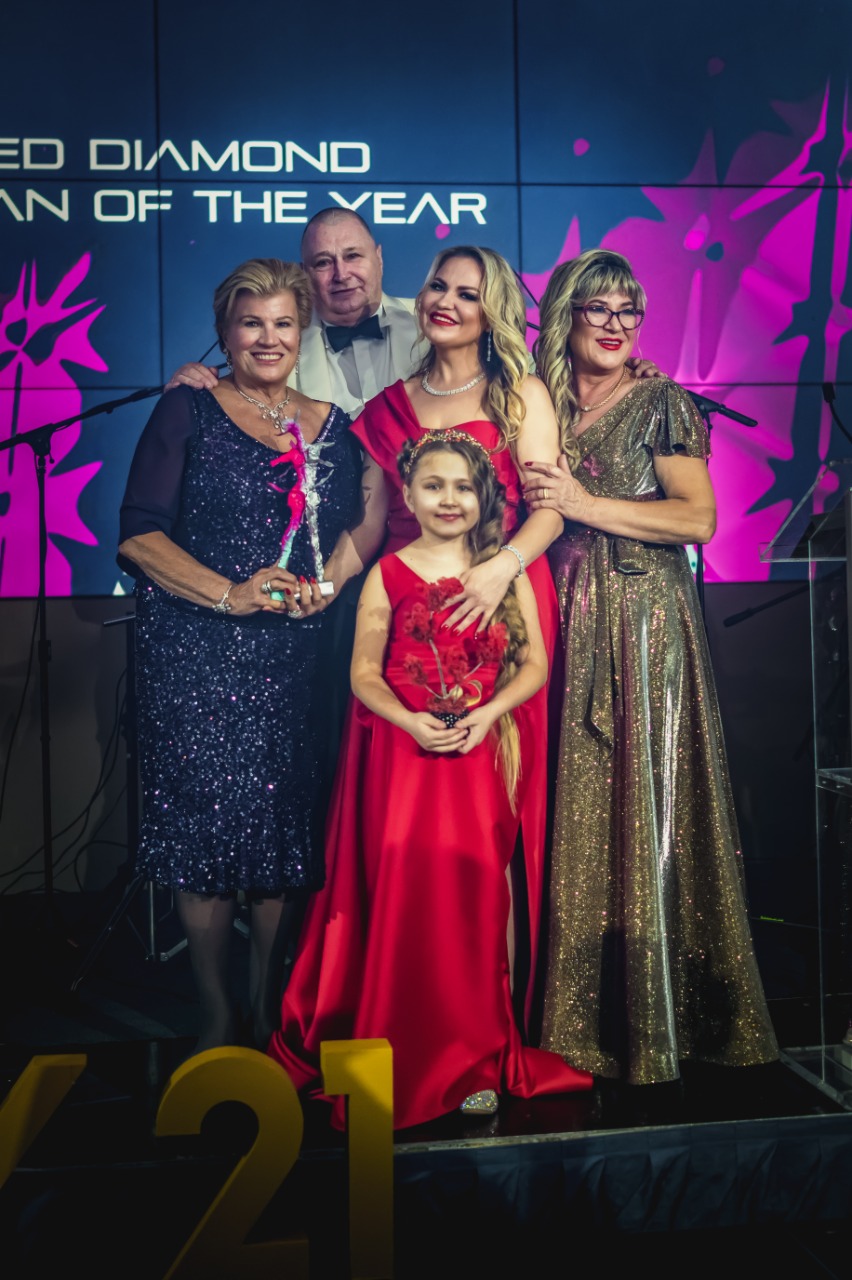
Later, external recognition came too. In 2022 I was honoured with the Red Diamond Award Best Business Lady of the Year, presented to me by the First Lady of Cyprus. That moment symbolised not only the success of the company, but also that the journey had been worthwhile.
What barriers or doubts did you have to overcome?
I never doubted – I always told myself: you can do this. But barriers were real.
The first was informational: there were no ready-made manuals, so I had to piece the system together myself. Even during pregnancy, I worked nights going through licences, reports, payments.
The second was psychological: I had to turn external mistrust into energy. Discipline, composure, and faith helped me. This stage coincided with motherhood, so I quickly learned to balance and close things properly. In the end, those barriers became training in stamina and attention to detail.
Who or what shaped your leadership style most? Did you have mentors or examples?
No mentors – I learned everything myself. But I had plenty of anti-examples. I saw people leading through fear and manipulation and knew this was not for me. My choice is openness, honesty, respect. People need clear goals, feedback, and to feel their work is valued.
My mother had a huge influence, which I am so grateful to her for: her strict upbringing taught me discipline, responsibility, keeping my word. That inner strength carried me through those early years. Today my style combines high standards with support and trust.
Shipping is full of strict rules and heavy responsibility. How do you balance discipline with humanity?
For me, the key is fairness and predictability. In our field, mistakes are too costly – discipline is non-negotiable. But people remain human. I am demanding yet never humiliating. Mistakes are reviewed factually, without labels.
From day one, I tell the team: if something is unclear – ask. We build a comfortable workplace: a new office, support in difficult times, respect for personal boundaries. Still, there is a clear line between a friendly atmosphere and discipline. This balance delivers results: staff feel confident to raise issues early, decisions come faster, and loyalty is built on trust, not fear.
Can you recall a moment when your unconventional or distinctly female perspective made the difference?
At early meetings I was often seen as “just present” – which gave me a chance to observe closely. I picked up on things others missed, often sensing unreliable partners. Sometimes, when my concerns were ignored, the company lost significant sums. Later I was entrusted with the final say, and those losses stopped.
Today, I can visit a foreign office and within hours give a clear “yes” or “no” to cooperation. It is a combination of intuition, experience, and my legal training. My degree in criminology helps me spot inconsistencies in documents and behaviour. For me, a female perspective is not about emotion, but about refined attention – a skill that leads to better decisions.
For you, is leadership more about strategy or being close to people day to day?
You cannot separate leadership from people. Strategy matters, but without a leader’s presence it stays on paper. I believe leaders must help others grow, explain standards, and support when things are tough.
I often say: titles are temporary, ranks are limited – but the way you treat people is remembered forever. Numbers and reports fade, but attitude remains. That is why I combine high demands with human care. It makes strategy real and results sustainable.
Do you have principles you always hold to, regardless of circumstances?
They are three: honesty – speak truth, admit mistakes; loyalty – keep your word to partners, team, yourself; empathy – see the person behind the role.
Some say empathy blocks tough decisions. I disagree: it helps you make them on time, and with respect. I remind myself: at the end of the day, a glass of water is the same for everyone – titles differ, but respect is equally vital. When rules are clear, noise drops, and efficiency rises.
What is the biggest challenge for you now, and how do you handle it?
The main challenge is combining international business with motherhood. I manage hundreds of emails and calls daily, a team of around 800 people – and still want to be present for my daughter. We decided against a driver: the moments when I drive my daughter are precious time for us to connect. I also keep my own balance – three workouts a week, time on stage, dance, creative projects. I sleep little, but discipline and delegation help. In a male environment, I sometimes must be a leader and a psychologist at once. I strive to stay feminine, yet resilient. Faith is my compass – it restores focus and gratitude, even at the hardest times.
What inspires and motivates you most – in work and in life?
My greatest source of inspiration is my daughter. She is always by my side, sometimes joining me at events, helping in small ways. What matters to me is that she has an example: that a woman can embrace leadership, motherhood and creativity all at once.
I also draw strength from life itself – the sunrises and sunsets, the feeling of gratitude for each day. Faith is another pillar; for me, the spiritual dimension is inseparable from business, restoring balance and guiding me forward even in the most demanding moments. All of this together gives me the energy to keep moving, reminding me that for the sake of the future and the people we love, every challenge is worth overcoming.
Looking further ahead, what legacy would you like to leave as a leader and as a person?
I don’t like to talk about “legacy” in advance. What matters is doing the right thing today: working honestly, supporting people, keeping humanity in decisions. If you live this way, the legacy shapes itself – in partners’ trust, employees’ growth, projects that endure.
I believe women can uniquely combine strength with grace, persistence with gentleness, resilience with care. My wish is to show by example: believe in yourself, love yourself, and bring beauty, love, joy and faith into the world.
Interview by Kateryna Bila
#SB100Leaders