

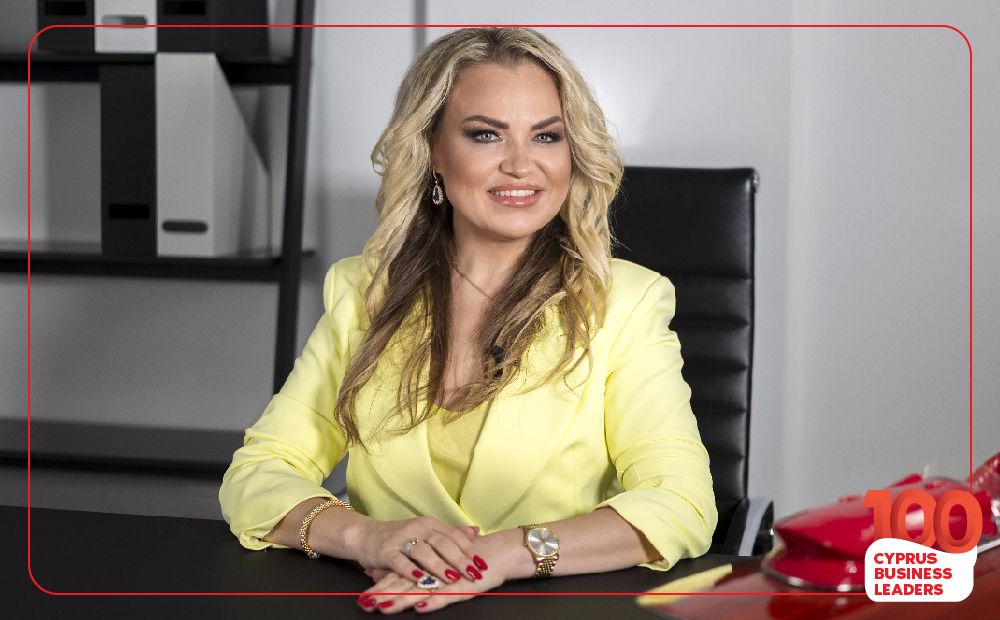
Olesea Ceaicovschi is the CEO of RoMe Maritime, a company specialising in crew management and inland chemical shipping. She entered the maritime industry almost by chance yet quickly proved herself and earned a significant role within it. Her story is one of resilience, faith, and the ability to inspire a team, turning challenges into new opportunities.
Before entering the maritime industry, you had a very different professional background. What was the turning point that made you choose this path?
I never planned a career at sea. Yet the industry was close to me from childhood – in the late 1970s and early 80s my parents worked on ships, sailing the Pacific and Indian Oceans, the Bering, Okhotsk and Japan Seas, reaching Singapore, Australia, Japan and the Far East. It was prestigious at the time and broadened horizons.
My own path was different: studies and work in London, music, dance, writing songs. I came to Cyprus at a friend’s invitation, and in 2012 I met my future husband, a captain. By 2013 I was working in his company as a manager. It was a modest business then, but it grew rapidly to international scale, and my role expanded with it. That was when I realised, I had found my professional place of strength.
What do you remember about those very first steps? What surprised you most in shipping?
At the beginning, there was a lot of scepticism – often from older men. Sometimes it was obvious, other times it came through tone or gesture. I had to endure it. My choice was patience and results: spending nights over documents, studying processes, learning to spot risks.
Another discovery was the exceptionally high standards in our niche, where everything rests on licences, practice, and strict reference checks from previous employers. In chemical shipping the margin for error is almost zero. Those early years became my real school of resilience and precision – qualities without which you cannot move forward.
When did you first feel that people saw you as a leader, not just a manager?
In 2015, about two years into my journey with the company, I noticed the change. By then the business had grown, negotiations became serious, and I was taking decisions that directly determined outcomes. I sensed the shift: people listened, my word carried weight.
It was the moment of responsibility – understanding that every “yes” or “no” held consequences for the team and their future. I had never chased a title for its own sake, but this was when true leadership became real – calm, without grand gestures, but with the awareness that your choices move people forward.
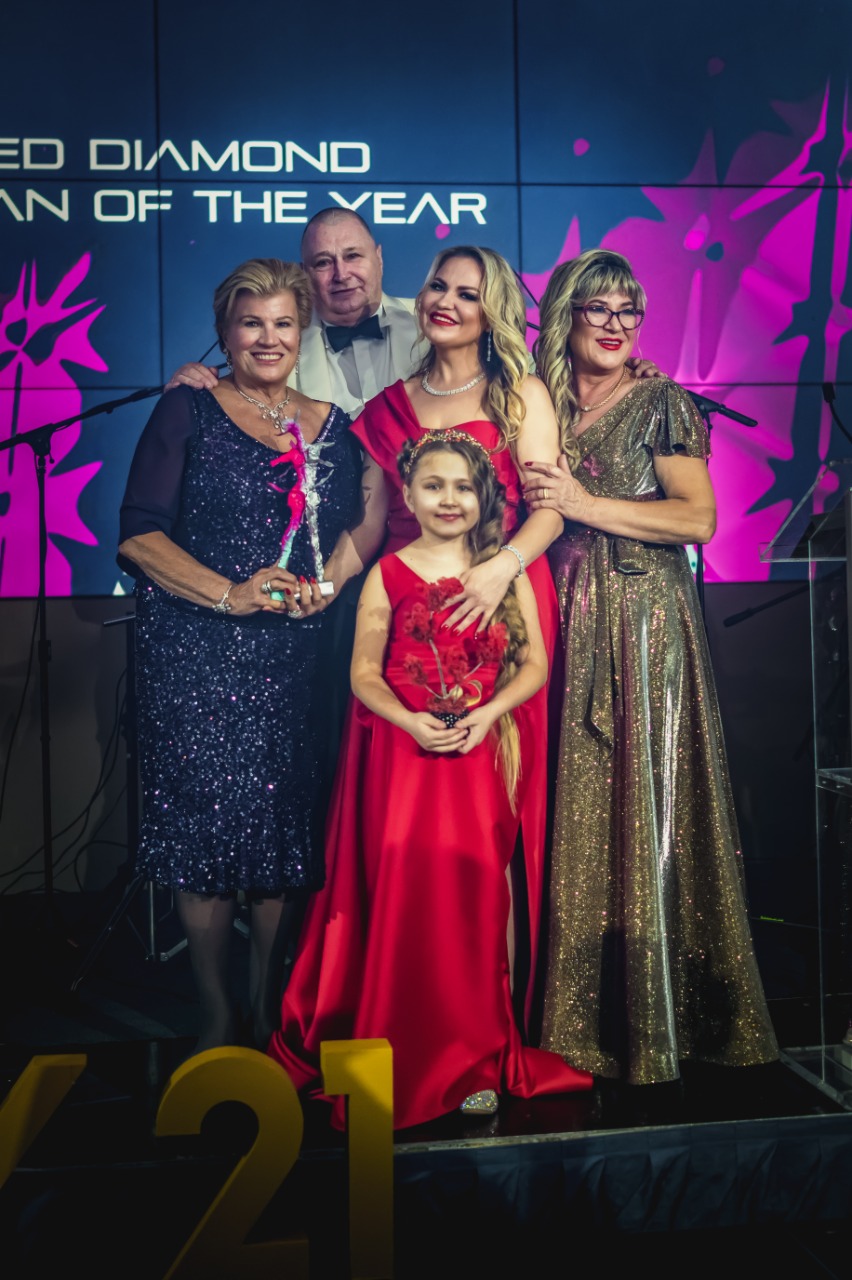
Later, external recognition came too. In 2022 I was honoured with the Red Diamond Award Best Business Lady of the Year, presented to me by the First Lady of Cyprus. That moment symbolised not only the success of the company, but also that the journey had been worthwhile.
What barriers or doubts did you have to overcome?
I never doubted – I always told myself: you can do this. But barriers were real.
The first was informational: there were no ready-made manuals, so I had to piece the system together myself. Even during pregnancy, I worked nights going through licences, reports, payments.
The second was psychological: I had to turn external mistrust into energy. Discipline, composure, and faith helped me. This stage coincided with motherhood, so I quickly learned to balance and close things properly. In the end, those barriers became training in stamina and attention to detail.
Who or what shaped your leadership style most? Did you have mentors or examples?
No mentors – I learned everything myself. But I had plenty of anti-examples. I saw people leading through fear and manipulation and knew this was not for me. My choice is openness, honesty, respect. People need clear goals, feedback, and to feel their work is valued.
My mother had a huge influence, which I am so grateful to her for: her strict upbringing taught me discipline, responsibility, keeping my word. That inner strength carried me through those early years. Today my style combines high standards with support and trust.
Shipping is full of strict rules and heavy responsibility. How do you balance discipline with humanity?
For me, the key is fairness and predictability. In our field, mistakes are too costly – discipline is non-negotiable. But people remain human. I am demanding yet never humiliating. Mistakes are reviewed factually, without labels.
From day one, I tell the team: if something is unclear – ask. We build a comfortable workplace: a new office, support in difficult times, respect for personal boundaries. Still, there is a clear line between a friendly atmosphere and discipline. This balance delivers results: staff feel confident to raise issues early, decisions come faster, and loyalty is built on trust, not fear.
Can you recall a moment when your unconventional or distinctly female perspective made the difference?
At early meetings I was often seen as “just present” – which gave me a chance to observe closely. I picked up on things others missed, often sensing unreliable partners. Sometimes, when my concerns were ignored, the company lost significant sums. Later I was entrusted with the final say, and those losses stopped.
Today, I can visit a foreign office and within hours give a clear “yes” or “no” to cooperation. It is a combination of intuition, experience, and my legal training. My degree in criminology helps me spot inconsistencies in documents and behaviour. For me, a female perspective is not about emotion, but about refined attention – a skill that leads to better decisions.
For you, is leadership more about strategy or being close to people day to day?
You cannot separate leadership from people. Strategy matters, but without a leader’s presence it stays on paper. I believe leaders must help others grow, explain standards, and support when things are tough.
I often say: titles are temporary, ranks are limited – but the way you treat people is remembered forever. Numbers and reports fade, but attitude remains. That is why I combine high demands with human care. It makes strategy real and results sustainable.
Do you have principles you always hold to, regardless of circumstances?
They are three: honesty – speak truth, admit mistakes; loyalty – keep your word to partners, team, yourself; empathy – see the person behind the role.
Some say empathy blocks tough decisions. I disagree: it helps you make them on time, and with respect. I remind myself: at the end of the day, a glass of water is the same for everyone – titles differ, but respect is equally vital. When rules are clear, noise drops, and efficiency rises.
What is the biggest challenge for you now, and how do you handle it?
The main challenge is combining international business with motherhood. I manage hundreds of emails and calls daily, a team of around 800 people – and still want to be present for my daughter. We decided against a driver: the moments when I drive my daughter are precious time for us to connect. I also keep my own balance – three workouts a week, time on stage, dance, creative projects. I sleep little, but discipline and delegation help. In a male environment, I sometimes must be a leader and a psychologist at once. I strive to stay feminine, yet resilient. Faith is my compass – it restores focus and gratitude, even at the hardest times.
What inspires and motivates you most – in work and in life?
My greatest source of inspiration is my daughter. She is always by my side, sometimes joining me at events, helping in small ways. What matters to me is that she has an example: that a woman can embrace leadership, motherhood and creativity all at once.
I also draw strength from life itself – the sunrises and sunsets, the feeling of gratitude for each day. Faith is another pillar; for me, the spiritual dimension is inseparable from business, restoring balance and guiding me forward even in the most demanding moments. All of this together gives me the energy to keep moving, reminding me that for the sake of the future and the people we love, every challenge is worth overcoming.
Looking further ahead, what legacy would you like to leave as a leader and as a person?
I don’t like to talk about “legacy” in advance. What matters is doing the right thing today: working honestly, supporting people, keeping humanity in decisions. If you live this way, the legacy shapes itself – in partners’ trust, employees’ growth, projects that endure.
I believe women can uniquely combine strength with grace, persistence with gentleness, resilience with care. My wish is to show by example: believe in yourself, love yourself, and bring beauty, love, joy and faith into the world.
Interview by Kateryna Bila
#SB100Leaders