Министр финансов Константинос Петридис призывает Правительство Кипра критически относиться к рекомендациям парламентариев, предлагающих повышать расходы при падении доходов.
Выступая 14 апреля перед журналистами телеканала Sigma, Константинос Петридис охарактеризовал текущую финансовую ситуацию на Кипре. «Мы уже второй месяц живем в реальности перманентного роста стоимости товаров первой необходимости, причем роста настолько интенсивного, который в последний раз происходил в Европе в 70-е годы прошлого столетия. Текущий уровень инфляции похож на невидимого вора, опустошающего наши сбережения и доходы», — сказал министр финансов.
Когда доходы падают, нельзя увеличивать расходы
Константинос Петридис напомнил об ответственности власти перед гражданами. «Представители партий призывают правительство компенсировать последствия инфляции за счет субсидий и иной материальной помощи. Очевидно, что эти призывы депутатов раздаются не только по причине падения доходов граждан. Уже скоро стартует президентская гонка, и в преддверии выборов принято много обещать и делать подарки. Но такие решения должны быть крайне взвешенны. Невозможно увеличивать государственные расходы в период падения доходной части бюджета. Мне, как министру финансов, придется отвечать за последствия подобных решений», — добавил Константинос Петридис.
Кредитомания жителей Кипра
В заключение своей речи министр финансов рассказал о порочной практике потребительского кредитования. «Безудержное желание иметь все и сразу подталкивало наших граждан, в особенности молодежь, брать кредиты. Специалисты уже назвали этот феномен психологической зависимостью, которая сродни алкоголизму или игромании. В результате повсеместного использования потребительского беззалогового кредитования, страна оказалась под воздействием видимости искусственного процветания. В результате мы имеем огромный балласт проблемных кредитов и низкий кредитный инвестиционный рейтинг. За наши ошибки придется расплачиваться следующему поколению», — сообщил министр финансов.

Рейтинговое агентство DBRS Morningstar в апреле 2022 г. повысило кредитный рейтинг Кипра с BBB (низкий) до BBB (инвестиционный), а также пересмотрело прогноз с позитивного на стабильный.
Кроме агентства DBRS кредитный рейтинг Кипра оценивается на инвестиционном уровне и такими агентствами, как Standard & Poor's (S&P) и Fitch Ratings. «Повышение рейтинга отражает высокие показатели экономики и государственных финансов страны в течение 2021 года. Мы ожидаем, что несмотря на риски, среднесрочные условия будут по-прежнему поддерживать усилия Кипра по сокращению долга. Кипрская экономика превысила уровень реального ВВП в течение 2021 года, несмотря на лишь частичное восстановление туристического сектора», — говорится в отчете агентства.
Сокращение дефицита бюджета и проблемных активов
Кроме того, агентство отметило, что дефицит бюджета в 2020 г. снизился c 5,6% до 1,8% ВВП, чему способствовал рост доходов. На конец октября 2021 г. суммарный объем проблемных кредитов (NPL) составил — 4,25 млрд. евро. Это в шесть раз меньше, чем в октябре 2014 г. Таких показателей удалось добиться благодаря инициативам по борьбе с NPL самих банков. В 2021 г. показатель NPL сократился до — 15,3%. В 2014 г. этот показатель был на уровне — 47,8%. Тем не менее, это высокий уровень по сравнению со средним показателем по еврозоне — 3%.
Moody’s оценивает Кипр на «мусорном» уровне
Агентство Moody's продолжает оценивать рейтинг Кипра на два уровня ниже от инвестиционного. По мнению агентства очень высокий консолидированный долг частного сектора Кипра — это самое слабое место экономики страны. Moody’s считает, что инвесторы должны быть осторожны, вкладывая деньги в кипрскую экономику. «Принимая во внимание пакеты поддержки, а также снижение доходов от экономического шока за период пандемии, мы прогнозируем снижение дефицита бюджета в 2022 году. Снижение дефицита бюджета и сокращение денежных резервов, накопленных в 2021 г., позволят государственному долгу сокращаться более быстрыми темпами. Возможно, мы пересмотрим кредитный рейтинг Кипра после первого полугодия 2022 года», — заявили эксперты Moody's.

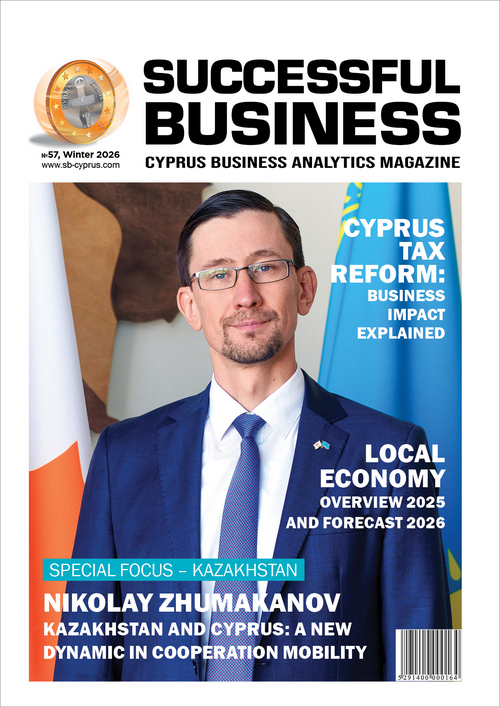
В свежем выпуске журнала «Успешный бизнес» вы увидите сразу две интересные цифры – 11 и 44. В апреле 2022 изданию исполнилось 11 лет, сейчас вышел в свет 44 выпуск.
На протяжении 11 лет в ежедневном режиме редакция «Успешного бизнеса» снабжает русскоговорящее бизнес-сообщество Кипра местными деловыми новостями. Их можно прочесть на сайте www.sb-cyprus.com. Бумажный выпуск журнала выходит ежеквартально. Для него специально готовятся аналитические статьи, справочные материалы и огромное количество инфографики и статистических данных.
Обратите внимание на статьи наших постоянных авторов Филиппа Аммермана и Владимира Изотова, которые все эти годы готовят для журнала качественный анализ финансово-экономической и политической повестки, связанной с Кипром. В этот раз Филипп анализирует возможности и перспективы Кипра в посткризисный период, а Владимир рассказывает о месте Кипра в «Зеленой экономике» Европейского союза.
Тема энергетики, кстати, стала одной из основных тем этого выпуска. Подробнейший обзор подготовлен одним из лучших кипрских экспертов: Костас Иоанну в разные годы возглавлял Кипрскую электрическую компанию, Управление по энергетике Кипра, Кипрскую газовую компанию. Кто, как не он, может знать все нюансы энергетического рынка Республики Кипр.
Интервью с председателем Кипрской комиссии по ценным бумагам и биржам открывает раздел журнала, посвященный современным финансовым технологиям и цифровизации в целом.
Европейская комиссия определила цифровую трансформацию экономики и общества в качестве стратегического приоритета развития Европы. «Успешный бизнес» анализирует то, как Кипр справляется с технологическими вызовами и как привлекает высококлассных специалистов.
Завершает выпуск подробный обзор рынка недвижимости Кипра, подготовленный компанией PwC Cyprus. Начиная с ключевых финансовых показателей, заканчивая конкретными фактами по поводу строительства, продажи, аренды недвижимого имущества, аналитики одной из ведущих консалтинговых компаний Кипра рисуют общую картину в секторе, составляющем 16% валовой добавочной стоимости в экономике страны.
Наталия Кардаш
Издатель, главный редактор
Пдф-версия журнала доступна по ссылке в разделе «Архив».

Две ведущие оппозиционные партии Кипра (АКЕЛ и ДИКО) пока не могут выбрать единого кандидата на президентские выборы 2023 г.
«Мы сожалеем, что после многомесячных обсуждений пока не можем определиться с кандидатурой. Мы поручили председателю нашей партии Николаса Пападопулоса и секретариат ДИКО продолжать консультации с АКЕЛ и независимыми кандидатами», — говорится в заявлении ДИКО. Учитывая тот факт, что ДИКО упомянула независимых кандидатов, есть мнение, что такую поддержку может получить экс-глава кипрского МИДа Никос Христодулидис, который ещё официально не выдвигал своей кандидатуры на предстоящие выборы.
Второй возможный кандидат
Другим независимым кандидатом в президенты может стать Ахиллеас Димитриадис. Он адвокат, сын самого известного мэра Никосии Леллоса Димитриадиса, который 30 (!) лет был мэром столицы Кипра (1971-2001) и ушел из жизни совсем недавно, 9 апреля 2022 года.
Диси определились
В свою очередь, находящаяся у власти более девяти лет партия ДИСИ уже определилась с кандидатом в президенты, им стал лидер этой партии Авероф Неофиту. Действующий Президент Кипра Никос Анастасиадис, отметивший свое 75-летие в сентябре 2021 г., официально заявил, что уйдет из политики по завершении второго пятилетнего президентского срока.

Президент Кипра Никос Анастасиадис принял верительные грамоты от новых иностранных послов. Среди них – послы Албании, Анголы, Исландии, Мавритании, Алжира, Марокко, Филиппин, верховные комиссары Бангладеш, Сьерра-Леоне, Барбадоса.
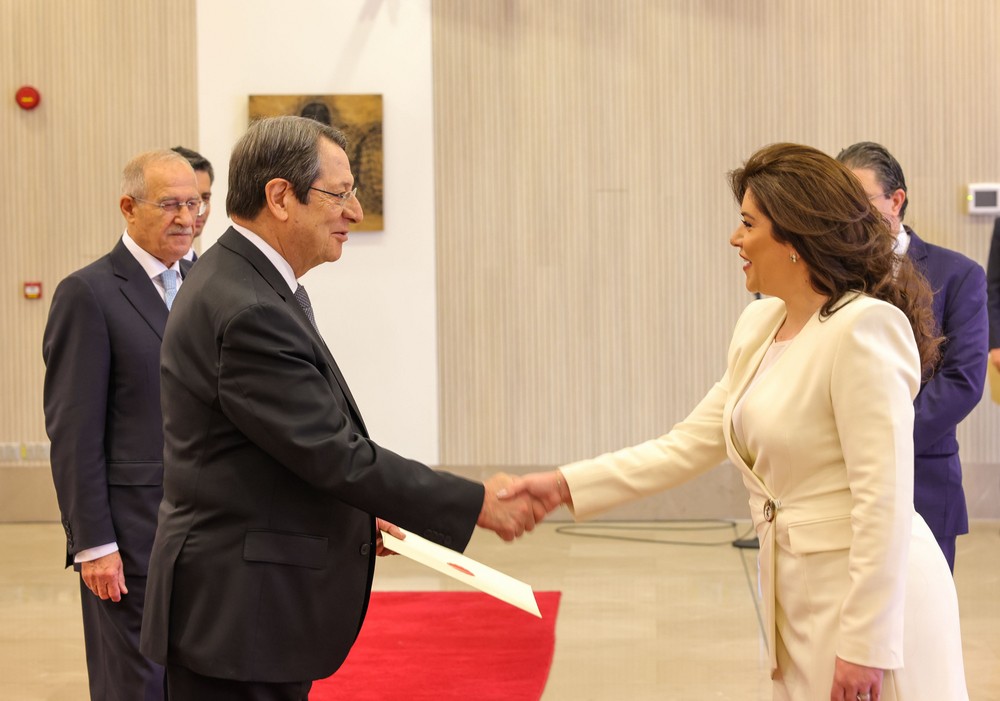
Президент Республики Кипр Никос Анастасиадис принимает верительные грамоты нового посла Албании Луэлы Хайдараги (Luela Hajdaraga).

Президент Республики Кипр Никос Анастасиадис принимает верительные грамоты нового посла Анголы Марии де Фатимы Монтейру Жардим (Maria De Fatima Monteiro Jardim).
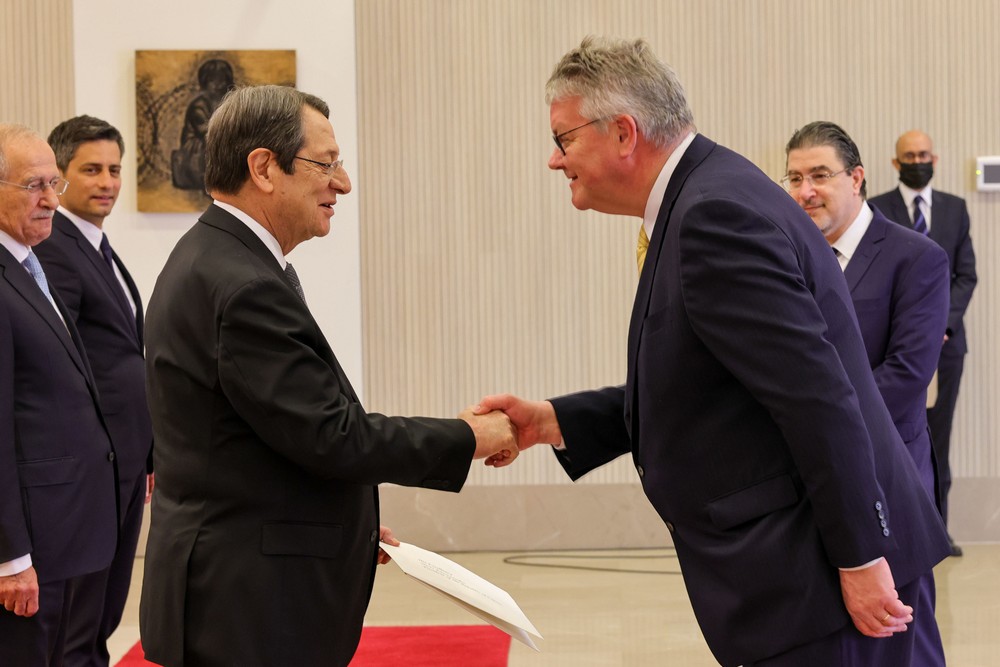
Президент Республики Кипр Никос Анастасиадис принимает верительные грамоты нового посла Исландии Ханнеса Хеймиссона (Hannes Heimisson).
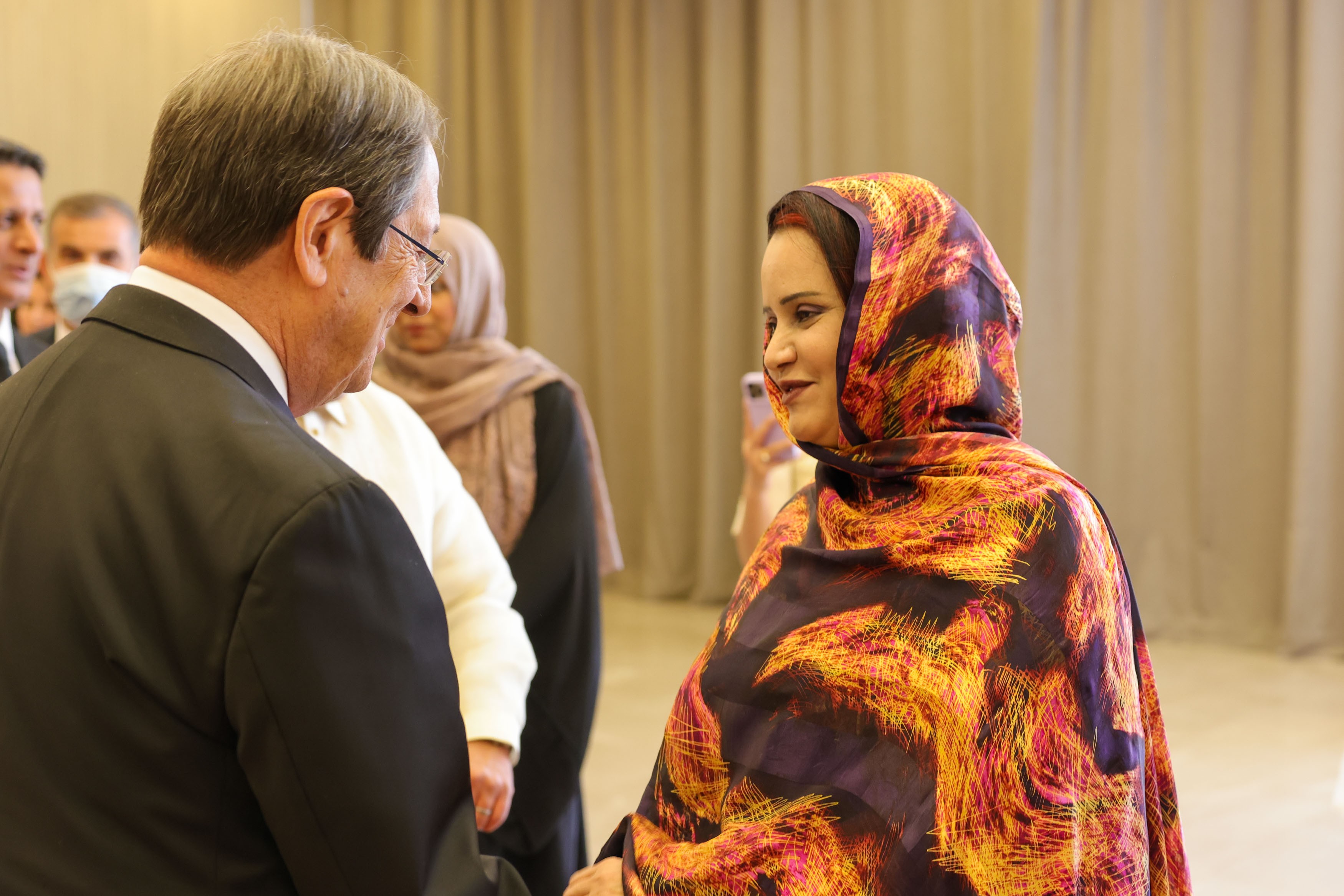
Президент Республики Кипр Никос Анастасиадис принимает верительные грамоты нового посла Мавритании Эли Салем Зей (Ely Salem Zei).
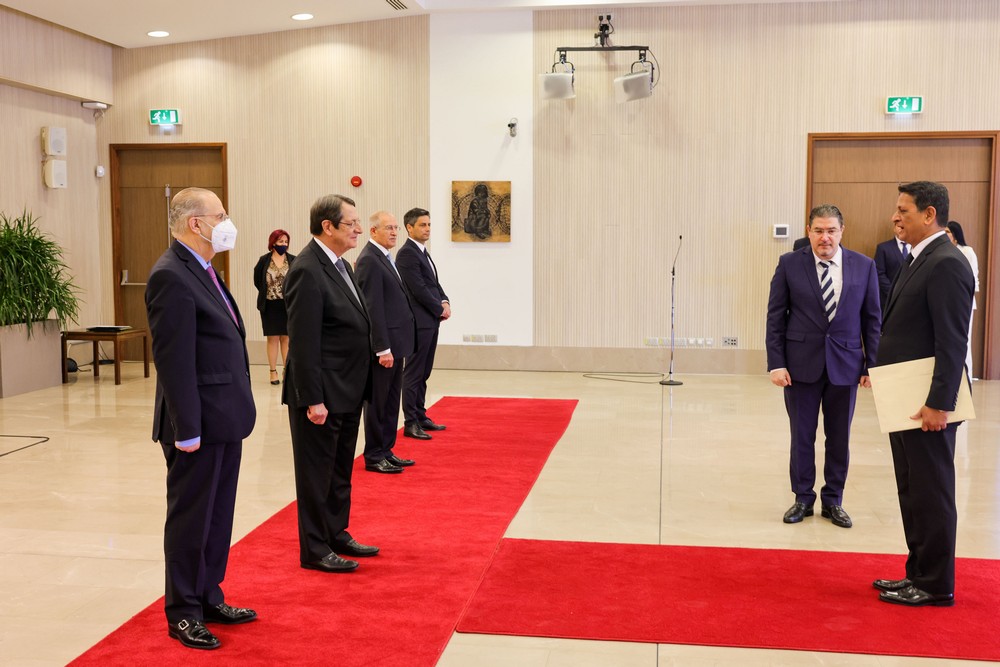
Президент Республики Кипр Никос Анастасиадис принимает верительные грамоты нового Верховного комиссара Бангладеш генерал-майора Джахангира Аль Мустахидура Рахмана (Jahangir Al Mustahidur Rahman).
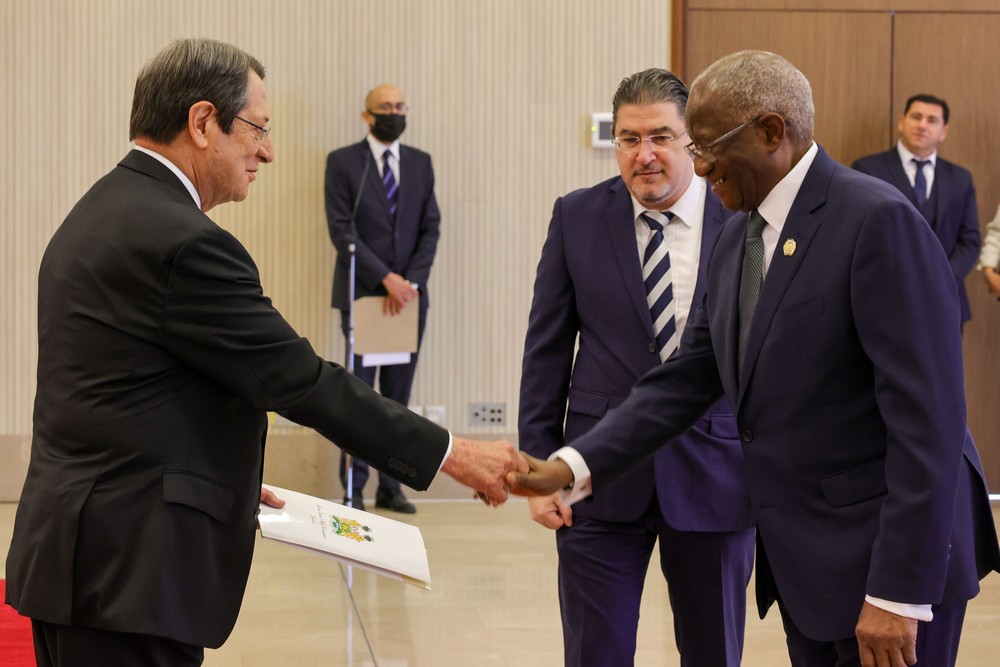
Президент Республики Кипр Никос Анастасиадис принимает верительные грамоты нового Верховного комиссара Сьерра-Леоне Мори Комба Манье (Morie Komba Manyeh).
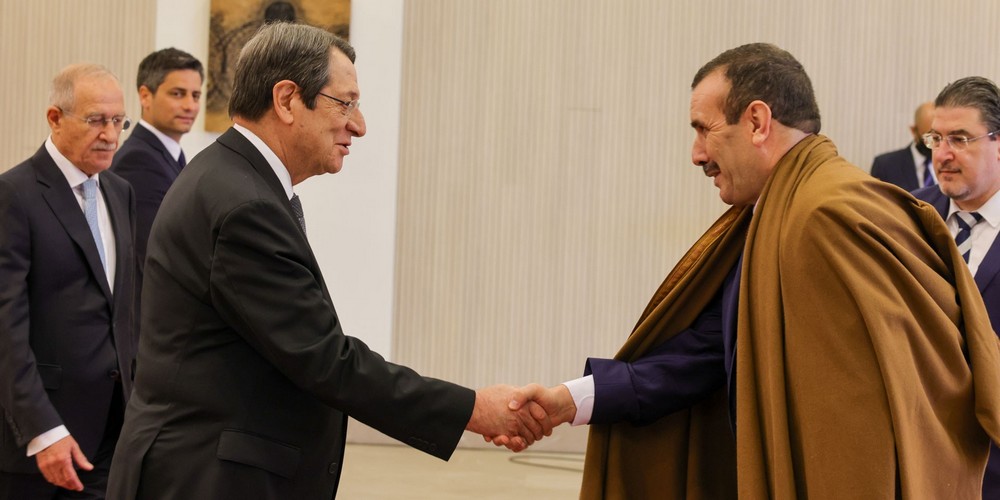
Президент Республики Кипр Никос Анастасиадис принимает верительные грамоты нового посла нового посла Алжира Абделькрима Рекаиби (Abdelkrim Rekaibi).
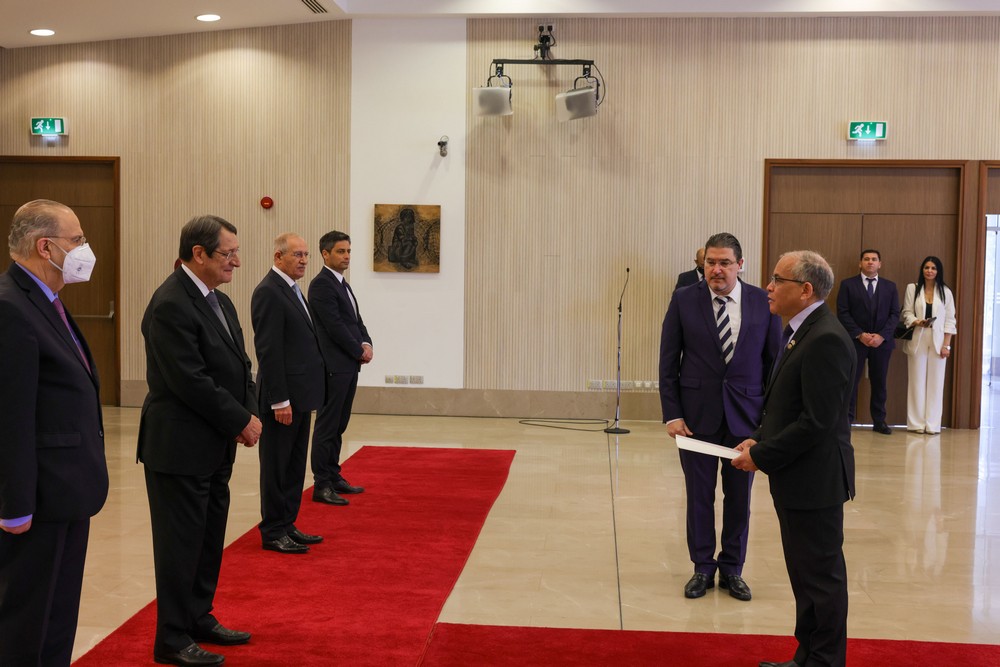
Президент Республики Кипр Никос Анастасиадис принимает верительные грамоты нового Верховного комиссара Барбадоса Милтона Артура Иннисса (Milton Arthur Inniss).
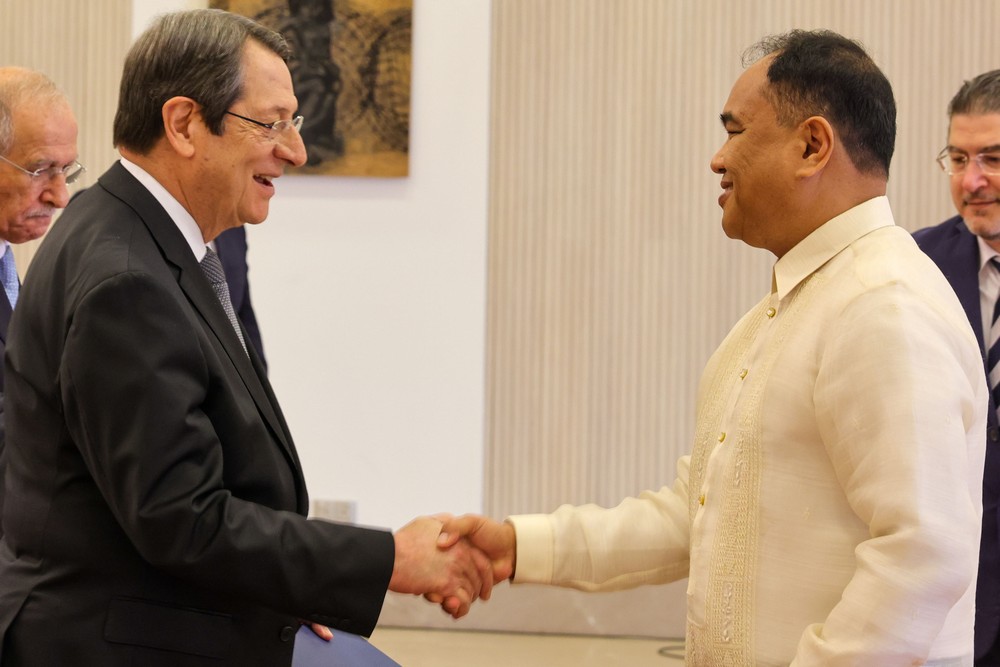
Президент Республики Кипр Никос Анастасиадис принимает верительные грамоты нового посла Филиппин Джованни Э. Палека (Giovanni E. Palec).
Фото PIO

В 2022 году новый веб-портал gov.cy заменит веб-сайт Ariadni, который пока является частью электронного Правительства Кипра и предлагает интерактивный диалог между пользователями и органами государственной власти.
Портал gov.cy развивается под лозунгом «Все государственные услуги ― на одном экране». Уже к лету 2022 г. на портале можно будет заказать какие-то услуги, а к концу 2022 года gov.cy начнет работать в полную силу. Например, там можно будет подать заявления на пособия по болезни и безработице, на выплату пособий по потере кормильца и так далее. Подача заявлений на более чем 80 видов государственных услуг полностью перейдет в онлайн-формат. «В течение года мы представим жителям новую версию портала gov.cy, на котором будут собраны и распределены по темам все услуги. Одновременно с этим мы ставим себе цель модернизировать уровень обслуживания, сделав его быстрее, безопаснее и удобнее», ― сказал руководитель Подминистерства исследований, инноваций и цифровой политики Кипра Кирьякос Коккинос.
Про Ariadni
В настоящий момент, для того, чтобы начать пользоваться электронными госуслугами, физическим и юридическим лицам необходимо зарегистрироваться на Ariadni . Для этого требуется заполнить онлайн-форму, в которой указываются: ФИО, логин, пароль, электронный адрес, контрольный вопрос и ответ на него. Далее, необходимо активировать свой аккаунт с помощью ссылки, которая придет на указанный пользователем электронный адрес. Последний этап регистрации ― идентификация одним из двух способов: первый ― через кипрский банк посредством подтверждения личности через онлайн-банкинг; второй ― через посещение Центра обслуживания граждан с документом удостоверяющим личность и с личным цифровым кодом, полученным по электронной почте.
Услуги на Ariadni
На веб-портале доступны услуги по следующим направлениям:
― полиция Кипра (подача заявки на участие в письменном экзамене для замещения вакантных должностей);
― Министерство обороны (регистрация новобранцев);
― регистрация учащихся кипрских школ;
― участие в конкурсе на вакантную должность на госслужбе;
― сектор виноградарства и виноделия (заявки от виноградарей и виноделов об остатках производства или о благоустройстве виноградников);
― Верховный суд (подача исков в рамках системы электронного правосудия);
― гранты и пособия (подача заявок на выплату пенсий, пособий на ребенка, больничных);
― онлайн-услуги для компаний (подача заявки на утверждение названия для компании);
― строительство и инженерия (система сертификации энергетической эффективности зданий);
― земля и недвижимое имущество (расчет пошлины для разрешений на строительство, информация о планировочных разрешениях, отслеживание заявок, интерактивные карты и многое другое);
― судоходство (регистрация судов, оплата пошлин, система налогообложения тоннажа судов);
― занятость (получение состояния социальных выплат за все годы или за конкретный год);
― пенсии (расчет пенсии по возрасту);
― налогообложение (НДС, оплата налоговой задолженности в рассрочку);
― таможня (статус транспортной документации);
― сельское хозяйство (регистрация фермеров, заявка на оборудование по опрыскиванию урожая);
― Департамент регистрации и миграции (смена персональных данных и почтового адреса, повторная выдача свидетельства о рождении, обновление книжки избирателя);
― актуальные цены на топливо;
― регистрация торговых марок.

По информации издания «Филелефтерос», власти Кипра намерены лишить гражданства четырех российских предпринимателей.
В списке на лишение гражданства значились имена 21 обладателя «золотого паспорта» Кипра, в их числе четыре россиянина, фигурирующие, как «олигархи» в санкционных списках ЕС, а также члены их семей. По ссылке вы можете прочитать оригинал статьи, где называются имена и фамилии россиян. Как комментирует событие кипрское СМИ, решение об изъятии паспортов было принято Кабинетом министров Кипра на основании статьи 113 Закона о хранении данных граждан, включающей положения о причинах потери или лишения гражданства.
Кипр проявил инициативу
7 апреля 2022 года президент Кипра Никос Анастасиадис уполномочил главу МВД Никоса Нуриса начать процедуру лишения гражданства четырех из 850 россиян, находящихся в санкционных списках Евросоюза. На тот момент Никос Анастасиадис не называл имен, но сказал, что остальные 846 фигурантов списка не имеют кипрских паспортов.
Скандалы, связанные с выдачей паспортов
В августе 2020 г. телеканал «Аль-Джазира» провел информационную кампанию, обвиняя власти в злоупотреблении программой «золотых паспортов» и предоставлении гражданства лицам с сомнительной репутацией. В результате скандала ушел в отставку председатель Парламента Республики Кипр Димитрис Силлурис. Он обещал посодействовать осужденному китайскому инвестору в получении кипрского гражданства. Сюжет вышел в эфир 12 октября 2020 г., а уже 13 октября, после просмотра разоблачающего фильма, Кабинет министров принял решение аннулировать программу «золотых паспортов». Прием новых заявлений прекращен с 1 ноября 2020 года.
В статье использованы материалы из газеты «Филелефтерос».

По информации Министерства труда, по данным за 2020 г., на Кипре проживают 160 746 пенсионеров, размер пенсионных выплат которым колеблется от 710 до 2 487 евро. В 2020 году бюджету страны содержание пенсионеров обошлось в 1,45 млрд евро.
Согласно данным за июнь 2021 года, самая высокая ежемесячная пенсия с одним членом семьи на иждивении составила 2 487 евро. Пенсионер-инвалид с тремя членами семьи на иждивении получал 2 173 евро. Вдова с двумя иждивенцами получала 1 876 евро. Точное количество жителей с такими высокими пенсиями неизвестно. В 2020 году максимальный размер пенсии составлял 2 461 евро, пенсии по инвалидности ― 2 144 евро, пенсии по вдовству ― 1 847 евро. В 2019 году максимальный размер пенсии был зафиксирован на уровне ― 2 442 евро. При этом средний месячный заработок на Кипре в 2021 году составлял — 1 477 евро, не учитывая более высокие зарплаты в государственном секторе.
Количество пенсионеров растет
Общее число тех, кто получает государственную поддержку, растет. В 2019 году 157 385 человек получали пенсионное обеспечение. Выплаты обошлись бюджету — 1,4 млрд евро. В 2020 количество пенсионеров увеличилось до 160 746, из них 122 803 получали пенсию по старости (общий объем выплат ― 1,17 млрд евро), 37 000 ― пенсию по нетрудоспособности (34,4 млн евро), 1 121 ― пенсию по сиротству (3,3 млн евро), 836 ― пенсию по инвалидности (4,3 млн евро), 145 ― пенсию, как члены семьи пропавшего без вести (750 000 евро). Данные за 2021 г. пока не опубликованы.
В декабре 2020 года правительство заявило, что ни один пенсионер не будет получать меньше 710 евро в месяц, и никто не будет находиться «за чертой бедности».
Бюджет Кипра и пенсии
В декабре 2021 года Парламент Кипра утвердил бюджет на 2022 г. Среди 25 депутатов, отклонивших бюджет в первоначальном варианте были представители АКЕЛ, ЭДЭК, ЭЛАМ и партия «зеленых». Дебаты длились несколько дней, и, в итоге, оппозиции удалось добиться принятия Парламентом более половины из 96 предложенных поправок к первоначальному бюджету, который был внесен в Палату представителей Правительством Кипра, сформированным ДИСИ. Доходная часть бюджета Кипра на 2022 год составила 9,7 млрд евро. Расходная часть ― 9,9 млрд евро. Таким образом, пенсионные выплаты в 2022 г., при условии не существенного роста количества пенсионеров, составят около 15% расходной части бюджета.

Есть выражение: «Успех – от слова успеть». Это тот принцип, которым руководствуется Одиссей Меликидис – генеральный директор и основатель группы компаний M. Target, задуманной и функционирующей как «One-Stop Shop», т.е. предоставляющей в режиме «единого окна» весь спектр услуг для владельцев кипрского и международного бизнеса и частных лиц с высоким уровнем дохода.
Одиссей, расскажите, как давно Вы живете и ведете бизнес на Кипре?
Я родился в Тбилиси, еще в школьном возрасте по программе репатриации переехал с семьей в Грецию, там же закончил школу и вуз – экономический факультет университета Македонии в городе Салоники. На Кипре живу более 20 лет. Именно здесь начиналось мое профессиональное становление, и были пройдены все ключевые этапы – от работы помощником бухгалтера до должности главного бухгалтера в крупных международных компаниях. Тогда же я получил неоценимый опыт в основных сферах, связанных с финансовым аспектом ведения бизнеса, таких как бухучет, финансовый аудит и налогообложение, плюс на практике освоил корпоративные процессы, от открытия и администрирования до ликвидации компаний.
С чего начинался Ваш частный бизнес?
В 2014 году была основана моя первая компания, M. Target Business Consultants Ltd, предоставляющая, на тот момент, бухгалтерские и консалтинговые услуги, и ставшая тем ядром, вокруг которого сформировалась впоследствии M. Target Group.
Поскольку ни особых связей, ни начального капитала у меня не было, начинать пришлось буквально с нуля, работая 7 дней в неделю по 18 часов в сутки. Поначалу на мне было все – и бизнес-планирование, и работа с клиентами, и собственно бухгалтерская работа. Через три месяца интенсивной работы я нанял первого помощника, а к концу следующего года со мной работало уже четыре человека и можно было осторожно констатировать первые успехи.
Перечислите, какие услуги сейчас предоставляет ваша группа.
Компании нашей группы предлагают полный спектр профессиональных услуг: от регистрации и администрирования компаний до бухгалтерского сопровождения, предоставления обслуживаемых офисов, консалтинга по налоговым вопросам и так далее. Наша основная специализация – это помощь в структурировании бизнеса, налоговая оптимизация, смена налоговой юрисдикции и реструктуризация бизнеса. Также у нас есть лицензия CySEC (Кипрской комиссии по ценным бумагам и биржам), которая позволяет нам предоставлять как административные услуги, так и услуги доверительного характера.
Помимо открытия компаний на Кипре, мы оказываем содействие в релокации компаний и их сотрудников из других стран, помогаем при адаптации к местным условиям, например, в поиске жилья для персонала, решении иммиграционных вопросов и открытии банковских счетов. Наша цель в том, чтобы бизнес клиентов работал эффективно.
Ту же самую работу мы делаем и в Дубае. Мы работаем там уже давно, но в этом году значительно вырос интерес к открытию бизнеса в ОАЭ. Я теперь там часто бываю, чтобы наладить ещё более эффективное взаимодействие между нашими офисами в Лимассоле и Дубае.
Одиссей, а кто Ваши клиенты? Из каких стран в основном приезжают бизнесмены с задачей релокации компании?
Мы работаем в основном с русскоязычными клиентами постсоветского пространства. Это Россия, Украина, Белоруссия, Казахстан. Около 20% клиентов – из Европы: Италия, Испания, Германии, Голландия, есть у нас и несколько серьезных клиентов из Израиля. Есть проекты международного уровня, когда вовлечены сразу несколько стран.
А какие сферы бизнеса представлены?
Наш принцип – работать с небольшим количеством крупных компаний и интересных стартапов из разных отраслей, чтобы иметь возможность качественно консультировать клиентов. Мы ориентированы на международный бизнес, среди наших клиентов телекомпании, IT-компании, международные авиалинии и туроператоры, крупные агропромышленные и фармацевтические холдинги, девелоперские и строительные фирмы.
В чем преимущества Вашей компании?
Мы не типичная кипрская компания. У нас все услуги в одном окне – one stop shop. Мы избегаем шаблонного подхода, рассматривая индивидуально каждого клиента, и работаем без агентов.
На практике чаще всего есть агент, он находит кипрского юриста, тот – налогового консультанта или бухгалтера. Это влияет на качество доверительных отношений с клиентом, конфиденциальность, оперативность и конечную стоимость услуг: она становится выше. А мы все эти услуги предоставляем сами и напрямую работаем с клиентами.
Также наш коллектив состоит из молодых и перспективных специалистов, каждый из которых является профессионалом в своей области. Средний возраст сотрудников M. Target Group 30-35 лет, и у нас много энергии для наших клиентов!

41 Misiaouli & Kavazoglou St., 2nd floor, Office 201, 3016 Limassol, Cyprus
Tel.: +357 25 871414
WhatsApp, Viber: +357 96 636626
mtargetgroup.com
На фоне последнего удара со стороны США по планам развития газовой промышленности в Восточном Средиземноморье участники Соглашения по строительству EastMed ищут способы диверсификации поставок природного газа и электроэнергии.
11 апреля 2022 г. на трехстороннем саммите в Иерусалиме министры энергетики Кипра, Греции и Израиля обсудили вопросы энергобезопасности. В частности, была рассмотрена возможность строительства нового терминала СПГ на Кипре на мощностях Египта, для последующей транспортировки сжиженного природного газа на европейские рынки. Министры еще раз обсудили перспективы газопровода EastMed, который, как планировалось, должен был соединить месторождения «Левиафан» и «Афродита» с континентальной Грецией, и, в будущем, с Италией, обеспечивая регулярные поставки природного газа в Европу. Кроме этого, были исследованы детали еще одного перспективного проекта, соединяющего энергосистемы стран с помощью подводного электрического кабеля (EuroAsia), на реализацию которого уже получен первый транш финансовой помощи от ЕС.
Перспективы EastMed
В январе 2022 г. США уведомили Грецию, Кипр и Израиль, что не поддержат проект по нескольким причинам, среди которых — экономическая нецелесообразность и протесты со стороны Турции. Последний удар по планам развития кипрской газовой промышленности и обеспечения европейцев голубым топливом с помощью трубопровода EastMed нанесла заместитель госсекретаря США по политическим вопросам Виктория Нуланд. 7 апреля 2022 г. на встрече с президентом Никосом Анастасиадисом высокопоставленный чиновник из США назвала проект трубопровода EastMed дорогостоящим и нежизнеспособным, приводя аргументы в пользу альтернативных решений. «Идея состоит в том, чтобы построить длинный трубопровод на большой глубине. Реализация проекта может затянуться на десять лет и более. Это будет слишком дорого и экономически нецелесообразно. Важно как можно быстрее уменьшать зависимость региона от нефти, газа, других ископаемых энергоресурсов и переходить на альтернативные возобновляемые источники энергии», — сказала Виктория Нуланд.
EuroAsia
26 января 2022 г. руководство ЕС приняло решение выделить субсидию в размере 657 млн. евро на реализацию трансграничного энергетического проекта EuroAsia Interconnector, который положит конец энергетической изоляции Кипра. EuroAsia Interconnector - это кипрско-греческий проект, один из пяти трансграничных проектов с общим бюджетом в 1.37 млрд евро, одобренных в рамках программы «Объединяя Европу». Решение Брюсселя было принято после тщательных проверок, и по итогам нескольких исследований, проведенных будущим подрядчиком. Однако стоит отметить, что выделенная сумма покрывает только треть всего бюджета. Подрядчик намерен взять оставшуюся сумму в кредит в Европейском инвестиционном банке или в других кредитных организациях. Ранее проект уже был включен в перечень общественно важных европейских инициатив, а на исследования его эффективности потратили около 14 млн евро. Правительство Кипра готово выделить на EuroAsia Interconnector 100 млн евро, которые оно получит в рамках «Плана восстановления и устойчивости».
Терминал СПГ на Кипре
Министры рассмотрели возможность транспортировки сжиженного газа судами на европейские рынки с использованием имеющихся в Египте мощностей. Кроме этого, в кратчайшие сроки будет проработан вопрос о строительстве терминала СПГ на Кипре для преобразования сжиженного газа в газообразное, и последующей доставке готового продукта потребителям. «Проект принесет ощутимую пользу нашим странам, региону в целом и Европе. Мы укрепим энергетическую безопасность и сотрудничество со стратегическими партнерами», — сказал министр окружающей среды и энергетики Греции Костас Скрекас.