Кипрский налоговый департамент вновь смягчил требования к подаче отчетности за 2023 налоговый год. Компаниям и ряду физических лиц фактически предоставлен дополнительный месяц, в течение которого можно подать декларации без риска штрафов – до 30 апреля 2026 года. Это решение стало очередным этапом в серии переносов сроков и, по сути, финальным «окном» для завершения отчетной кампании.
Что именно продлено
Речь идет о подаче декларации по налогу на доход компаний, а также деклараций физических лиц, обязанных готовить аудированную или обзорную финансовую отчетность. Продление касается и тех налогоплательщиков, которые должны подавать Summary Information Table (SIT) по контролируемым сделкам, и тех, у кого такой обязанности нет.
При этом важно понимать: речь идет не о новом законодательном переносе срока, а об административном послаблении. Формально установленный дедлайн уже был продлен ранее – до 31 марта 2026 года. Новое решение означает, что в течение апреля налоговые органы не будут применять штрафы за просрочку.
История вопроса: серия переносов
Сроки подачи отчетности за 2023 год пересматривались несколько раз. Сначала налоговый департамент временно отказался от штрафов до середины 2025 года, затем этот период был продлен до ноября. В конце 2025 года власти закрепили новый официальный дедлайн – 31 марта 2026 года.
Текущая отсрочка до 30 апреля выглядит как завершающий шаг, направленный на то, чтобы дать бизнесу возможность окончательно закрыть обязательства без дополнительной регуляторной нагрузки.
Почему это важно для бизнеса
Для компаний и бухгалтерских служб это решение снижает операционное давление в период высокой загрузки. Особенно это актуально для организаций с более сложной структурой отчетности, включая группы с внутригрупповыми сделками.
Текст подготовлен по материалам M Target Group, Ksapre и Nexia.
Читайте также:

On 12 and 13 November St.Raphael hotel will host Sum It Up, a premier international conference for professionals, combining leadership, wellness, work-life balance, and personal empowerment. The event brings together high-profile speakers, entrepreneurs, and wellness experts from around the world, creating a global dialogue that highlights Cyprus as a strategic hub for culture, business, and international collaboration.
DAILY SUMMIT SCHEDULE (BOTH DAYS)
8:30–9:00 am: Registration & Networking
9:00–11:00 am: Inspiring Talks & Panels
11:00–11:30 am: Coffee Break & Networking
11:30am–1:30 pm: Talks & Panels
1:30–2:30 pm: Rich Buffet Lunch
2:30–5:00 pm: Talks & Panels
GALA DINNER – 13 NOVEMBER 2026 | 8:00PM | BLACK TIE
An elegant evening hosted by Olesea Ceaicovski, featuring a short keynote from one of our famous speakers, stunning awards and entertainment to enjoy including music performance by Vadym Diiakevych, from the Ukrainian X-Factor. A premium opportunity to connect, celebrate, and be inspired in a glamorous setting.
VIP SPEAKER DINNER – EXCLUSIVE EVENT, 12 NOVEMBER 8PM
Held at Golden Monkey Authentic Thai Restaurant, this intimate dinner gives you the chance to meet all international and high-profile speakers in a relaxed setting. Enjoy personal insights, take photos, and learn from the best - only 4 seats available.
Tickets.
Enjoy 10% discount with the promocode SB10.
Materials provided by the event organisers.

12 и 13 ноября в отеле St. Raphael состоится Sum It Up – престижная международная конференция, объединяющая темы лидерства, благополучия, баланса между работой и личной жизнью, а также личностного роста. Мероприятие соберёт известных спикеров, предпринимателей и экспертов велнес-сферы со всего мира, что, в свою очередь, подчеркнёт роль Кипра как стратегического центра культуры, бизнеса и международного сотрудничества.
Ежедневная программа саммита (оба дня):
8:30–9:00 – регистрация и нетворкинг,
9:00–11:00 – выступления и панельные дискуссии,
11:00–11:30 – кофе-брейк и нетворкинг,
11:30–13:30 – выступления и панельные дискуссии,
13:30–14:30 – обед «шведский стол»,
14:30–17:00 – выступления и панельные дискуссии.
Гала-ужин
13 ноября 2026 года, 20:00, дресс-код – Black Tie
Элегантный вечер под руководством Олеси Чайковски с кратким выступлением одного из приглашённых звёздных спикеров, церемонией награждения и развлекательной программой, включая музыкальное выступление Вадима Дьякевича, участника украинского X-Factor. Это отличная возможность для общения, вдохновения и празднования в изысканной атмосфере.
VIP-ужин со спикерами
13 ноября, 20:00
Ужин пройдёт в ресторане Golden Monkey Authentic Thai Restaurant и предоставит возможность в камерной обстановке пообщаться со всеми международными и высокопоставленными спикерами, получить личные инсайты, сделать фотографии и задать вопросы. Доступно всего 4 места.
Получите скидку 10% по промокоду SB10.
Материалы предоставлены организаторами мероприятия.

The Boat & Sea Expo is a brand-new, dynamic exhibition dedicated to boats, marine products, services and nautical equipment, launching for the first time at Ayia Napa Marina from 8 to 10 May 2026. For three days, the marina will become a vibrant meeting point for boating professionals, sea enthusiasts, and visitors from across Cyprus, showcasing the latest developments in boats, marine equipment, and outdoor lifestyle activities.
Set in one of Cyprus’ most modern and vibrant waterfront destinations, the exhibition will bring together professionals of the marine industry, boat manufacturers and representatives, marine equipment suppliers, and the wider public with a passion for yachting and sea-related activities.
Visitors will have the opportunity to explore a wide range of onshore exhibition booths, in-water boat displays, presentation areas and dedicated hospitality lounges, while enjoying live demonstrations and interactive activities.
The Boat & Sea Expo aims to establish itself as a key meeting point for the marine and yachting sector in Cyprus and the wider Eastern Mediterranean, offering a high-quality platform for networking, business development and public engagement in a unique marina setting.
For more info call at +357 25577750 or send email at Этот адрес электронной почты защищён от спам-ботов. У вас должен быть включен JavaScript для просмотра.
About the Organiser and Participants
The event is organized by Dacor Advertising and Media Ltd, a company widely recognized for organizing major successful events such as the Limassol Boat Show and the Limassol Motion Event.
Almost all major boat dealerships in Cyprus are expected to participate, presenting the latest boat models and cutting-edge marine technology. In addition, many companies will showcase products and services related to watersports, diving, recreational fishing, luxury automobiles, and outdoor activities.
As part of the exhibition, specialized seminars on yachting and fish-finder technology will also take place, presented by the event’s Silver Sponsor, Furuno Cyprus.
Materials provided by Dacor Advertising and Media Ltd.
Оборонная промышленность Кипра из нишевого направления превращается в полноценный высокотехнологичный сектор с растущим влиянием на экономику. Компании усиливают присутствие на европейском рынке и расширяют участие в международных проектах.
Председатель Кипрской ассоциации научно-исследовательских и инновационных компаний доктор Тасос Кунудис отмечает, что в настоящее время около 30 кипрских высокотехнологичных компаний работают в оборонном секторе, в основном разрабатывая технологии двойного назначения. Как он утверждает, эти компании проектируют и производят такие системы, как беспилотные летательные аппараты, технологии наблюдения, решения в области кибербезопасности, радиоэлектронной борьбы, космической техники и средств связи, и в них работают более 2000 высококвалифицированных ученых и инженеров.
Динамика роста, по словам Тасоса Кунудиса, отражается в европейском финансировании. В общей сложности 20 кипрских компаний при поддержке Министерства обороны участвуют в 57 проектах программ EDIDP и Европейского оборонного фонда с общим бюджетом, превышающим 860 миллионов евро. Из них около 50 миллионов евро были освоены кипрскими компаниями, участвующими в международных консорциумах.
По словам доктора Кунудиса, это участие способствовало созданию новых высокоспециализированных рабочих мест, развитию научно-производственной инфраструктуры, а также разработке новых технологий и продуктов. В то же время это даёт кипрским компаниям возможность сотрудничать с ведущими европейскими предприятиями и участвовать в разработке систем обороны следующего поколения, а некоторые из них уже перешли к этапу производства и экспорта.
Увеличение государственной поддержки также считается важным. Как отмечалось, уже объявлено шесть целевых государственных мер по укреплению оборонной промышленности, которые включают институционализацию сектора, создание Совета оборонной промышленности, учреждение Национального реестра производителей, увеличение финансирования исследований и разработок и поддержку международного присутствия кипрских компаний.
Особое значение придается также привлечению примерно 1,2 миллиарда евро из европейского механизма SAFE для модернизации оперативных возможностей Национальной гвардии. Согласно анализу, это развитие не ограничивается только укреплением обороны, но также открывает перспективы для более существенного участия кипрской промышленности в программах вооружений, усиления передачи ноу-хау, инвестиций и интеграции в европейские производственные цепочки.
Прогнозы развития
В феврале прошла первая встреча Кипрского совета оборонной промышленности в Президентском дворце. На встрече в присутствии министра обороны Василиса Палмаса президент Кипра Христодулидис сообщил: «Я считаю вполне возможным, что оборонная промышленность Кипра в ближайшие годы достигнет двузначного показателя в ВВП страны. И то, что я говорю, нисколько не преувеличено. Это очень перспективный новый сектор нашей экономики».
Политолог и аналитик DefenceRedefined.com.cy Христос Лоизу отмечает, что ещё несколько лет назад к концепции оборонной промышленности на Кипре часто относились с насмешкой. Как он утверждает, международные события, рост гибридных угроз и укрепление европейской стратегической автономии способствовали изменению восприятия.
Он добавляет, что для Кипра развитие оборонной промышленности приобретает особое значение также в связи с укреплением турецкой оборонной промышленности. Он подчёркивает, что возможность формирования турецкой армии, которая будет не только численно, но и технологически превосходящей, является серьёзным фактором, вызывающим озабоченность у Республики Кипр.
По словам Христоса Лоизу, кипрские компании в настоящее время разрабатывают системы искусственного интеллекта, беспилотные летательные аппараты, системы радиоэлектронной борьбы, системы управления и контроля, а также технологии противодействия беспилотным угрозам. Некоторые уже поставили свою продукцию Национальной гвардии и силам безопасности, другие вышли на экспорт, а отдельные системы прошли испытания в оперативной обстановке.
Со своей стороны, журналист Philenews и эксперт по вопросам обороны Андреас Пояадзис отмечает, что Кипр не может конкурировать с крупными европейскими предприятиями в области тяжёлых систем вооружения, но может претендовать на значительную роль в секторах, где у него есть человеческий капитал и ноу-хау, таких как производство беспилотных систем, интеллектуальных датчиков, электронных схем и специализированного программного обеспечения.
Текст подготовлен по материалам «Филелефтерос» и CBN
Читайте также:
Число оборонных предприятий Кипра выросло в 10 раз
Уверенность бизнеса: рост в строительстве, падение в секторе услуг

С 2 апреля на Кипре вступает в силу новый закон о контроле прямых иностранных инвестиций, впервые вводящий полноценный механизм их проверки. Инвесторы и компании будут обязаны заранее уведомлять Минфин о сделках в стратегических секторах и ждать официального одобрения.
Полное название нового закона – «Закон о создании системы проверки прямых иностранных инвестиций 2025 года», он вступает в силу 2 апреля 2026 года.
Закон впервые на Кипре вводит всеобъемлющий механизм проверки прямых иностранных инвестиций (ПИИ), который направлен на обеспечение национальной безопасности и общественного порядка. Его введение приведет Кипр в соответствие с европейской нормативно-правовой базой, в частности, с Регламентом (ЕС) 2019/452.
Принятие этого закона также поможет сформировать стабильную институциональную среду, направленную на стимулирование инвестиционной деятельности.
Подробный обзор положений закона мы уже публиковали по ссылке.
Закон устанавливает условия, при которых требуется уведомлять Минфин о предлагаемых ПИИ. Это случаи, когда доля участия инвестора из третьей страны в предприятии стратегического значения превышает установленный инвестиционный порог (как для новых инвестиций, так и для расширения доли в уже имеющихся), или когда сделка может оказать существенное влияние на предприятия, работающие в критически важных или чувствительных секторах экономики.
В случае инвестиций, подпадающих под действие нового закона, иностранный инвестор обязан подать письменное заявление в компетентный орган, то есть Министерство финансов, для получения соответствующего разрешения. Инвестиции не могут быть завершены до их одобрения министерством.
Что еще определяет закон:
– критические сферы деятельности, связанные с национальной безопасностью и общественным порядком,
– процедуру уведомления о ПИИ и графики инвестиционного контроля
– факторы, учитываемые при оценке ПИИ
– информацию, необходимую для контроля ПИИ
– полномочия компетентного органа, которым является Министерство финансов.
В своем заявлении Минфин призывает заинтересованных инвесторов внимательно ознакомиться с положениями закона и предпринять необходимые шаги для соблюдения его требований.
Полный текст закона на английском и на греческом, инструкции по подаче уведомления в Минфин и список необходимых документов заинтересованные стороны могут найти на официальном сайте Министерства финансов по ссылке.
Текст подготовлен по материалам Cyprus Business News.
Читайте также:
Новый законопроект ставит под угрозу сектор недвижимости
Кипр на карте глобального богатства: список миллиардеров Forbes
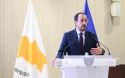
Президент сообщил о восьми мерах поддержки экономики общим бюджетом более 200 миллионов евро. Было решено не устанавливать потолок цен, но снизить НДС и другие налоги, а также субсидировать гостиничный бизнес. Международные агентства подтвердили рейтинги Кипра, что подчеркивает их уверенность в экономике страны.
Правительство объявило о новом пакете мер, в дополнение к уже действующим, направленных на дальнейшее облегчение положения домохозяйств и поддержку экономики Кипра в условиях текущей геополитической напряженности в регионе.
В частности, как заявил президент Кипра Никос Христодулидис, меры включают:
• Cнижение ставки НДС на электроэнергию с 1 мая 2026 года по 31 марта 2027 года до 5% для всех домохозяйств.
• Снижение акцизного налога на моторное топливо на 8,33 цента за литр в период с апреля по июнь 2026 года.
• Введение нулевой ставки НДС на мясо, птицу и рыбу с 1 апреля по 30 сентября 2026 года. Эти продукты добавляются к уже облагаемым нулевой ставкой НДС фруктам и овощам.
• Решение не вводить «зеленый налог» на топливо, который увеличил бы его стоимость на 9 центов за литр.
• Субсидирование в размере 30 % заработной платы сотрудников гостиничного сектора, объектов размещения и туристических объектов, которые будут работать с 1 по 30 апреля 2026 года.
• План дальнейшей поддержки авиакомпаний для обеспечения бесперебойного сообщения страны с важными туристическими направлениями.
• Схему субсидирования фермеров на приобретение удобрений, покрывающая 15% стоимости, на апрель и май.
• Схему субсидирования фермеров на сельскохозяйственные товары, покрывающая 15% стоимости покупки, на апрель и май.
Объяснение мер
«Общая стоимость мер, которые мы объявляем сегодня, вместе с уже действующими инициативами, превышает 200 миллионов евро», – подчеркнул президент, отметив, что стоимость этих мер находится в пределах бюджетного профицита.
«Высокие темпы роста, значительный профицит бюджета, ограниченный государственный долг и низкая инфляция – результаты нашей ответственной экономической политики – позволяют нам оптимально управлять последствиями региональных событий и укреплять способность нашей экономики противостоять внешним потрясениям», – подчеркнул Никос Христодулидис.
«Более того, наше правительство в рамках своей социальной политики уже давно реализует существенные меры поддержки, такие как субсидирование электроэнергии для уязвимых потребителей и предприятий, снижение ставки НДС на электроэнергию и применение сниженной или нулевой ставки НДС на основные товары и услуги», – сказал президент, подчеркнув, что экономическая стабильность является залогом национальной безопасности.
«В то же время, в планах мы также учитываем сценарий, при котором кризис может затянуться», – подчеркнул Никос Христодулидис. «Исходя из этой логики и в рамках нашего ответственного подхода к целенаправленным мерам, правительство действует методично и планомерно, чтобы обеспечить существенную поддержку», – заявил он.
Рейтинговые агентства выражают уверенность
Несмотря на нестабильность в регионе, ведущие рейтинговые агентства оставили оценку Кипра на прежнем уровне. Рейтинговое агентство Morningstar DBRS подтвердило долгосрочный рейтинг Кипра как эмитента в иностранной и местной валюте на уровне «A».
То же агентство подтвердило краткосрочный рейтинг эмитента Кипра в иностранной и местной валюте на уровне R-1 (низкий). Тенденция по всем рейтингам остается стабильной.
Рейтинговое агентство Standard & Poor’s подтвердило рейтинг Республики Кипр на уровне «А» с позитивным прогнозом. По словам Президента Христодулидиса, это является еще одним убедительным свидетельством доверия к экономике страны, особенно в период интенсивной геополитической нестабильности в регионе.
Агентство Capital Intelligence Ratings (CI) подтвердило долгосрочный валютный рейтинг Республики Кипр на уровне «BBB+». Краткосрочный валютный рейтинг Кипра как суверенного государства, по оценкам того же агентства, подтвержден на уровне «A2».
Прогноз по рейтингам остается стабильным.
Текст подготовлен по материалам Cyprus Business News.
Читайте также:

Центральный банк Кипра предупреждает, что события в регионе усиливают давление на экономику страны, снижая темпы развития и толкая цены вверх. В подробном отчёте охвачены такие ключевые показатели, как ВВП, безработица и инфляция, а также сектора экономики.
Центральный банк Кипра прогнозирует замедление темпов роста кипрской экономики до 2,7% и значительное увеличение инфляции до 2,7% в 2026 году, учитывая в своих мартовских макроэкономических прогнозах последствия войны на Ближнем Востоке и, в меньшей степени, вспышку ящура на Кипре. Прогноз на период 2026–2028 годов охватывает ключевые показатели, такие как ВВП, безработица, инфляция и базовая инфляция, то есть инфляция без учёта энергоносителей и продуктов питания.
По данным ЦБ, война на Ближнем Востоке, как ожидается, окажет прямое негативное воздействие на кипрскую экономику, главным образом в краткосрочной перспективе, из-за значительного роста цен на нефть и растущей геополитической неопределённости. Последствия в основном ощущаются в секторах туризма, судоходства, а также строительства и недвижимости, которые в значительной степени зависят от иностранных инвестиций.
ЦБ Кипра также прогнозирует, что конфликт негативно повлияет на экспорт услуг из-за снижения внешнего спроса в условиях международной геополитической и геоэкономической неопределённости, а также из-за роста цен на энергоносители. Как отмечалось, ожидается, что эти события негативно повлияют на все основные составляющие ВВП, а именно на частное потребление, инвестиции и чистый экспорт.
Базовый сценарий ЦБ основан на предположении, что война продлится приблизительно два месяца с высокой интенсивностью, после чего последует постепенная деэскалация. Однако ЦБ подчёркивает, что среднесрочные последствия будут зависеть от продолжительности и интенсивности конфликта.
Что касается вспышки ящура, ЦБ заявляет, что болезнь, как ожидается, негативно повлияет на производство в животноводческом секторе, причём, по оценкам, её последствия исчезнут к концу 2026 года в зависимости от распространения болезни. Однако общее влияние на ВВП и рынок труда считается очень ограниченным из-за небольшого размера этого сектора.
Сохраняющаяся неопределённость в отношении тарифной политики США, как ожидается, не окажет существенного негативного влияния на экономику Кипра, поскольку объём торговли товарами между Кипром и США остаётся ограниченным.
Более подробно: прогнозируется замедление роста ВВП до 2,7% в 2026 году по сравнению с достигнутыми 3,8% в 2025 году, в то время как на 2027 и 2028 годы прогнозируется дальнейшее ускорение роста до 2,9% и 3,1% соответственно.
По оценкам Центрального банка Кипра, внутренний спрос в период 2026–2028 годов будет поддерживаться продолжающимся ростом частного потребления благодаря увеличению реального располагаемого дохода домохозяйств и сохранению устойчивости рынка труда. Хотя потребительская уверенность пострадала из-за войны, ожидается, что частное потребление останется ключевым столпом роста.
Рост экономической активности также ожидается за счёт крупных частных инвестиций в нежилое строительство, которые уже осуществляются, таких как инфраструктурные проекты для цифрового и «зелёного» роста и проекты реформ в рамках «Плана восстановления и устойчивости». Банк отмечает, что эти инвестиции могут быть затронуты кризисом с временной задержкой из-за многолетнего горизонта их реализации.
В чистом экспорте значительный вклад в рост ожидается от нетуристических услуг с особым акцентом на технологический сектор, который продолжает стимулировать экспорт услуг, связанных с использованием интеллектуальной собственности. Положительный вклад также ожидается от финансовых и профессиональных услуг благодаря диверсификации их рынков. Напротив, ожидается, что туризм в 2026 году будет негативно затронут геополитической напряжённостью, с восстановлением занятости в 2027 году и постепенным увеличением числа гостей из Великобритании, Израиля и стран ЕС. Банк также прогнозирует, что перебои в судоходстве начнут спадать с 2027 года.
На рынке труда Центральный банк Кипра прогнозирует, что уровень безработицы останется на уровне около 4,5% в течение всего периода 2026–2028 годов, с лишь незначительным негативным влиянием на темпы роста занятости в 2026 году. По сравнению с предыдущими прогнозами уровень безработицы не пересмотрен, поскольку экономический рост по-прежнему считается сильным, а рынок труда остаётся насыщенным.
Что касается инфляции, Центральный банк Кипра прогнозирует её значительное увеличение. Инфляция в 2026 году составит 2,7% по сравнению с 0,8% в 2025 году, главным образом из-за экономических последствий войны. Основное давление оказывают цены на энергоносители из-за роста международных цен на нефть, что косвенно влияет на другие компоненты инфляции.
Ожидается дальнейшее повышение цен на промышленные товары, за исключением энергоносителей, из-за проблем с цепочками поставок и увеличения производственных затрат, а также рост цен на продукты питания из-за удорожания удобрений и влияния ящура на цены на мясо и молочные продукты.
На 2027 год прогнозируется снижение инфляции до 2% главным образом за счёт снижения цен на энергоносители и услуги, а на 2028 год – до 2,2%, главным образом из-за ожидаемого введения расширенной системы квот на выбросы ЕС (ETS2), которая, как ожидается, повлияет на цены на автомобильное и отопительное топливо.
Прогнозируется, что базовая инфляция вырастет до 2,3% в 2026 году с 1,9% в 2025 году из-за повышения цен на услуги и промышленные товары, за исключением энергоносителей. На 2027 и 2028 годы Центральный банк Кипра прогнозирует её ежегодное изменение примерно на 2%.
Банк считает, что риски для ВВП в период 2026–2028 годов в основном направлены вниз, причём основными угрозами являются более высокие, чем ожидалось, цены на энергоносители, сбои в импорте сырья и продукции, потенциальное увеличение нагрузки на экспорт услуг в случае затяжной войны, а также неопределённость в глобальной торговой политике. В то же время риски связаны и с факторами, обусловленными изменением климата.
Соответственно, риски инфляции в целом оцениваются как повышательные, поскольку они связаны с возможностью ещё большего роста цен на энергоносители и импортные товары, а также с усилением давления на заработную плату или увеличением прибыли. Снижающие риски возможны только в том случае, если последствия войны в конечном итоге окажутся более ограниченными и кратковременными, чем предполагается в настоящее время.
Текст подготовлен по материалам «Филелефтерос»
Читайте также:

В 2030 году Ларнака будет культурной столицей Европы. Получение этого статуса оказывает влияние далеко за пределами искусства. Благодаря сотням мероприятий, международному сотрудничеству и привлечению посетителей и инвестиций инициатива выступает катализатором роста.
Для бизнеса культурная столица – это новые возможности для повышения узнаваемости, партнёрства и экономической активности в городе, который набирает обороты и привлекает всё больше внимания во всём мире.
Запущенная в 1985 году, инициатива «Культурная столица Европы» стала одной из самых успешных культурных программ Европейского союза. Хотя её основная миссия заключается в том, чтобы подчеркнуть культурное разнообразие и наследие Европы, она всё чаще доказывает свою эффективность как мощный инструмент городского развития и экономической мобилизации. Города, носившие этот титул, использовали эту возможность для модернизации инфраструктуры, привлечения инвестиций и позиционирования на международной арене.
Международная известность и бренд города
Присвоение статуса Европейской культурной столицы прочно закрепляет город на мировой карте. В течение года, когда город носит этот статус, проходят сотни культурных мероприятий – от фестивалей и выставок до конференций и художественных коллабораций, – привлекающих посетителей, художников, журналистов и профессионалов со всего мира.
Эта интенсивная культурная деятельность привлекает значительное международное внимание. Для местных предприятий она создаёт мощную платформу для продвижения. Компании, участвующие в программе посредством спонсорства, партнёрства или совместных проектов, получают доступ к широкой международной аудитории.
Для городов, стремящихся изменить своё позиционирование на глобальном уровне, инициатива выступает в качестве ускорителя брендинга. Для предприятий, работающих в них, она открывает возможности для повышения узнаваемости далеко за пределами местных или национальных рынков.
Рост туризма и экономический импульс
Одним из наиболее непосредственных последствий присвоения статуса культурной столицы является рост туризма. Культурные программы, международное освещение в СМИ и общий импульс, создаваемый инициативой, привлекают большое количество посетителей.
Этот всплеск туризма создаёт значительные возможности для предприятий в различных секторах, включая гостиничный бизнес, рестораны, розничную торговлю, транспорт и услуги. Отели отмечают повышение заполняемости номеров, рестораны и кафе получают выгоду от увеличения потока посетителей, а местные розничные торговцы привлекают новых клиентов.
Во многих городах число посетителей значительно возрастает в течение года действия статуса культурной столицы и часто продолжает расти после этого. По мере того как город получает признание как культурное направление, преимущества выходят за рамки первоначального периода программы, создавая устойчивую экономическую активность для местных предприятий.
Привлечение инвестиций и развитие инфраструктуры
Желание соответствовать статусу культурной столицы часто выступает катализатором инвестиций. Города, готовящиеся к получению этого статуса, модернизируют культурные объекты, обновляют общественные пространства и развивают новую инфраструктуру, которая улучшает городскую среду.
Эти улучшения повышают привлекательность города не только для туристов, но и для инвесторов и предпринимателей. Возрождённые культурные районы, обновлённые общественные пространства и модернизированные объекты способствуют созданию более динамичной и привлекательной деловой среды.
Во многих случаях процесс подготовки стимулирует как государственные, так и частные инвестиции, демонстрируя, как культурные инициативы могут запускать более широкое экономическое развитие и городскую трансформацию.
Создание новых партнёрств
Успешная реализация программы требует сотрудничества между различными секторами. Государственные учреждения, культурные организации, университеты, творческие специалисты и частные компании – все они играют роль в формировании облика города.
Такая модель сотрудничества способствует созданию новых связей и партнёрств. Бизнес может участвовать посредством спонсорства, совместных проектов, культурных инициатив или взаимодействия с художниками и творческими организациями.
Долгосрочное наследие
Многие бывшие города-победители программы демонстрируют устойчивый рост культурных и креативных индустрий, увеличение культурных инвестиций и более активное взаимодействие граждан с искусством. В то же время международное признание, полученное в течение года, когда город носит этот статус, помогает поддерживать туризм и экономическую активность в последующие годы.
Для бизнеса это означает, что выгоды выходят далеко за рамки первоначального периода программы. Более сильная культурная экосистема, улучшенная инфраструктура и укрепление международной репутации создают более динамичную и конкурентоспособную среду для роста.
Возможности для бизнес-сообщества
Исходя из всего вышесказанного, становится ясно, что перед кипрским бизнес-сообществом открывается уникальная, историческая возможность — Ларнака 2030. Город, объявленный культурной столицей Европы в декабре 2025 года, реализует программу, которая переосмыслит его роль на европейской карте. Для бизнеса это момент стать частью динамичного роста.
Культурные столицы Европы – статистика
Год основания инициативы: 1985
Города-участники: 60+
Количество культурных мероприятий за год: 1000–1200
Участники (2013–2022): 38,5 млн человек
Увеличение числа посетителей в течение года действия программы: 30–40%
Увеличение количества бронирований: 12–25%
Финансирование ЕС на город: 3–5 млн евро
Общий объём культурных инвестиций по всей Европе: ~900 млн евро
Увеличение культурной активности в городах-организаторах: 300–500%
Рост ВВП на душу населения по сравнению с городами-кандидатами: +4,5%
Увеличение местного финансирования культуры: до 5 раз
Текст подготовлен по материалам CBN
Читайте также:

25 марта стартует новый курс Наталии Кардаш «Греческий для жизни на Кипре: 1200 слов». Его основной принцип прост: 10 новых слов каждый день. За четыре месяца участники изучат около 1200 слов – это объём, который позволяет уверенно читать простые тексты, понимать новости и ориентироваться в экзаменационных заданиях. Как минимум половина учащихся будут параллельно готовиться к летнему экзамену на знание кипрских реалий.
Предлагаем вашему вниманию список из всех 120 тем/уроков. Каждый раз в дополнение к 10 новым словам Наталия будет давать предложения-примеры. И как вы можете заметить, изучая список, их сложность растет в зависимости от опыта и знаний участников группы. Шесть из 120 уроков будут посвящены кипрскому диалекту. Задача – разобраться, чем отличаются самые распространенные слова, чтобы понимать киприотов в деревне. В курс включены 60 кипрских слов, которых нет в «материковом» греческом языке.
Кроме того, Наталия записала ряд видео с практическими приемами, которые помогут удержать в памяти такой огромный пласт информации. Все уроки записаны на видео, их можно проходить в удобное время. Занятий в прямом эфире всего четыре, все они – вечером и в выходные дни.
Инструкции о том, как присоединиться к этому курсу, - в конце статьи.
120 УРОКОВ КУРСА «ГРЕЧЕСКИЙ ДЛЯ ЖИЗНИ НА КИПРЕ»
1. Приветствия и вежливые слова
Γεια σου. – Привет.
2. Базовые глаголы I
Θέλω νερό. – Я хочу воды.
3. Числа 1–10
Δύο καφέδες, παρακαλώ. – Два кофе, пожалуйста.
4. Базовые глаголы II
Δεν ξέρω ακόμα. – Я пока не знаю.
5. Семья и близкие
Αυτή είναι η μητέρα μου. – Это моя мама.
6. Базовые глаголы III
Πίνω καφέ το πρωί. – Я пью кофе утром.
7. Еда и напитки I
Θέλω ψωμί και τυρί. – Я хочу хлеб и сыр.
8. Кафе и простой заказ
Τον λογαριασμό, παρακαλώ. – Счёт, пожалуйста.
9. Дом I
Το σπίτι μου είναι μικρό. – Мой дом маленький.
10. Бытовые предметы I
Πού είναι το κλειδί μου; – Где мой ключ?
11. Цвета и простые признаки
Θέλω το μπλε ποτήρι. – Я хочу синий стакан.
12. Дни недели
Αύριο είναι Τρίτη. – Завтра вторник.
13. Время и части дня
Το απόγευμα δουλεύω. – После обеда я работаю.
14. Знакомство и разговор о себе
Το όνομά μου είναι Άννα. – Меня зовут Анна.
15. Простые действия дома
Καθαρίζω το σπίτι το πρωί. – Я убираю дом утром.
16. Магазин I
Αυτό είναι πολύ ακριβό. – Это очень дорого.
17. Супермаркет I
Θέλω ντομάτες και πατάτες. – Я хочу помидоры и картошку.
18. Деньги и оплата
Πληρώνω με κάρτα. – Я плачу картой.
19. Направления в городе
Πηγαίνετε ίσια και μετά δεξιά. – Идите прямо, а потом направо.
20. Транспорт на Кипре
Η στάση είναι κοντά στο σπίτι. – Остановка рядом с домом.
21. Кипрский диалект I
Ίντα λαλείς τωρά; – Что ты сейчас говоришь?
22. Погода I
Σήμερα έχει πολύ ζέστη. – Сегодня очень жарко.
23. Одежда I
Θέλω ένα άσπρο πουκάμισο. – Я хочу белую рубашку.
24. Обувь и аксессуары
Αυτό το καπέλο μου αρέσει. – Мне нравится эта шляпа.
25. Дом II – мебель и места
Το μπαλκόνι είναι πάνω. – Балкон наверху.
26. Кухня дома
Βάλε λίγο αλάτι στο φαγητό. – Положи немного соли в еду.
27. Завтрак, обед, ужин
Το βραδινό είναι έτοιμο. – Ужин готов.
28. Пекарня и кофе
Θέλω έναν φραπέ και μία τυρόπιτα. – Я хочу фраппе и сырный пирожок.
29. Фрукты и овощи
Τα φρούτα είναι πολύ φρέσκα. – Фрукты очень свежие.
30. Молочные продукты и базовые покупки
Χρειάζομαι γάλα και γιαούρτι. – Мне нужны молоко и йогурт.
31. Вкус и простые оценки еды
Το φαγητό είναι πολύ νόστιμο. – Еда очень вкусная.
32. Простые просьбы
Μπορείτε να με βοηθήσετε; – Вы можете мне помочь?
33. Благодарность и вежливая реакция
Ευχαριστώ πολύ για τη βοήθεια. – Большое спасибо за помощь.
34. Извинения и короткие ответы
Συγγνώμη, άργησα λίγο. – Извините, я немного опоздал.
35. Адрес, вход, этаж
Μένω στον δεύτερο όροφο. – Я живу на втором этаже.
36. Аренда жилья I
Ψάχνω ένα μικρό διαμέρισμα. – Я ищу маленькую квартиру.
37. Коммунальные услуги I
Το ίντερνετ δεν δουλεύει καλά. – Интернет плохо работает.
38. Телефон и мобильная связь
Στείλτε μου ένα μήνυμα. – Отправьте мне сообщение.
39. Интернет дома и Wi-Fi
Πείτε μου τον κωδικό του Wi-Fi. – Скажите мне пароль от Wi-Fi.
40. Кипрский диалект II
Μην λαλείς πελλάρες τώρα. – Не говори сейчас глупостей.
41. Здоровье I
Δεν νιώθω καλά σήμερα. – Я сегодня плохо себя чувствую.
42. Части тела
Πονάει το κεφάλι μου. – У меня болит голова.
43. Симптомы I
Έχω βήχα από χτες. – У меня кашель со вчерашнего дня.
44. Аптека I
Θέλω κάτι για τον πόνο. – Я хочу что-нибудь от боли.
45. Врач I
Έχω ραντεβού στις δέκα. – У меня запись на десять.
46. Больница и клиника
Πού είναι τα επείγοντα; – Где отделение скорой помощи?
47. Анализы и обследования
Το αποτέλεσμα βγαίνει αύριο. – Результат будет готов завтра.
48. Страхование и медицинская карта
Η κάρτα μου είναι ακόμα έγκυρη. – Моя карта ещё действительна.
49. ГЕСИ
Θέλω να κλείσω ραντεβού μέσω ΓΕΣΥ. – Я хочу записаться через ГЕСИ.
50. Чрезвычайные ситуации
Καλέστε ασθενοφόρο αμέσως. – Немедленно вызовите скорую.
51. Полиция
Έχασα το διαβατήριό μου. – Я потерял свой паспорт.
52. Документы I
Χρειάζομαι ένα αντίγραφο αυτού του χαρτιού. – Мне нужна копия этого документа.
53. Миграционные службы I
Καταθέτω τα χαρτιά σήμερα. – Я подаю документы сегодня.
54. Муниципалитет
Πάω στον δήμο το πρωί. – Я иду в муниципалитет утром.
55. Почта и доставка
Στέλνω το πακέτο σήμερα. – Я отправляю посылку сегодня.
56. Банк I
Θέλω να ανοίξω λογαριασμό. – Я хочу открыть счёт.
57. Деньги и платежи II
Σας χρωστάω δέκα ευρώ. – Я должен вам десять евро.
58. Парковка и штрафы
Έχω πρόστιμο για πάρκινγκ. – У меня штраф за парковку.
59. Ремонт дома I
Η βρύση τρέχει όλη μέρα. – Кран течёт весь день.
60. Кипрский диалект III
Μου αρέσκει πολλά το σπίτι. – Мне очень нравится этот дом.
61. Эмоции I
Έχω αγωνία για αύριο. – Я волнуюсь из-за завтрашнего дня.
62. Характер I
Είναι πολύ ήρεμος άνθρωπος. – Он очень спокойный человек.
63. Дружба и круг общения
Έχουμε ωραία παρέα εδώ. – У нас здесь хорошая компания.
64. Приглашения I
Έλα σε μένα για δείπνο. – Приходи ко мне на ужин.
65. Разговор в компании I
Συμφωνώ μαζί σου απόλυτα. – Я полностью с тобой согласен.
66. Праздники I
Σου εύχομαι χρόνια πολλά. – Желаю тебе всего самого лучшего.
67. Комплименты и тёплые слова
Αυτό το φόρεμα σου πάει. – Это платье тебе идёт.
68. Просьбы II
Μπορείτε να μιλήσετε πιο αργά; – Вы можете говорить медленнее?
69. Обсуждение планов I
Σκέφτομαι να πάω αύριο. – Я думаю пойти завтра.
70. Разговор о будущем I
Ελπίζω να είσαι καλά. – Надеюсь, у тебя всё хорошо.
71. Рассказы о прошлом I
Χτες πήγα στο σούπερ μάρκετ. – Вчера я ходил в супермаркет.
72. Короткие истории I
Εκείνη τη στιγμή κατάλαβα τα πάντα. – В тот момент я всё понял.
73. Работа I – профессии
Ψάχνω νέα δουλειά τώρα. – Я сейчас ищу новую работу.
74. Офис I
Το έγγραφο είναι στο τραπέζι. – Документ лежит на столе.
75. Рабочий день и обязанности
Οργανώνω τη μέρα από πριν. – Я организую день заранее.
76. Встречи I
Επιβεβαιώνω τη συνάντηση αύριο. – Я подтверждаю встречу завтра.
77. Клиенты I
Θέλω να σας βοηθήσω. – Я хочу вам помочь.
78. Деловая поездка I
Το ταξίδι είναι για δουλειά. – Поездка по работе.
79. Телефонные разговоры по работе
Θα σας ξαναπάρω αργότερα. – Я вам перезвоню позже.
80. Кипрский диалект IV
Κάμνουμεν ό,τι μπορούμεν τώρα. – Мы сейчас делаем всё, что можем.
81. Покупки II
Αυτό μου ταιριάζει καλύτερα. – Это мне подходит лучше.
82. Магазины II
Θέλω να το επιστρέψω. – Я хочу это вернуть.
83. Супермаркет II
Κοιτάζω πάντα την ημερομηνία. – Я всегда смотрю на дату.
84. Одежда II
Το παντελόνι είναι πολύ στενό. – Брюки слишком узкие.
85. Услуги I
Θέλω να κλείσω ραντεβού. – Я хочу записаться (на встречу, на прием).
86. Ремонт II
Ο υδραυλικός έρχεται το πρωί. – Сантехник придёт утром.
87. Коммунальные услуги II
Πληρώνω όλους τους λογαριασμούς σήμερα. – Я сегодня оплачиваю все счета.
88. Аренда жилья II
Συμφωνώ με αυτούς τους όρους. – Я согласен с этими условиями.
89. Соседи и жизнь в доме
Συγγνώμη αν σας ενοχλώ. – Извините, если я вам мешаю.
90. Посылки, курьеры, доставка еды
Αφήστε το πακέτο έξω. – Оставьте посылку снаружи.
91. Банк II
Η κάρτα μου δεν περνάει. – Моя карта не проходит.
92. Документы II
Πρέπει να σφραγίσετε το χαρτί. – Вам нужно поставить печать на документ.
93. Миграционные службы II
Περιμένω απάντηση εδώ και μήνες. – Я жду ответ уже много месяцев.
94. Муниципальные и государственные платежи
Η προθεσμία είναι μέχρι αύριο. – Срок – до завтра.
95. Налоги I
Πληρώνω τον φόρο κάθε χρόνο. – Я плачу налог каждый год.
96. Страхование II
Η ασφάλεια καλύπτει τη ζημιά. – Страховка покрывает ущерб.
97. Врач II
Ακολουθώ τη συμβουλή του γιατρού. – Я следую совету врача.
98. Аптека II
Διαβάζω τις οδηγίες πρώτα. – Я сначала читаю инструкцию.
99. Самочувствие в быту
Χρειάζομαι λίγο καθαρό αέρα. – Мне нужно немного свежего воздуха.
100. Кипрский диалект V
Ίσ̌σ̌αλλα να πάνε όλα καλά. – Дай бог, чтобы всё прошло хорошо.
101. Работа II – отделы и должности
Είναι υπεύθυνος για το έργο. – Он отвечает за проект.
102. Офис II – задачи и документы
Διορθώνω ένα μικρό λάθος. – Я исправляю небольшую ошибку.
103. Переговоры I
Η πρότασή σας είναι ενδιαφέρουσα. – Ваше предложение интересное.
104. Проекты I
Πετυχαίνουμε τον στόχο μαζί. – Мы достигаем цели вместе.
105. Клиенты II
Χτίζουμε εμπιστοσύνη με τον χρόνο. – Мы строим доверие со временем.
106. Услуги II
Εξηγώ κάθε βήμα καθαρά. – Я чётко объясняю каждый шаг.
107. Маркетинг I
Το μήνυμα πρέπει να είναι σαφές. – Сообщение должно быть ясным.
108. Продажи I
Πουλάμε υπηρεσίες, όχι προϊόντα. – Мы продаём услуги, а не товары.
109. Финансы II
Θέλω να μειώσω τα έξοδα. – Я хочу уменьшить расходы.
110. Договоры I
Διαβάζω προσεκτικά κάθε όρο. – Я внимательно читаю каждое условие.
111. Налоги II
Πληρώνω τον φόρο εγκαίρως. – Я плачу налог вовремя.
112. Деловая переписка I
Περιμένω την απάντησή σας. – Я жду ваш ответ.
113. Презентации I
Παρουσιάζω το σχέδιο στην ομάδα. – Я представляю план команде.
114. Деловые поездки II
Επιβεβαιώνω όλες τις κρατήσεις σήμερα. – Я подтверждаю все бронирования сегодня.
115. Кипр I – города и районы
Θέλω να γνωρίσω καλύτερα την πόλη. – Я хочу лучше узнать город.
116. Кипр II – кухня и традиции
Η οικογένεια μαζεύεται κάθε Κυριακή. – Семья собирается каждое воскресенье.
117. Кипр III – море, природа, сезон
Απολαμβάνω τη θάλασσα το απόγευμα. – Я наслаждаюсь морем после обеда.
118. Кипр IV – туризм и сервис
Οι άνθρωποι εδώ είναι φιλόξενοι. – Люди здесь гостеприимные.
119. Кипр V – разговор о жизни на острове
Απολαμβάνω τη ζωή στο νησί. – Я наслаждаюсь жизнью на острове.
120. Кипрский диалект VI
Ευκαριστώ πολλά για όλα. – Большое спасибо за всё.
СКОЛЬКО СТОИТ И КАК ЗАПИСАТЬСЯ
Стоимость курса 70 евро в месяц, он расчитан на 4 месяца ежедневных занятий. Группа будет заниматься в Телеграм-канале и специально обученный бот будет своевременно напоминать, что закончился месяц. Бросить можно в любой момент, но Наталия надеется, что все студенты дойдут до конца, прозанимаются 4 месяца и выучат 1200 слов.
Записаться на курс можно в Телеграме, найдите вот этого бота @NK_Gr_Bot. Нажмите на кнопку Start, следуйте инструкциям. Он вас запишет, добавит в группу. Занятия начнутся 25 марта. Если что-то непонятно, если есть вопросы, пишите в Телеграме напрямую Наталии Кардаш @NataliaKardashCyprus.
СИСТЕМНОЕ ИЗУЧЕНИЕ СЛОВ
Курс представляет собой системную программу ежедневной работы со словами. В течение четырёх месяцев участники получают 120 коротких видеоуроков, каждый из которых посвящён десяти новым словам. Таким образом постепенно формируется словарный запас примерно из 1200 наиболее употребительных слов современного греческого языка.
Помимо ежедневных уроков курс включает лекции по мнемотехнике и принципам запоминания иностранных слов, практические рекомендации по формированию ассоциаций и связей между словами, а также регулярные блоки повторения. Через определённые интервалы будут появляться видео для систематизации пройденного материала, позволяющие увидеть, как отдельные слова складываются в тематические группы.
В программу также входят небольшие проверочные тесты, которые помогают понять, какие слова уже закрепились, а какие требуют повторения. Участники получают аудиоматериалы, которые можно слушать во время прогулок или поездок, а также подборки фраз, коротких текстов, стихов и песен, где встречаются изученные слова. Это помогает постепенно узнавать их в реальной речи и лучше чувствовать язык.
Таким образом курс представляет собой не просто список слов, а организованную систему их постепенного освоения, повторения и закрепления, рассчитанную на регулярную ежедневную работу в течение четырёх месяцев.
ПОДГОТОВКА К ЭКЗАМЕНУ – СЛЕДУЮЩИЙ ШАГ
Курс «1200 слов» – это только часть общей программы подготовки к экзамену по Кипру. После Пасхи планируется запуск нового курса по современной новостной, политической и экономической повестке Кипра. При подготовке содержания были учтены изменения последних лет, расширение тематики и усложнение формулировки вопросов экзамена. Анонс нового курса можно почитать по ссылке.