Если вы храните деньги в кипрском банке, то с большой вероятностью вы получаете меньше начислений, чем среднестатистический европеец. Но если вы берете кредит для покупки дома или открытия малого бизнеса, вы, скорее всего, заплатите за него больше. Такая ситуация описана в свежем отчете Центробанка. Документ показывает увеличивающийся разрыв между Кипром и еврозоной.
В июне средняя процентная ставка по депозитам сроком на один год для домохозяйств на Кипре снизилась до 1,13%, в то время как в среднем по еврозоне она составляла 1,77%. Некоторые банки предлагают ставку даже ниже 1%, например, Societe Generale Bank Cyprus выплачивает всего 0,62%. Самая большая ставка по депозитам ― в Eurobank Cyprus (1,5%).
Ситуация для бизнеса аналогична. Ставки по корпоративным депозитам также снизились, составив в среднем 1,18% по сравнению с 1,93% в еврозоне.
Средняя процентная ставка по новым жилищным кредитам на Кипре в июне выросла до 3,97%. В еврозоне она снизилась до 3,61%. Bank of Cyprus возглавил рейтинг самой дорогой ипотеки с 5% годовых. Astrobank предлагает наиболее выгодный вариант с 2,21%. Тем не менее, большинство крупных банков в своей ставке по ипотеке по-прежнему значительно превышают средний показатель по еврозоне.
Для малых предприятий, желающих взять в долг менее 1 млн евро, средняя процентная ставка по кредитам на Кипре снизилась до 4,56%, но это все равно почти на целый процентный пункт выше, чем в среднем по еврозоне (3,73%). Banque SBA и Astrobank взимают более 5,9%, Alpha Bank Cyprus и Hellenic Bank предлагают более выгодные ставки ― ниже 4,2%. Для крупных компаний ситуация та же: кипрские заемщики платят больше, чем их европейские коллеги.
Для киприотов этот растущий разрыв означает, что деньги чаще работают против них. Сбережения растут не так быстро, а кредиты на важные начинания типа покупки дома или открытия своего дела обходятся дороже. Это может иметь негативные последствия для экономики, так как снижает доверие потребителей и негативно влияет на готовность предпринимателей к риску.
В долгосрочной перспективе, если разрыв с еврозоной будет расти, Кипр рискует столкнуться с утечкой капитала за рубеж и усилением конкурентного давления на свою банковскую систему, особенно с учетом того, что в эпоху цифровых финансов все больше клиентов готовы переводить деньги туда, где условия выгоднее.
По материалам «Катимерини»
Читайте также:
Центробанк: анализ экономики в цифрах
Банковская система устойчива, но ЦБ призывает к бдительности

Here silence is never empty. It crackles through the pack ice and drifts over glaciers. In the Arctic nature reveals itself slowly, if you’re paying attention. You won’t find guarantees or easy drama; instead, you might witness a bear leave its meal not because of your presence, but because it caught another scent. You might discover that the most powerful moment is not what you see — but what you don’t disturb.
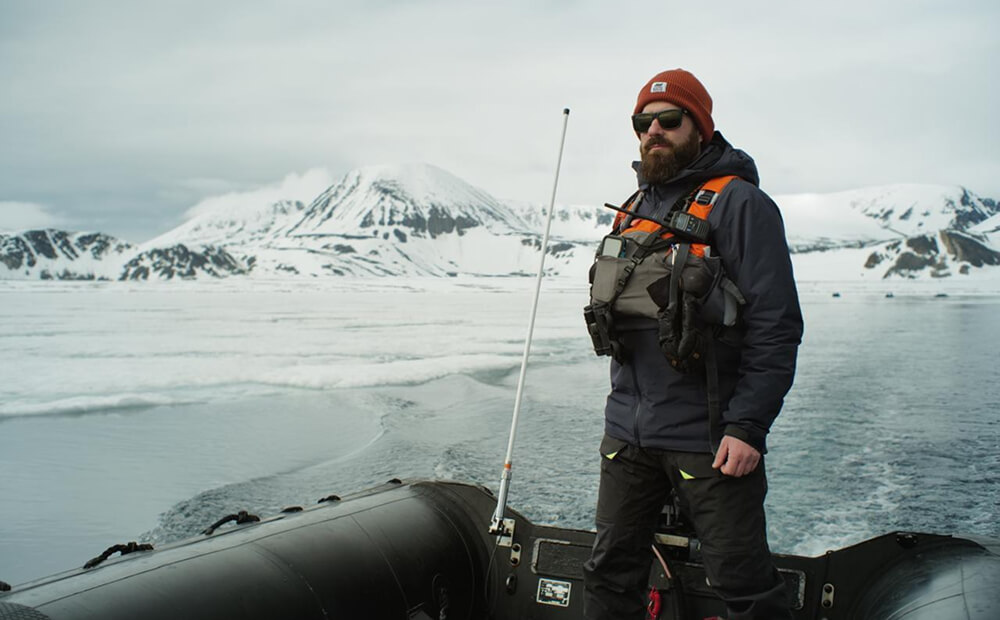
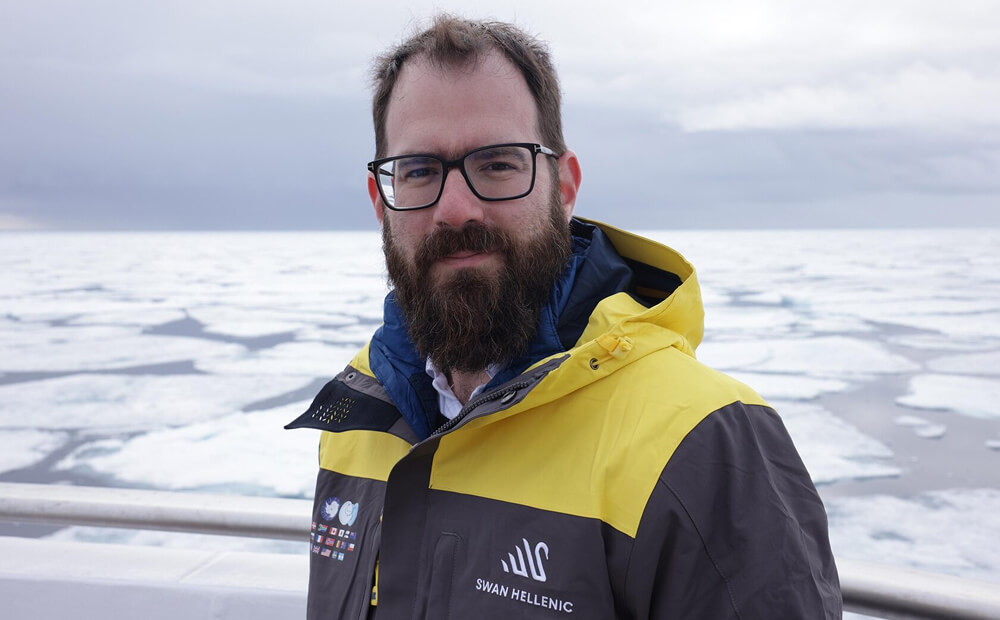
Rayann Elzein is the Expedition Leader aboard SH Diana. He makes dozens of decisions each day, is responsible for the safety of guests and crew, checks ice maps, plans landings — and still speaks about the silence of pack ice, the Northern Lights, and his dream of spending a year in Svalbard with boyish wonder. Formerly a civil engineer from France, today he lives between two poles — but his heart belongs to the North.
From office to glacier: how one trip changed everything
— Rayann, how did you end up in the polar world?
— Completely by chance. I used to be a civil engineer and consultant, working on engineering projects, and living in the Netherlands. Then I moved to Saint Petersburg for a couple of years — and from there, I planned a short vacation to the North. I just wanted to see the Northern Lights. That was in Sapmi (Finnish Lapland), near Inari. All I wanted at the time was a beautiful sky.
But after that trip… I couldn’t stop. I went again. And again. The North drew me in. In 2015, I travelled to Svalbard as a tourist to see the solar solar eclipse. And three years later, I booked a cabin on a polar cruise — just as a regular guest. That was the turning point.
— Why?
— I really fell in love with Svalbard. I wanted to keep coming back year after year, taking pictures of the polar bears, foxes, and birds. I wanted to experience these deeply unique moments in the Arctic. Since travelling to the Arctic each year is expensive, I figured that the best way to keep experiencing it is to just work there. So, I went through extensive training, got certifications, and found my first job on board a ship. First as a photography guide — and then I became more involved in expedition logistics. Now, I am the expedition leader. And I feel I have found my place.
Leading in polar conditions means staying one step ahead
— What are your main responsibilities?
— Everything that has to do with the program and the guests’ experiences. I’m responsible for route planning, landings, checking ice and weather forecasts, working with the captain, managing the expedition team, and ensuring guest safety. I wake up early — sometimes at 5:30 a.m. — to scout out landing zones. Especially when there is a chance of spotting a polar bear.
— So your team goes ashore first?
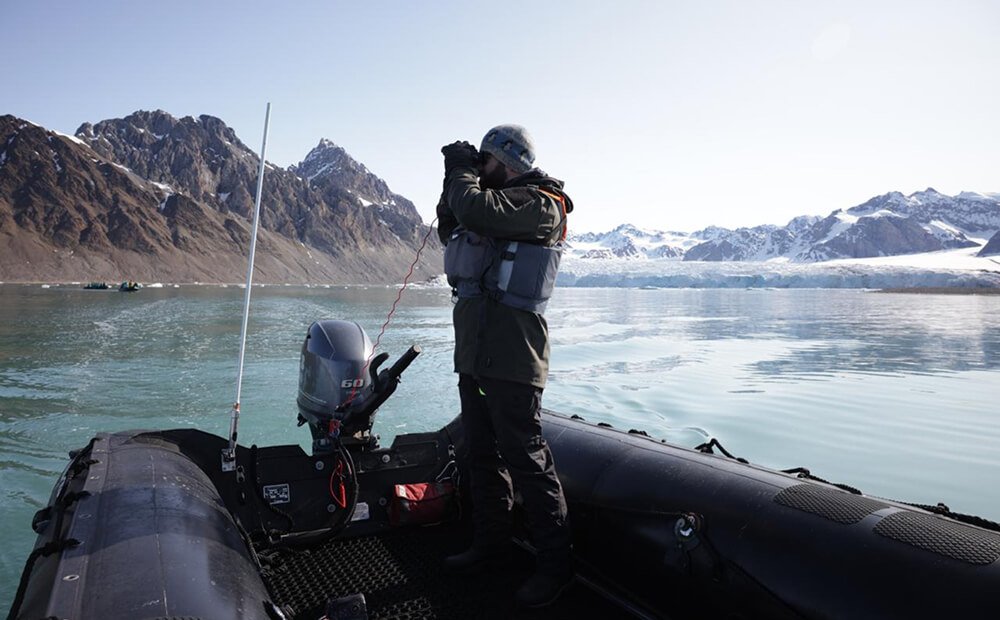
— Always. We cannot allow guests to unexpectedly come face-to-face with a bear. We scan the coastline with binoculars, look for tracks, survey the area. If there is any risk at all, we cancel the landing or find another location. Our job is to protect both the people and the bear.
— That sounds intense.
— It is. But that’s the beauty of it. My job is like being an orchestra conductor. Everything needs to be in harmony: the plan, the team, timing, mood, weather, ice conditions. You’re always thinking ahead, but always immersed in nature.
It is necessary to choose a visual aid that is appropriate for the topic and audience.
— What qualities would you like to see in your team members?
— First and foremost, we look for people who are reliable in unpredictable situations. Out here, we need calm minds, quick reactions, and good judgment. It’s also important that they’re respectful: of the environment, the wildlife, and our guests. Experience and knowledge help, of course, but attitude matters just as much. You have to genuinely enjoy working as a team, sharing knowledge, and staying flexible, because plans change constantly. We want people who can handle pressure without ego and who understand that we’re here to observe nature, not control it.
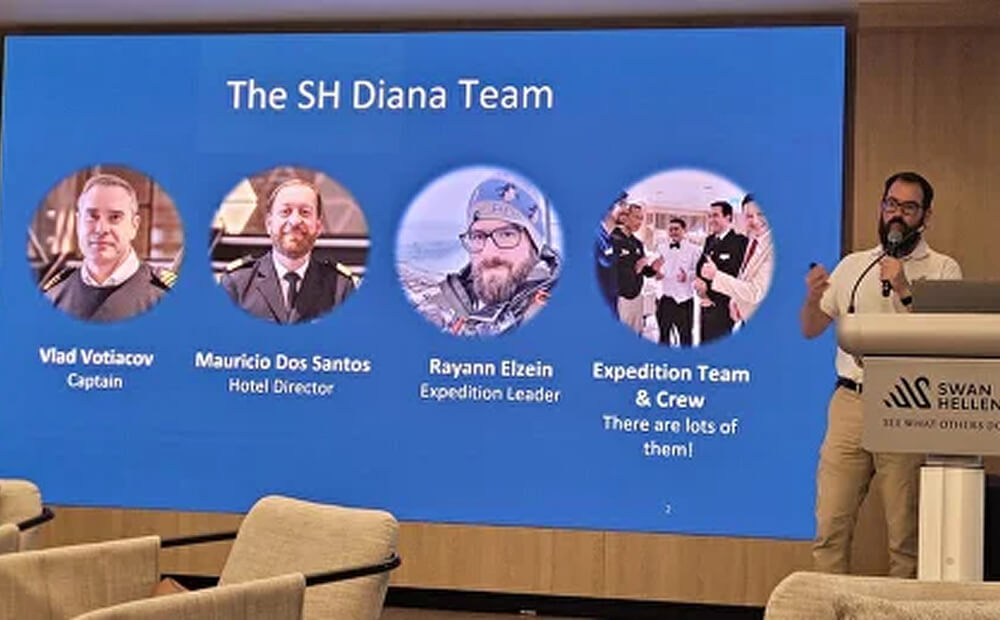
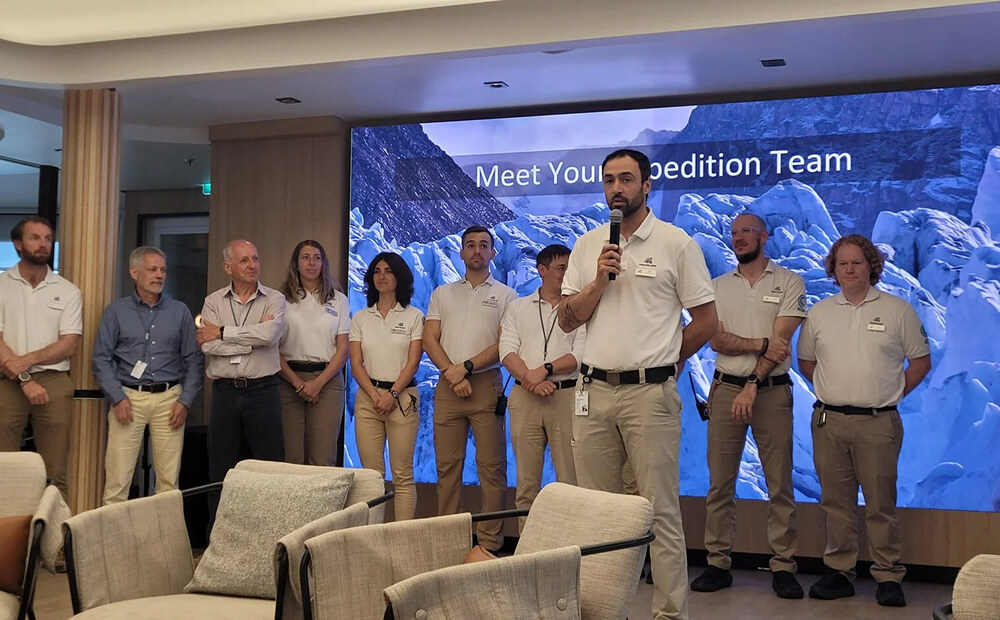
Presenting the team of SH Diana
Behind the scenes: decisions, weather, and moving targets
"NOTHING HERE IS PREDICTABLE — AND THAT’S WHY I LOVE IT"
— Rayann, most guests see only the smooth execution — landings, lectures, excursions. What does you day look like? What happens behind the curtain?
— A lot. It’s like a concert — and I’m both backstage and conducting. Every day starts with a deep weather and ice review. I speak with the captain early in the morning, we check forecasts, ice concentration charts, fog reports, swell conditions. Based on that, we plan: where we will go, if we can land, what we will do if things change.
— Do they often change?
— Constantly. This is the Arctic — nothing is guaranteed. Maybe the forecast looked great last night, but by 6 a.m., there’s thick fog in the fjord. Or the ice has shifted overnight and blocked a landing site. You need two or three backup plans at all times. Adaptability is not a bonus — it’s essential.
— How do you know which sites are available?
— There is a booking and scheduling system made available by AECO (Association of Arctic Expedition Cruise Operators). Most ships in Svalbard are members of AECO and therefore have to use it. We apply for our desired landing sites months in advance — like booking time slots. But if the weather forces us to abandon a site, we need to act fast and see what else is available — without conflicting with other vessels.
— It sounds stressful.
— It is. But it’s also satisfying. When it works — when you pull off a perfect day despite changing ice or wind — it’s magic. And the guests don’t know how close we were to calling it off. That’s the goal: make it seamless for them, no matter how chaotic it is behind the scenes.
IN A WAY, WHEN IT COMES TO WILDLIFE, ANTARCTICA IS “PREDICTABLE”. IN THE ARCTIC, YOU HAVE TO WORK FOR IT REALLY HARD" — Rayann Elzein
The soul of the Arctic: pack ice and impossible dreams
— What is your favorite experience in the Arctic?
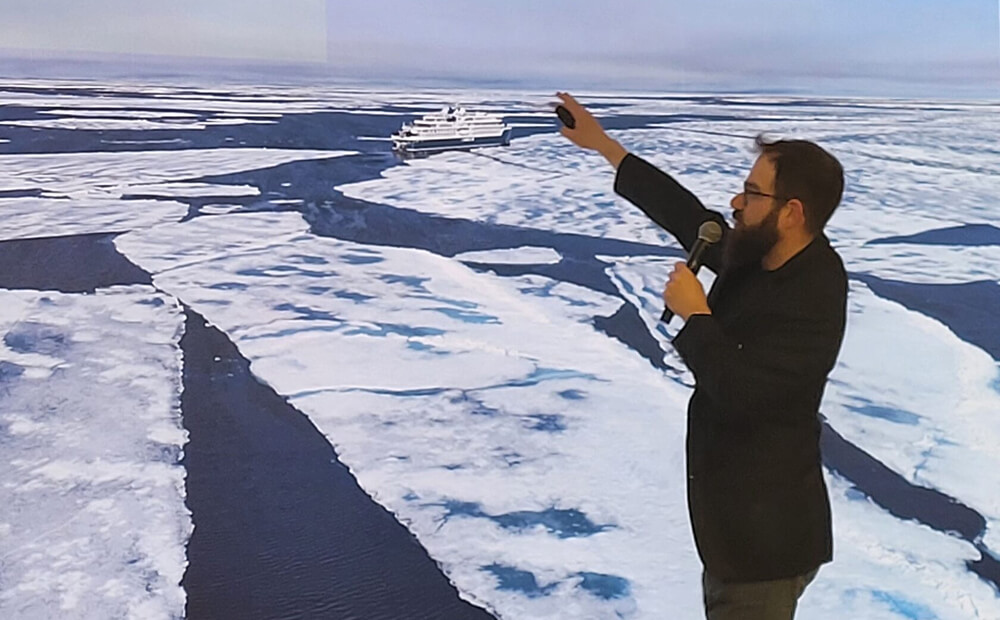
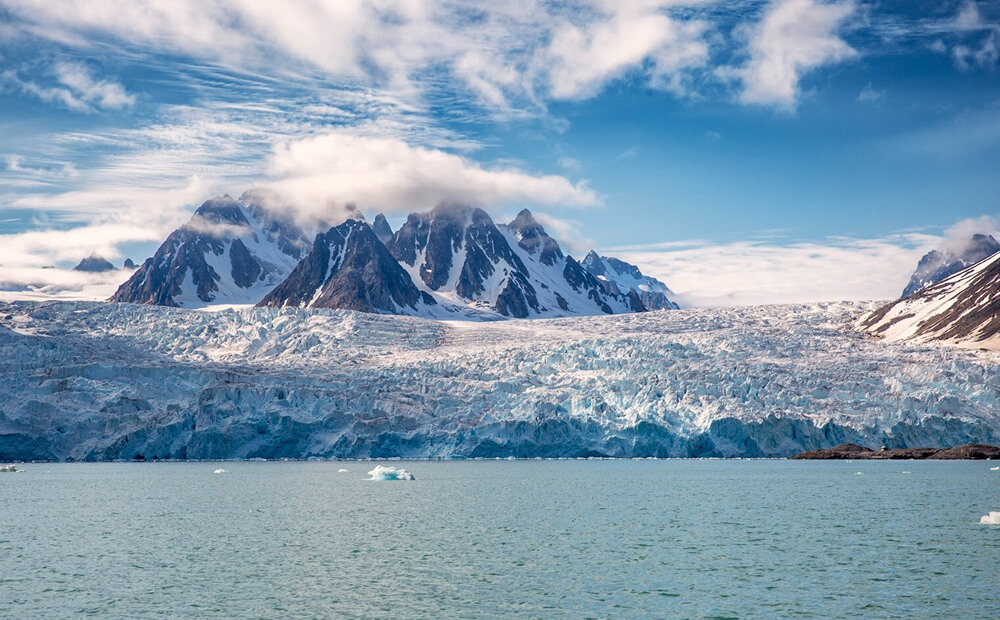
— It is the pack ice. It’s the most unpredictable, raw, and remote environment we can access. It’s never the same. Sometimes it’s dense and majestic, stretching as far as the eye can see. Sometimes it’s thin and fragmented, like a broken mirror. And we just drift through it, silently.
— What is it like?
— Magical. The engine stops, the ship drifts, and all you hear is the soft crackling of the ice. It is meditative. You might see a seal. A bear. Or nothing at all. But you always feel something. I think many people come to the Arctic expecting wildlife. But what actually changes them is the silence.
— Do you have a favorite island?
— I used to dream of landing on Kvitøya — the White Island, the easternmost point of Svalbard. It’s remote, often inaccessible due to ice. I have been there several times, without landing because of polar bears on the beach. And now it's off-limits — new regulations prohibit landings there to protect the environment. So it remains… a dream. A white spot on my personal map of Svalbard.
— Any favorite places you do visit?
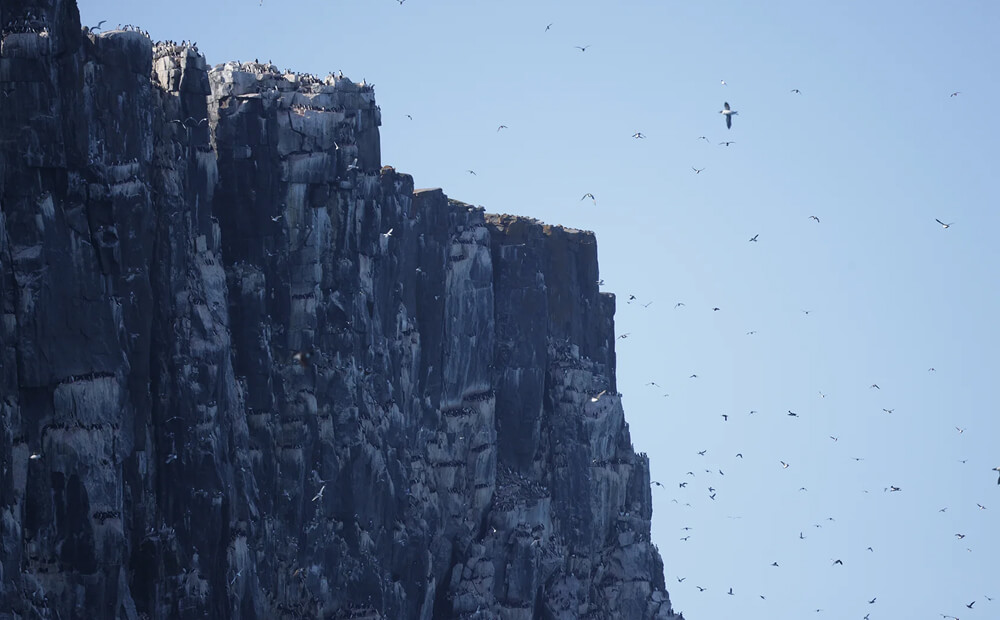
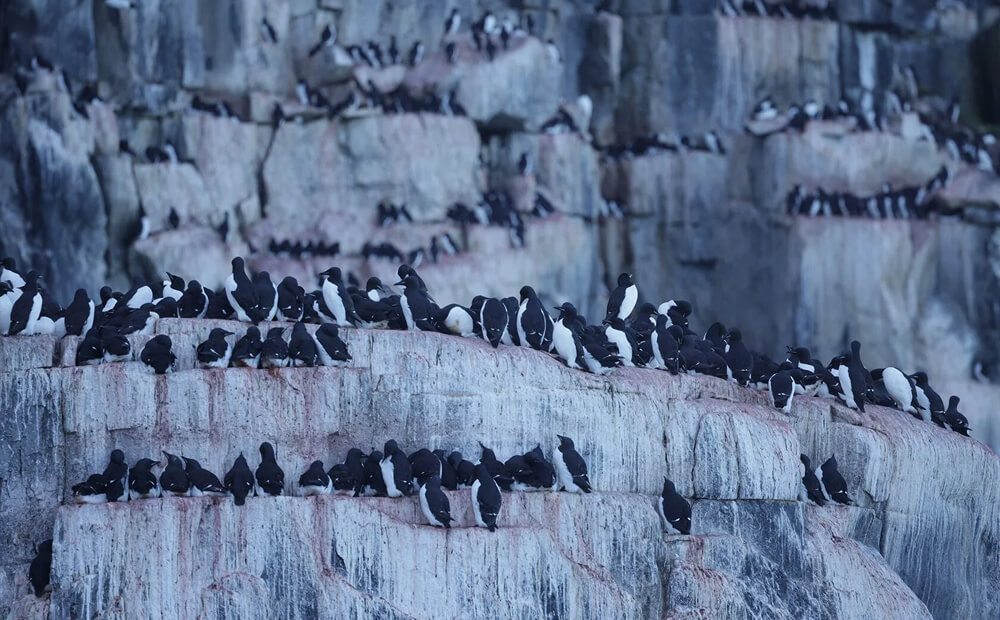
— Many. I love Alkefjellet, the bird cliff. It’s alive with tens of thousands of birds, noise, motion. I love the northernmost archipelago within Svalbard called the Seven Islands, and of course seeing massive glaciers everywhere is fascinating. But more than anything, I love the uncertainty — when I don’t know what the day will bring, and then nature surprises us all.
The Arctic vs. Antarctica: silence and surprise
— Rayann, you've worked in both poles. How would you describe the difference between Antarctica and the Arctic?
— From the point of view of being a guide or Expedition Leader, it is night and day. In a certain way, Antarctica is more predictable at least when it comes to wildlife. You’re almost guaranteed to see penguins, seals, whales — wildlife is abundant and easy to spot. It’s photogenic, cinematic. It delivers what people imagine when they think “polar expedition”.
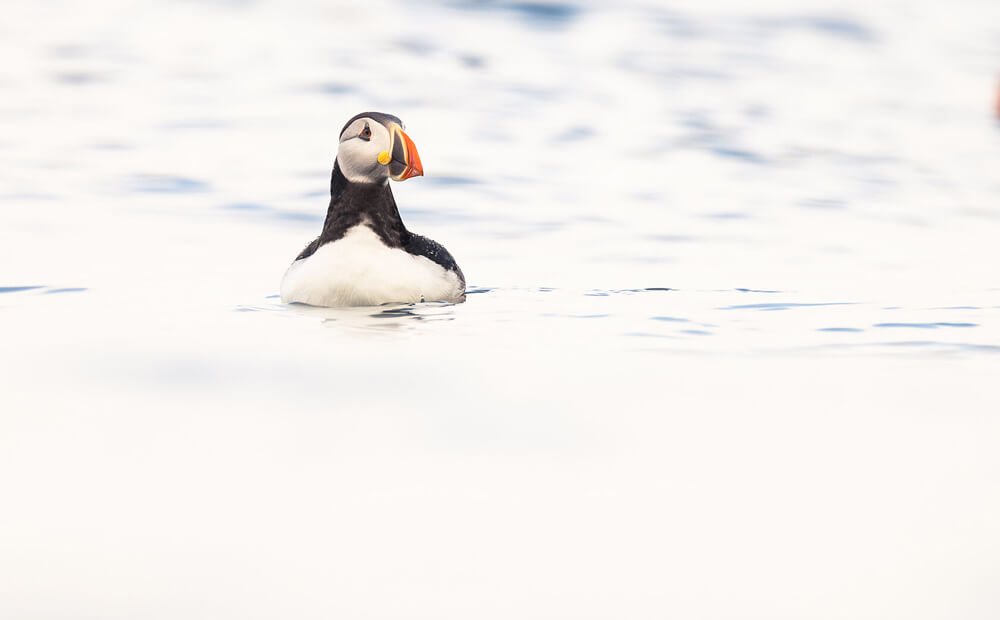
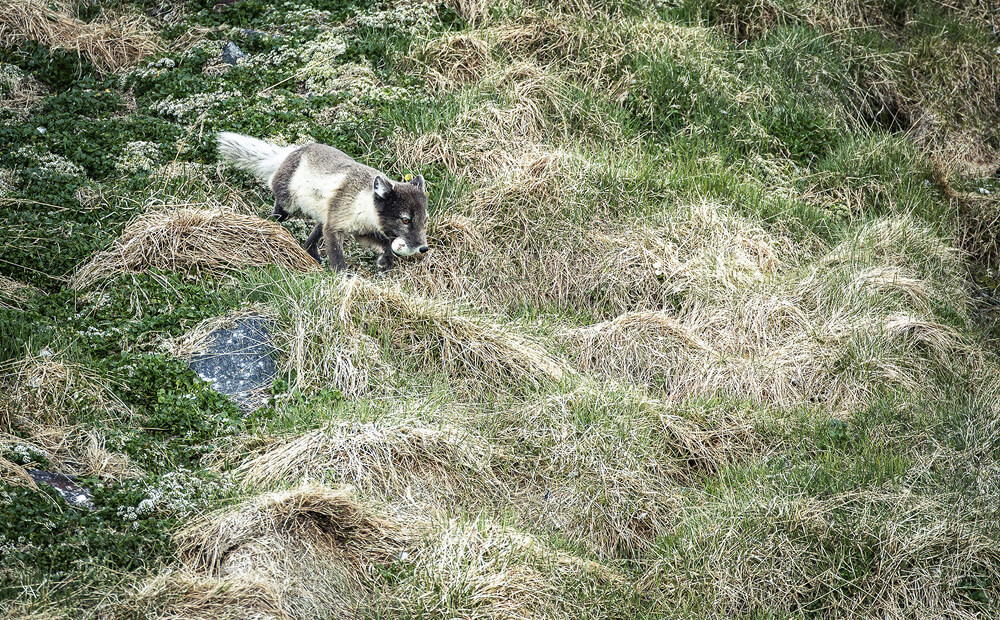
But the Arctic makes you work for finding wildlife really hard. It’s more like a visual treasure hunt. You’re scanning the shoreline for movement. You’re searching. Hoping. And when you do spot something — a bear in the distance, a seal slipping between ice floes or a fox snatching an egg from a bird nest — it feels like you earned it. There’s emotion in that. You remember it.
— So in Antarctica you may expect to see more animal life, in the Arctic – more stunning landscapes?
— When it comes to wildlife, yes, you can expect more in Antarctica. People who have travelled to Antarctica first often arrive in the Arctic expecting the same concentration of wildlife but the Arctic is slow, subtle, quiet. It teaches you to pay attention. To stop performing and start observing. When it comes to landscapes, the north and south are so incredibly different that I wouldn’t dare to compare them.
— If you had to choose only one – north or south pole – what would it be?
— Svalbard. No hesitation. I love Antarctica — I really do, and I can’t wait to return there for the next season. But Svalbard… I feel like I belong here. The landscapes, the light, the silence. Maybe it is because I feel more connected in a way, because this is the first place that I visited and truly got to know in depth.
A life of contrast: between chaos and solitude
— What's your life like between expeditions?
— Unusual (laughs). I live in Ohcejohka (Utsjoki) the northernmost village in Finland, not far from the Arctic Ocean. My nearest neighbor is kilometers away. It’s quiet, completely surrounded by nature. That’s where I rest, recharge, reconnect with silence.
— And what’s your yearly rhythm?
— I work about 2-3 months in the Arctic in northern spring and summer. Then I rest for a month or two. In late northern autumn (spring in the south), I head to Antarctica, where I spend another 2 to 3 months on board. Then I take a couple of months off again until the next Arctic season, usually at home in the north. I read, hike, reflect, prepare.
— Sounds like an unusual balance between extremes.
— It is. On the ship, it’s non-stop: decisions, people, movement, risk assessment. At home, it’s the opposite: silence, stillness, space. But I need both. Two sides of my life complete each other. Without the calm, I wouldn’t survive the chaos. And without the chaos — I wouldn’t appreciate the calm.
— Would you like to spend a full year in the Arctic?
— That’s a dream of mine! Maybe in Svalbard, to experience the total darkness. I’d love to see the seasons turn, to feel the long polar night, the slow return of light. People think the Arctic is empty — but it’s full of tiny changes. You just need time to see them.
How to prepare for the polar world: mindset, gear, and one big mistake
— Rayann, what advice would you give someone preparing for their first Arctic expedition?
— I’d divide it into two parts: physical preparation and mental preparation.
Physically, the key is the right gear. Most people do okay with jackets — the parka we give them is great — but the most common mistake is not bringing proper waterproof pants. That’s the one item people forget or underestimate.
You need:
A waterproof outer layer — especially pants
A warm hat, gloves, and neck protection
Thermal base layers, preferably wool
Wool socks
Sunglasses and sunscreen — yes, even here, especially here!
And: a good camera and binoculars. You’ll regret not having them if the moment comes. Of course, we give binoculars to all guests, but you can also bring your own.
— And how to get mentally ready?
— Drop all expectations. Don't come here thinking you’ll see a polar bear or a glacier at sunrise. Nature doesn’t work on your schedule. If you expect too much, you might miss what’s right in front of you.
Instead, come with an open mind. Be curious. Let the Arctic reveal itself to you. That’s when the magic happens.
— Any reading or viewing suggestions?
— Yes. I particularly love "The Frozen Planet" documentary by the BBC, narrated by David Attenborough. It’s beautiful, informative, and moving. But remember — real wildlife doesn’t come that close as it is shown in this film with extremely advanced (and expensive!) camera equipment. It takes time. Patience. Luck. If you want to really feel something: watch the film, come to the Arctic, and stand on the bow in silence. That’s when it all connects.
The moment from our recent trip
— You’ve seen so much. Is there one moment that stands above the rest?
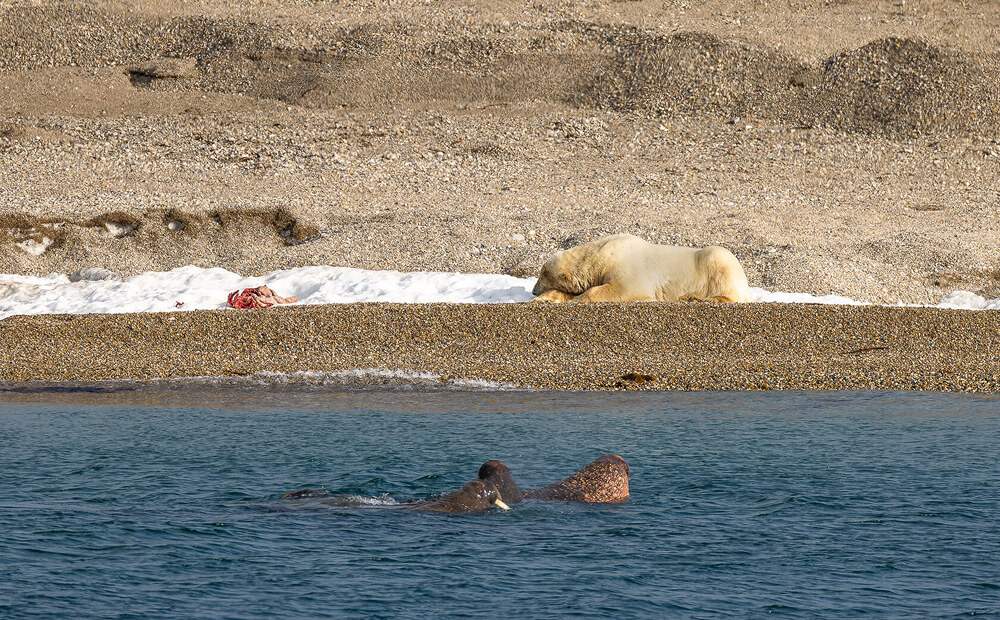
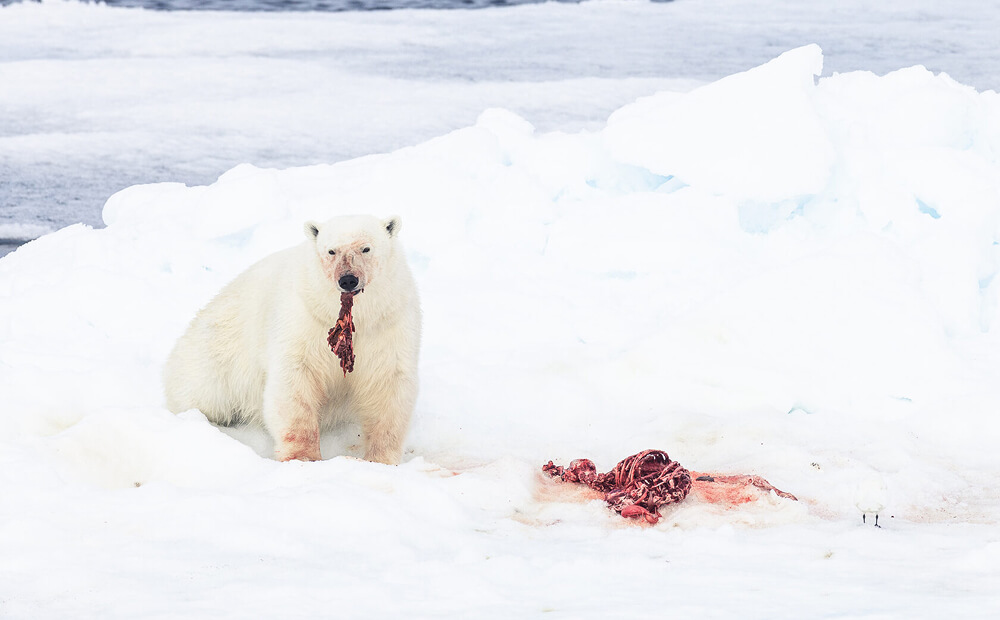
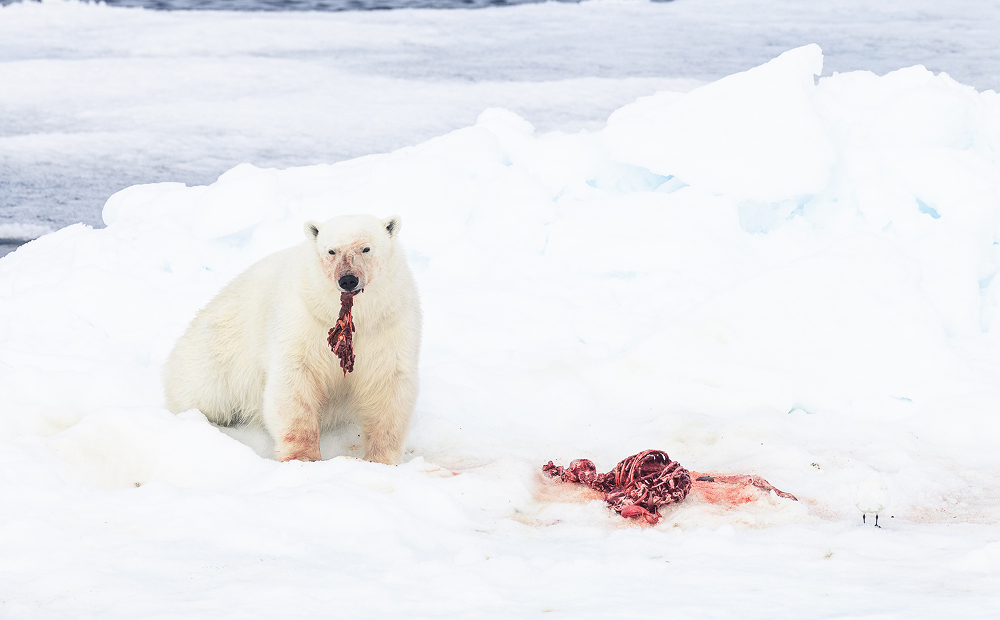
— Yes, and we experienced it together. It was during our day in the pack ice. A polar bear appeared in the distance. We stopped the ship — just drifting. Complete silence. We watched the bear — quietly, respectfully — as it feeded on the remains of a seal, certainly a recent kill. It started to feed. Slowly. Carefully. No noise. No rush. We didn’t move the ship. We just watched from a distance, with binoculars. And then — after a while — it stopped eating, looked up into the distance… and walked away. Not because we were there. Not because we disturbed it. But because it caught another scent, he went to find a seal. He had his own reasons.
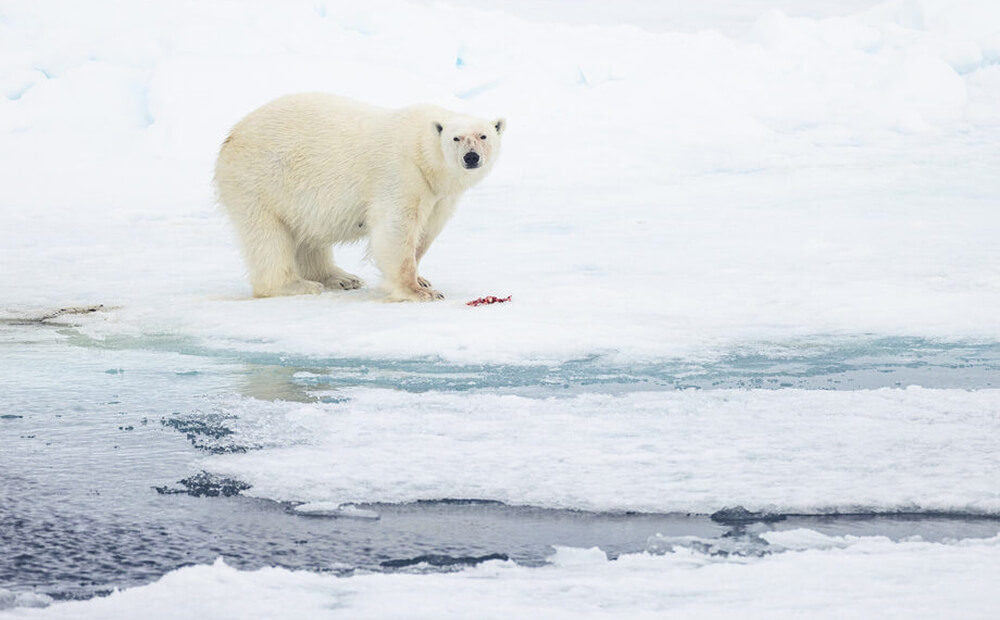
We saw the bear. I was on the bridge, observing its behaviour. We saw that the bear was just having its meal and it's very unlikely to stop because the meal is very important for bears. Maybe once it looked at us, just raised the eyes from the meal. Then it finished eating and - at this moment - it smelt something. With the binoculars we could see it hunt some other seals in the distance. So it didn't leave because of us. It lived its life as usual, behaved naturally. And that's what we want to achieve in these expeditions — not to disturb, but observe and respect the nature.
— What did you feel in that moment?
— That we had done it right. That we had been present, but not intrusive. That we had witnessed something natural, without altering it. That is rare. That is the dream. That’s why I do this.
— Was everyone on board aware of the significance?
— I think so. There was this reverent silence. Nobody ran or overreacted. Nobody screamed “bear!” People just… watched. And when the bear walked away, it felt like we’d shared something sacred. It was a confirmation. That humility is the only way to be in the Arctic. That we are not the centre. That we’re the guests. And if we’re lucky — really lucky — the Arctic lets us see a little bit of its soul.

Трасты помогают превратить хаос в порядок, снизить риски и защитить то, что вы создавали годами. Но как разобраться в сложной системе, избежать ошибок и выбрать оптимальное решение именно для вас? На онлайн-семинаре «Вестника Кипра» вы сможете подробно рассмотреть один из самых эффективных инструментов управления капиталом, сохранения активов и уверенного планирования будущего семьи и бизнеса.
«Траст может сделать богатство инструментом добра, а не жадности»
Это цитата из начала ХХ века, слова принадлежат самому богатому человеку того времени Эндрю Карнеги. Использование траста для благотворительности – весьма распространённая практика. Учредитель благотворительного проекта получает гарантию того, что переданное имущество и деньги будут использоваться исключительно в тех целях и для тех бенефициаров (будь то, например, неимущие или животные), которых он определил в декларации траста. И что никто не сможет изъять имущество из траста ни под какими предлогами.
«Траст — это способ защитить активы от рисков и хаоса»
А это уже цитата нашего времени. Миллиардер Михаил Прохоров, как и большинство создателей современных бизнес-империй, подчеркивал, то актуальность и универсальность трастов не снизилась с годами. Законодательство о трастах развивается, опираясь на универсальные незыблемые принципы, как например: разделение юридического и бенефициарного права собственности, фидуциарная обязанность доверительного собственника, защита активов от претензий кредиторов или доверительного собственника, независимость от личных обстоятельств, гибкость управления.
«Трасты дают вам контроль сегодня и безопасность завтра»
Этими словами Ричарда Брэнсона, основателя Virgin Group, включающей около 400 компаний различного профиля, можно завершить статью и пригласить вас самим разобраться в том, как использовать трасты на благо ваших близких и бизнеса.
«Траст: инструкция по применению для семьи и бизнеса»
Онлайн-семинар с Михаилом Соболевым — специалистом по структурированию бизнес-групп и управлению капиталом. Модератор – Наталия Кардаш.
Что вы узнаете:
Почему стоит присоединиться:
Дата и время: 3 сентября, 15:00
Формат: онлайн-встреча
Регистрация: https://forms.gle/TxS71YCghYo39wzBA
Стоимость: 50 евро. Для членов уровня Vestnik Premium – 25 евро.
Важно: Михаил и Наталия не продают трасты, не предлагают свои услуги по их созданию. Они – консультанты, прожившие на Кипре по 26-30 лет, которые могут помочь спокойно и досконально разобраться в теме. Присоединяйтесь!

Have you ever dreamed of finding yourself in a place where time loses its meaning and you feel like a tiny part of grand and harsh nature? The polar regions of our planet are exactly such a place. This article opens a series about the journey of the Editor-in-Chief of Successful Business Magazine Natalia Kardash to the Arctic. But you may ask: how is the Arctic connected to Cyprus?
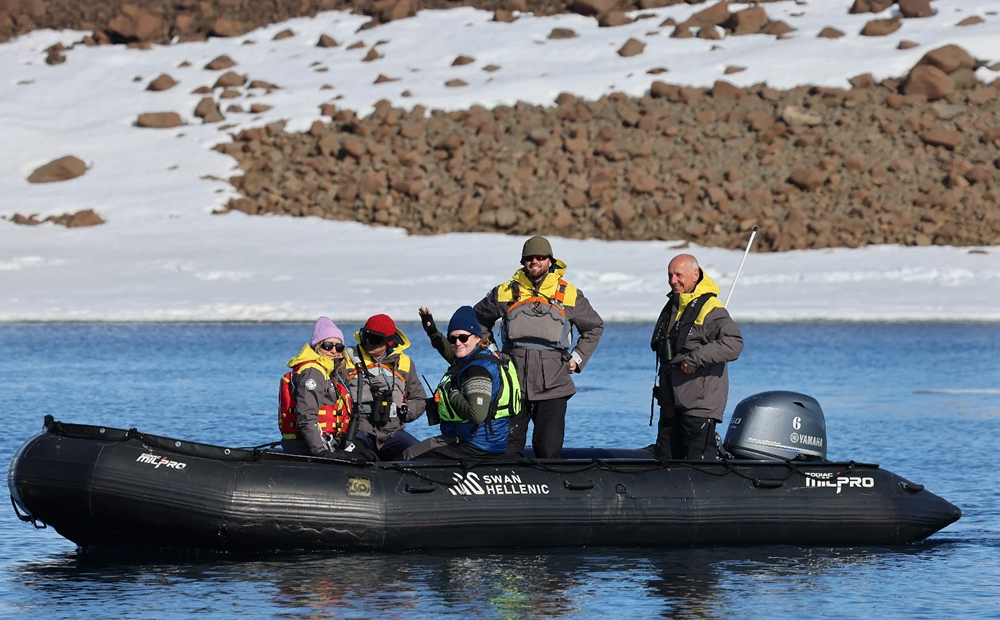
Quite simply: a company that owns three vessels built specifically for expeditions to polar regions is registered here. This summer, I was invited aboard Swan Hellenic’s expedition cruise ship SH Diana. I want to tell you how everything is organised, because polar cruises are very different from ordinary ones.
The region – and indeed the entire organisation of an Arctic expedition – impressed me so much that I ended up doing far more than I had intended. I prepared a series of interviews, explored the history of the Arctic, learned about the lives of polar birds, and delved into the specifics of expedition cruising.
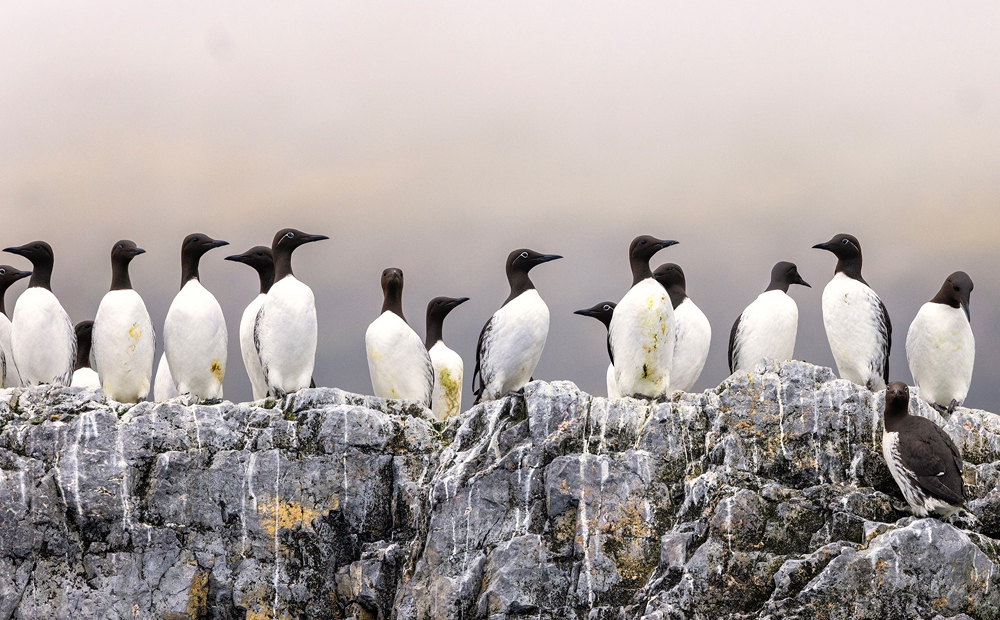
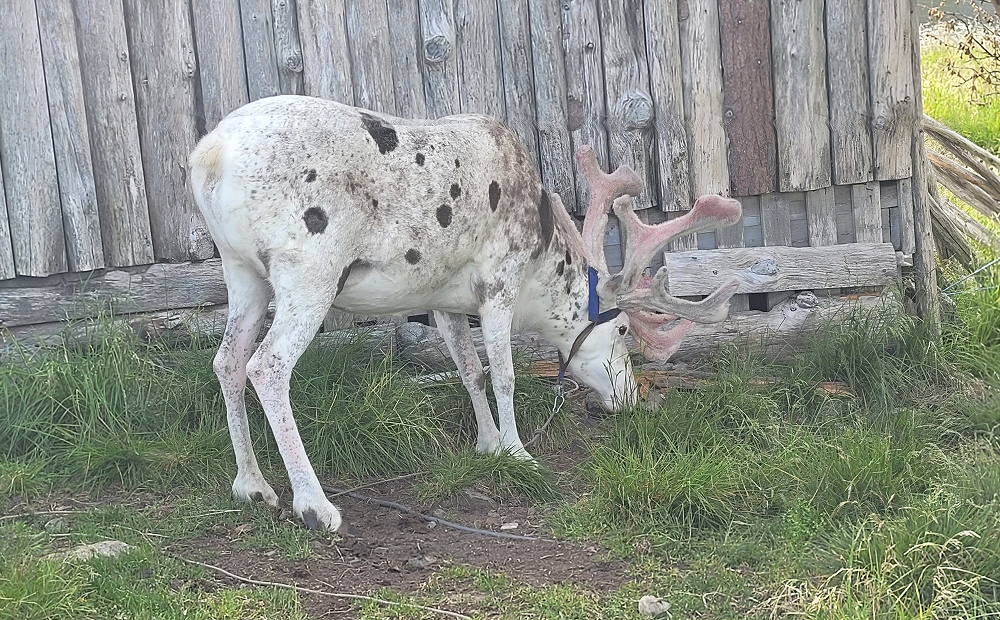
In August, there is not much news in Cyprus, so we will be entertaining you with stories and breathtaking Arctic landscapes. I was also sent professional photographs of the birds and animals we encountered (taken with powerful zoom lenses, sometimes with drones, sometimes from the shore – very different from my own amateur shots taken on a phone). I will be happy to share them. And the four photos below are mine – no filters, no special equipment, just quick snapshots to keep the memory of the beauty that surrounded me.
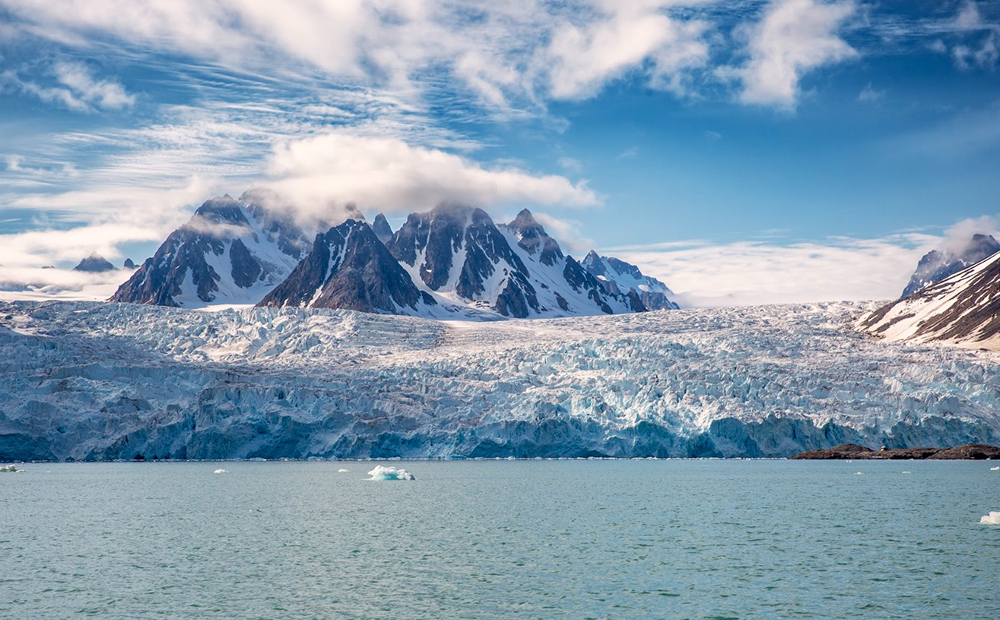
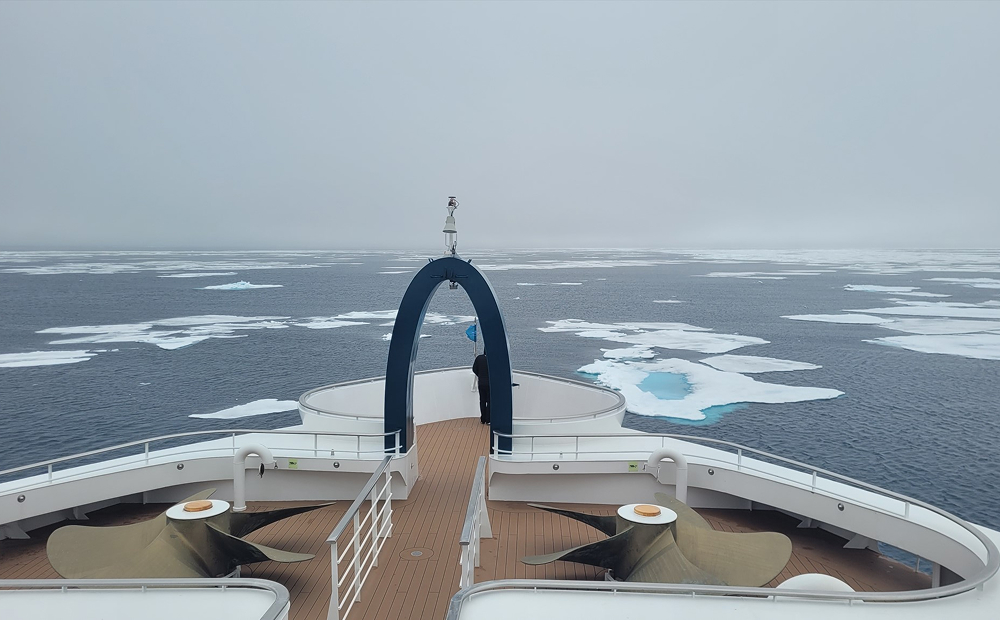
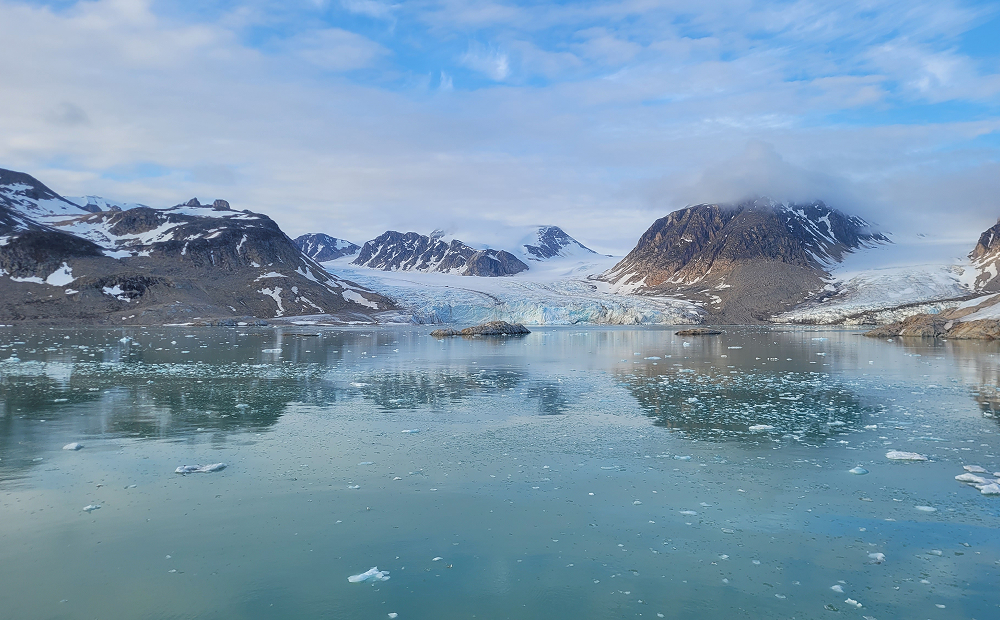
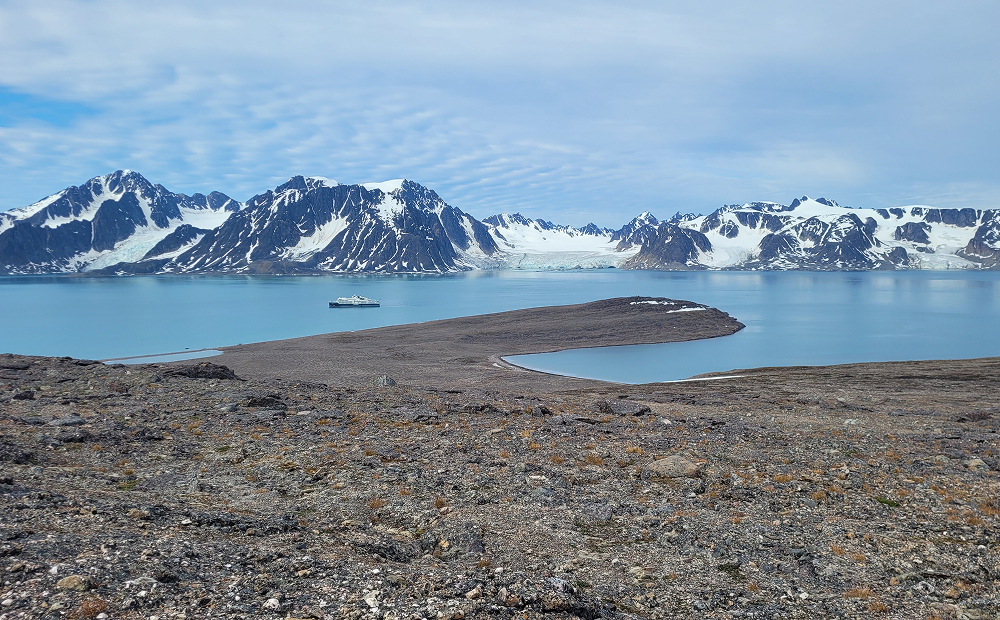
I have been on cruises before – it is my favourite kind of holiday. But the summer expedition with Swan Hellenic was an opportunity not only to “see the end of the Earth” with my own eyes, but also to discover a special type of travel – inspiring expedition cruises, where the focus is not just on leisure, but on deep immersion into the nature and culture of unexplored regions.
Amazing Facts About One of the Harshest Corners of the Planet
On the island of Spitsbergen, there is one main rule you cannot forget: you may only leave the settlements with a loaded rifle. This is due to the danger of encountering a polar bear. Warning signs about bears can be seen everywhere. Passengers of cruise ships are accompanied by armed bear guides – “polar bear guards.”
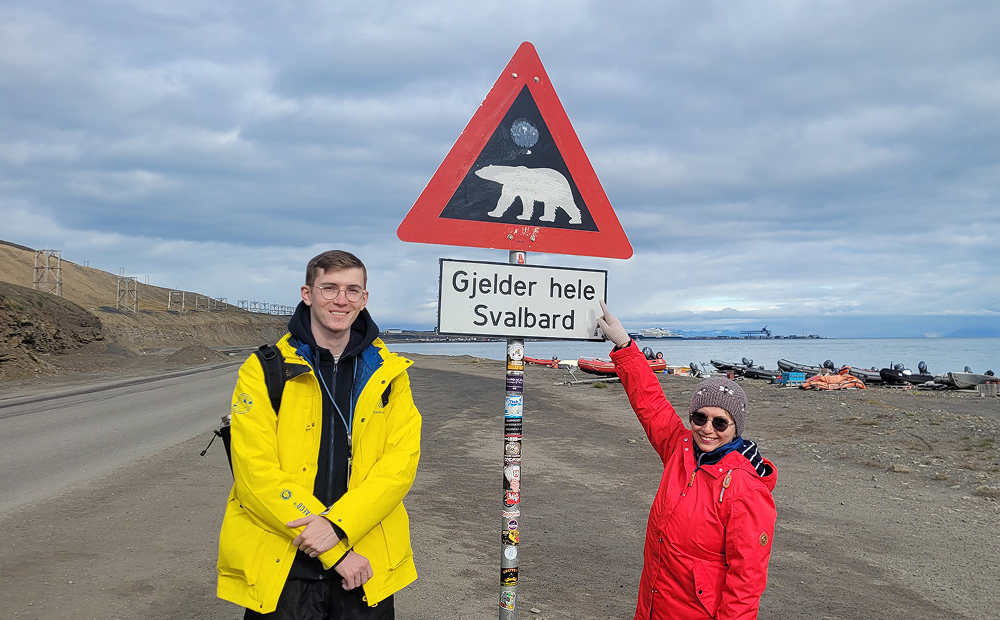
In the photo: a sign marking the border of Longyearbyen, the administrative centre of Spitsbergen island and of the entire archipelago, now known as Svalbard.
Another unique feature of life here is the light cycle. In summer, the Arctic is ruled by the polar day – the sun never dips below the horizon, and it feels as if the clock has stopped. It’s a strange yet fascinating sensation: you lose all sense of time and find yourself in a state of constant wakefulness and curiosity. I was so absorbed in everything around me that I hardly noticed how quickly I adapted to this unusual rhythm of day and night.
Photo below: I was walking from the Observation Lounge to my stateroom – it was time to go to bed according to the clock. Midnight. Yet the sun was shining brightly in a blue sky. I stepped outside the door to take this picture.
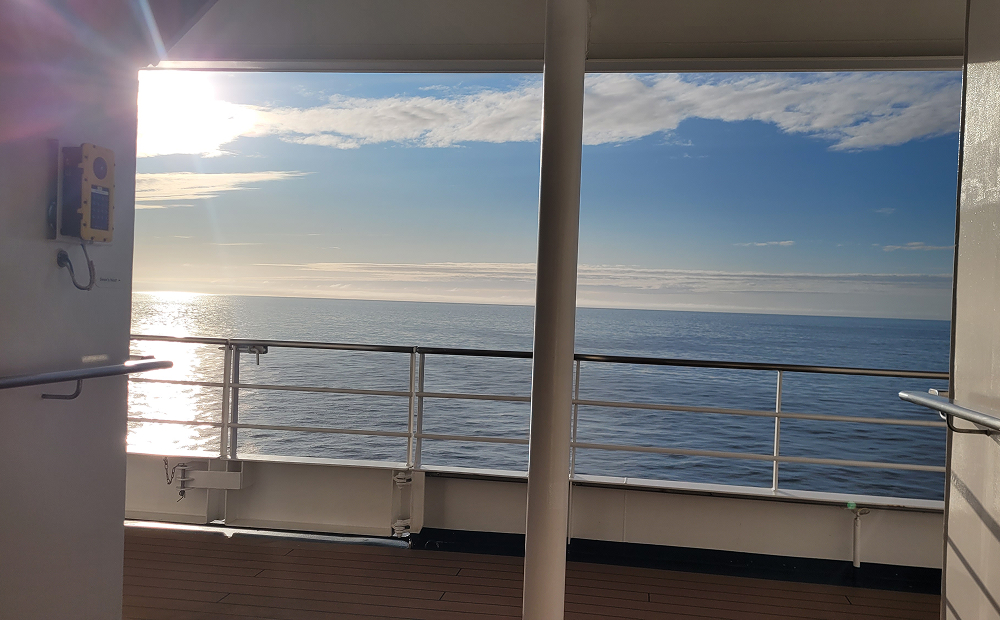
In summer here, the sun never sets below the horizon, while in winter, by contrast, months of darkness reign. These extremes create a remarkable balance of life: plants and animals have adapted to the harsh conditions. Polar bears, whales, walruses, and reindeer live in an environment where humans seem only temporary guests.
All the photos in this article are from our cruise, including those I took myself.
A Series of Articles and Interviews
It took me more than 100 working hours (after returning to Cyprus) to write the texts, select the photos, create this page on my website, and link all the interviews and articles. That is how my holiday goes. I do it gladly, looking forward to sharing this unique experience with you. I believe that – if you have the chance – you should definitely see the unique nature of the Arctic regions in person. Until then, at least take a look through my eyes.
In the following articles, I will tell you:
1. How expedition ships are organised, what the daily routine is like on board, who works there, what they do, and how to get a job on such a vessel. I interviewed the captain, the hotel director, the chief engineer, and members of the expedition team.
2. What makes the Arctic unique from the perspectives of geography, zoology, and history. How many people live on the island of Spitsbergen, why it is possible to live there but not die, and why the archipelago now has a different name, while the authorities are constantly tightening the rules of conduct on the islands.
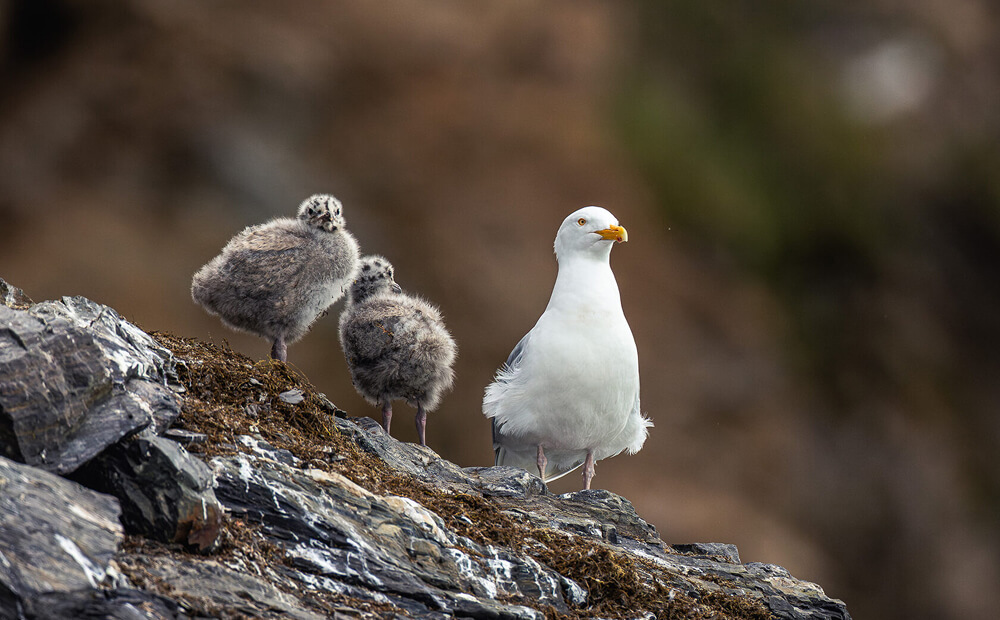
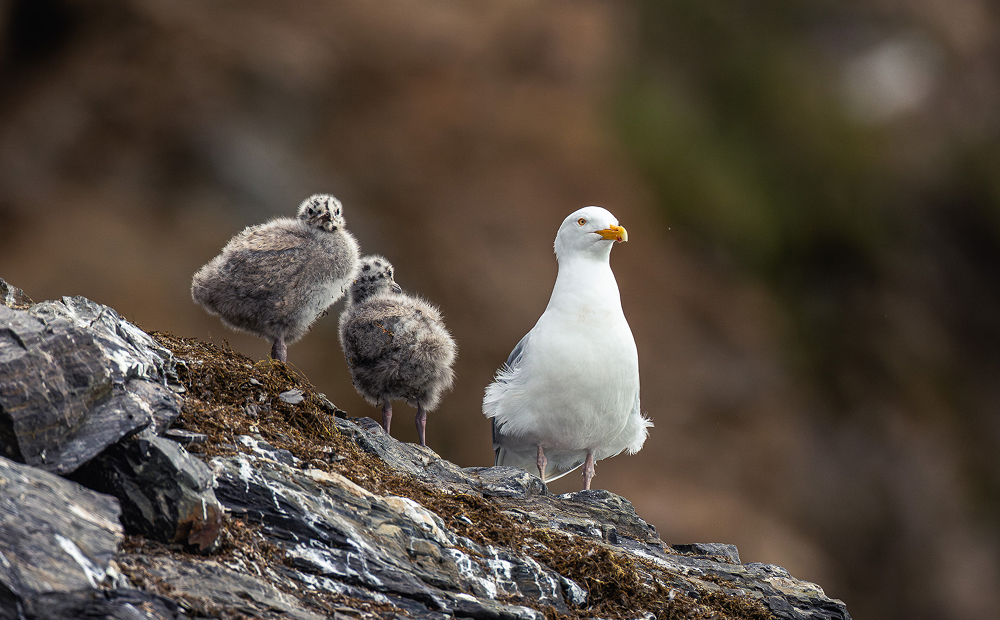
3. The special characteristics of polar birds (I will tell you how they survive in the cold and raise their young). I learned that there are birds which – due to their annual migration – travel over their lifetime a distance equal to three trips to the Moon and back. Can you imagine?!
4. And finally, I will share all the interviews with you. I met some extraordinary people! For example, can you picture someone who has spent 365 days in a hut on Spitsbergen, crossed Greenland on foot using a kite, walked hundreds of kilometres across a desert in Saudi Arabia making unique discoveries there, and is now planning to kayak over 3,000 kilometres solo along the coast of Oman? Well, I had the chance to ask him about all of these adventures. You will be able to read that interview in one of the upcoming days.
Natalia Kardash

В июле 2025 года на Кипре был зафиксирован самый низкий годовой уровень инфляции среди стран еврозоны. Потребительские цены выросли всего на 0,1% в годовом исчислении. Данные приводит Евростат.
По всей еврозоне годовая инфляция оставалась стабильной на уровне 2%, не изменившись с июня. Среди государств сообщества самые высокие показатели инфляции в июле были зафиксированы в Эстонии (5,6%), Хорватии (4,5%) и Словакии (4,5%), а самые низкие ― на Кипре (0,1%), во Франции (0,9%) и Ирландии (1,6%).
Основной категорией товаров, повлиявшим на инфляцию в еврозоне в июле, стали продукты питания, алкоголь и табак, которые выросли в цене на 3,3% в годовом исчислении (в июне +3,1%). За ними следовали услуги, подорожавшие на 3,1%, и неэнергетические промышленные товары, подорожавшие на 0,8%. Цены на энергоносители продолжали снижаться дефляционными темпами ― на 2,5%.
Базовая инфляция в еврозоне, которая не включает энергоносители и необработанные продукты питания, в июле составила 2,4%, что говорит о некотором замедлении инфляционного давления на основные компоненты потребительской корзины.
В июне годовая инфляция на Кипре составляла 0,5%. Месячная инфляция на Кипре была равна 0,4%.
Уровень инфляции в 0,1%, который показал Кипр, означает почти полную ценовую стабильность. Для жителей страны это выражается в том, что повседневные товары и услуги дорожают минимально, покупательная способность зарплат и пенсий сохраняется, а планировать семейный бюджет становится проще. Это также снижает давление на ипотечных и кредитных заемщиков, ведь при столь низкой инфляции нет предпосылок для резкого повышения процентных ставок. Вместе с тем столь низкие темпы роста цен могут указывать на слабый внутренний спрос, что способно сдерживать экономическую активность, хотя для экспортеров это создает конкурентное преимущество за счет относительно более стабильных цен.
Для всего ЕС эта ситуация подчеркивает серьезный разрыв в инфляции между странами — от 0,1% на Кипре до 5,6% в Эстонии. Это усложняет задачу Европейского центрального банка, вынужденного определять единую процентную ставку для очень разных экономик. Для стран с высокой инфляцией такая политика может казаться слишком мягкой, а для стран с низкой — слишком жесткой.
По материалам Cyprus Mail
Читайте также:
Климатический кризис ударит по бюджету Кипра
Центробанк: анализ экономики в цифрах

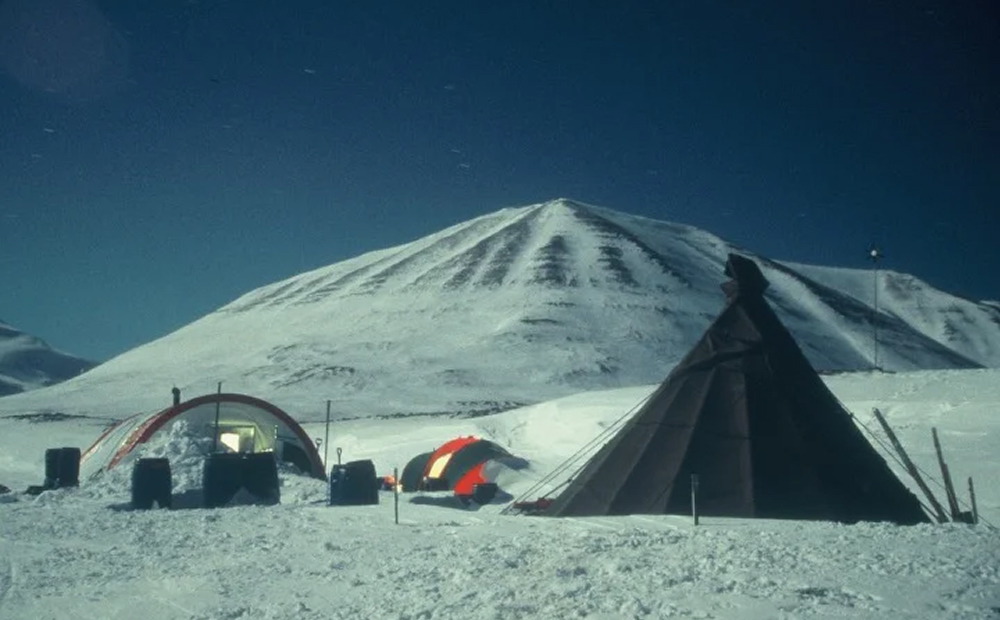
He spent a year on Svalbard in an Arctic tent, explored Greenland with just skis and a parachute, and discovered lost relics from historic expeditions. Now a guest lecturer aboard Swan Hellenic, Mark Evans inspires travellers with a profound passion for the icy wilderness, inviting us to understand, admire, and protect one of Earth's last great frontiers.
700 days in the Arctic: tent on Svalbard, parachute on Greenland
Mark, how did your fascinating connection with the Arctic begin?
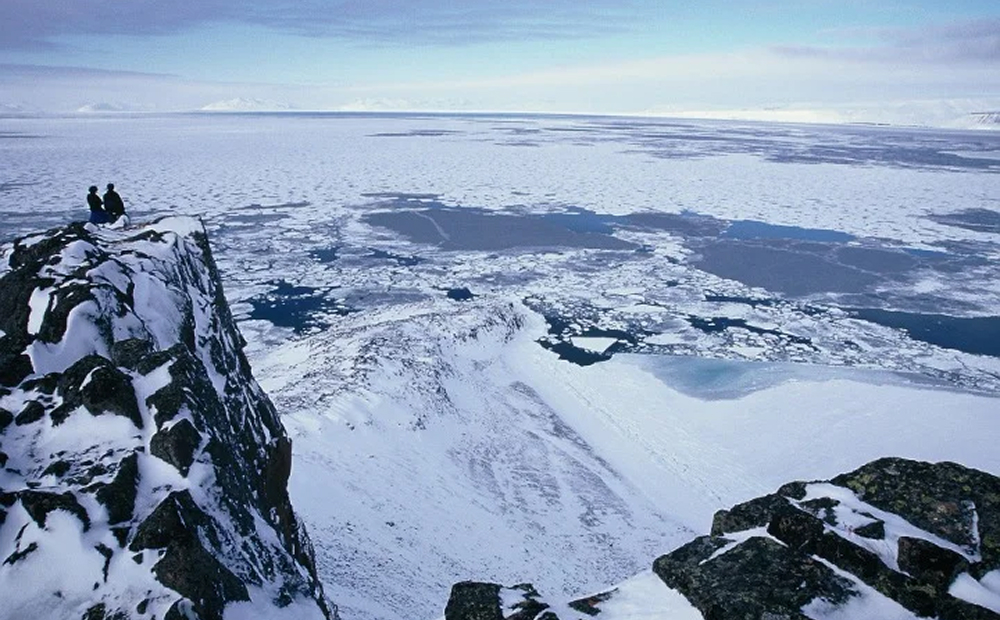
It started in my twenties. Since then, I spent significant time in the Arctic, especially on expeditions to Svalbard. Most of these involved young people, brilliant minds eager to collect scientific data on environmental and biological phenomena. In total, I've spent around 700 days in the Arctic, 365 of them I lived in a tent on Svalbard — immersed completely in Arctic nature. When you live that way, you become deeply attuned to the landscape and the extraordinary life here.
Tell us about crossing Greenland using a parachute—how did that even work?
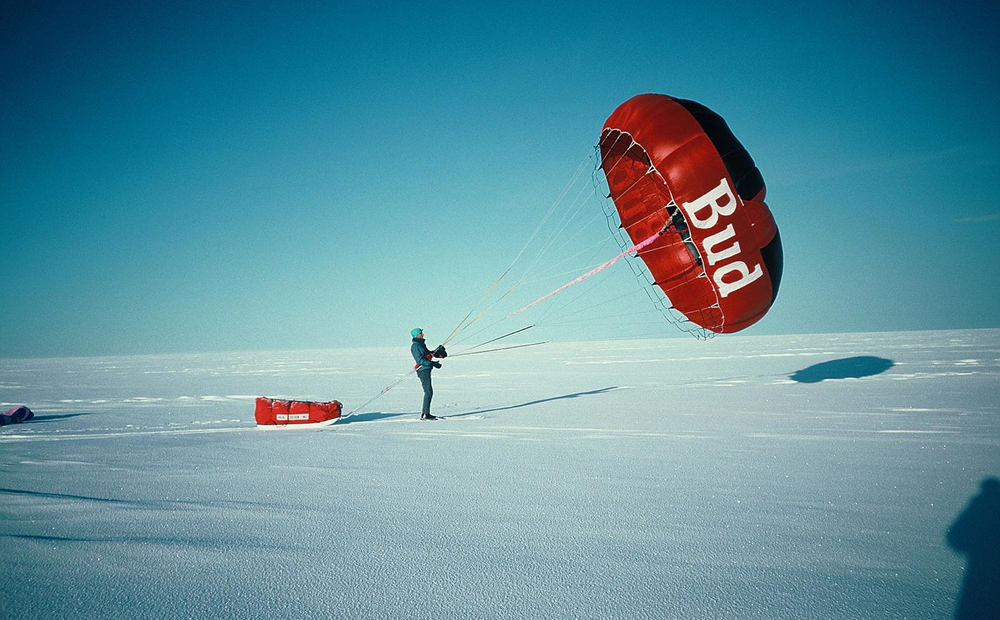
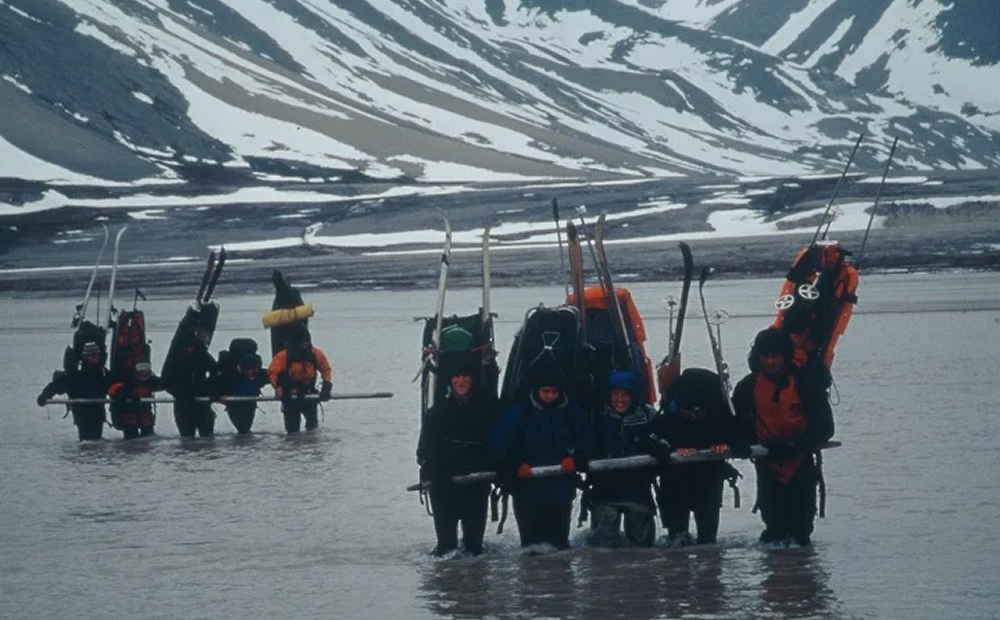
(Laughs) It sounds unusual, doesn’t it? About 20 years ago, just two of us crossed Greenland from east to west on skis, pulling sleds. The parachute was clipped to a harness around my waist. It acted like a sail, skimming across the ground. It was fantastic—well, except that the person I bought it from claimed the wind always blows from east to west in Greenland, which of course it doesn’t. So only two out of 26 days we had wind in the right direction. But on those two days, we covered over 120 miles, just gripping those parachutes. It was incredible.
Buried in Stone, Sealed in Time
You also led expeditions into the legendary Northwest Passage. What was most memorable about those trips?
One time, we followed in the footsteps of William Edward Parry, a British explorer who nearly completed the Northwest Passage in 1820. His ship became trapped in ice as winter approached. Back then, explorers built rock cairns—huge stone markers—leaving messages inside metal canisters, so anyone following would know their fate.
On an uninhabited island, after days retracing Parry’s diary steps, we found one of these cairns. Inside was a metal canister. It turned out we weren’t the first—a Canadian explorer had discovered it decades earlier, but kindly left a copy of the original message inside. We were only the second people to open it in over a century. That moment was electrifying.
Darkness, Silence, and Light: Hidden Truths of the Arctic
Having spent so long in the Arctic, could you share some lesser-known facts about this region?
Certainly. One thing people misunderstand is the total darkness of Arctic winters. Many assume it’s depressing, linked with seasonal affective disorder. But for me, that darkness was incredible, adding a profound dimension to the landscape. During three months of total darkness, the moon never sets—it shines brightly on the snow, creating beautiful, ethereal illumination. Your eyes adapt quickly, making travel easy even at night. And above, you have the aurora—a breathtaking natural spectacle. Swan Hellenic deliberately chooses September for trips to Greenland and the Northwest Passage precisely to showcase these incredible northern lights.
Another thing people don’t realise is that the Arctic—especially Svalbard—is essentially a desert. A desert is defined as a place with less than 250 millimetres of rainfall a year—and that applies to Svalbard just as much as it does to Arabia. Probably even to Cyprus nowadays, with global warming. During one year-long expedition on Svalbard, this fact caught us completely off guard. By September, snow had vanished, leaving no fresh water. We ended up sending groups to glaciers kilometres away to chip ice into backpacks just to melt it for tea. That struggle vividly showed me the Arctic's desert reality.
Lastly, Arctic summers are surprisingly brief. Most wildlife migrates south, leaving the region almost lifeless for months. Cliffs bustling with thousands of seabirds become eerily silent until mid-May, when life returns explosively—but only until mid-August. It’s a fleeting, extraordinary cycle.
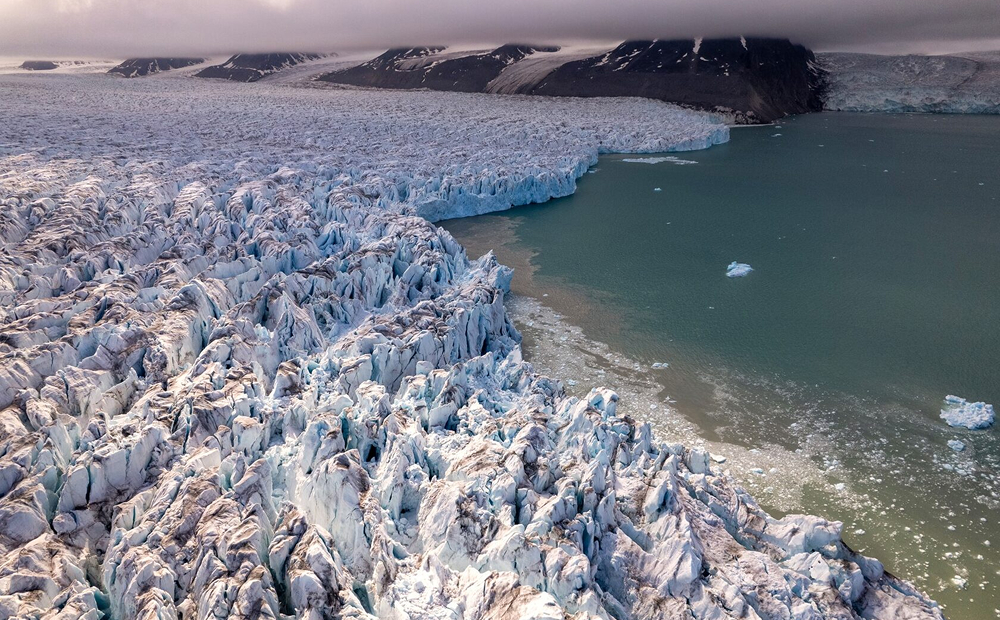
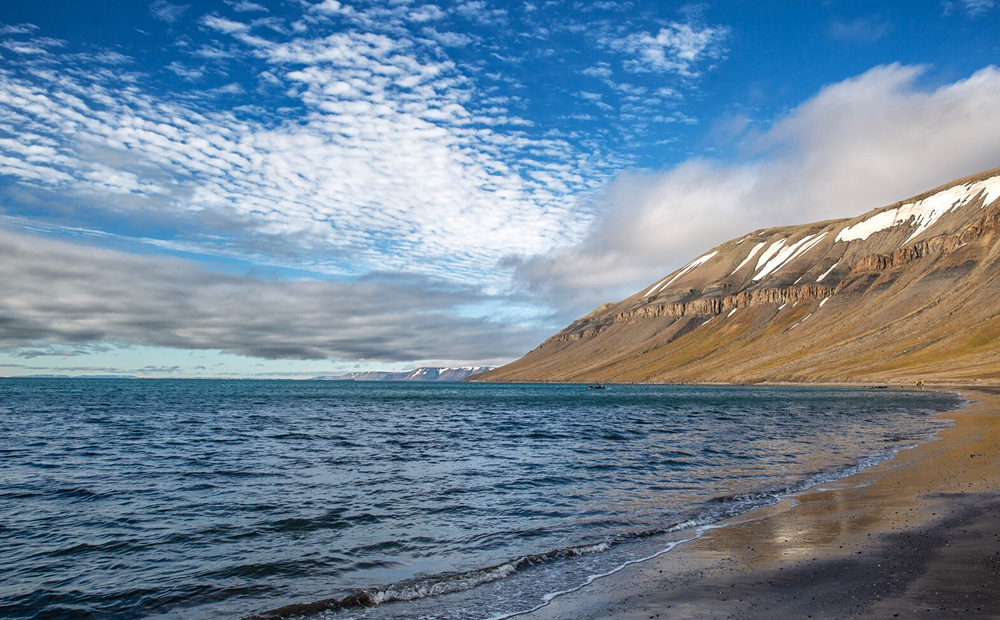
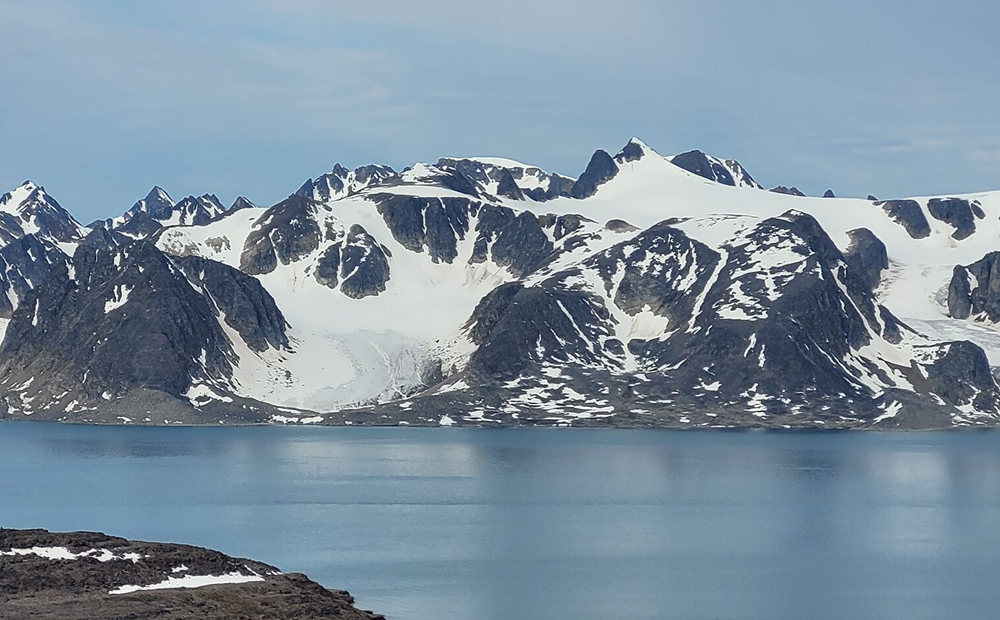
You Don’t Conquer the Arctic. You do what the Arctic lets you do
How do you practically survive such extreme conditions, especially during your year-long expedition?
Preparation is everything. Honestly, surviving Arctic conditions isn't difficult if you plan well. Arriving in summer helps your body adapt gradually—temperatures are around four or five degrees Celsius initially, which is comfortable. By winter, as temperatures drop significantly—down to minus 37.5°C in March—you've already acclimatised. Good equipment and meticulous planning make it manageable.
Interestingly, I genuinely believe it’s safer living in the Arctic for a year than crossing busy streets in London or Nicosia!
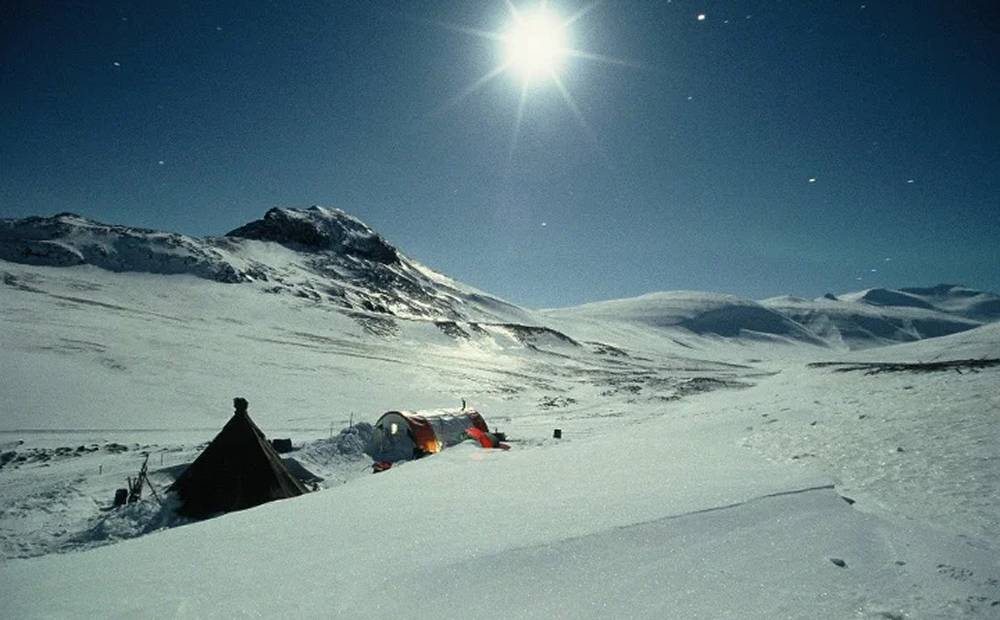
And what did you do all day, for 365 days?
We did scientific research. There are scientists up here, but Svalbard is huge. And there are only two or three scientists working in the entire region. Other scientists in many other countries are desperate for data. They need people to record temperatures, note animal behaviour, gather information that helps us understand what’s going on up here.
So we helped. We were their extra eyes and ears.
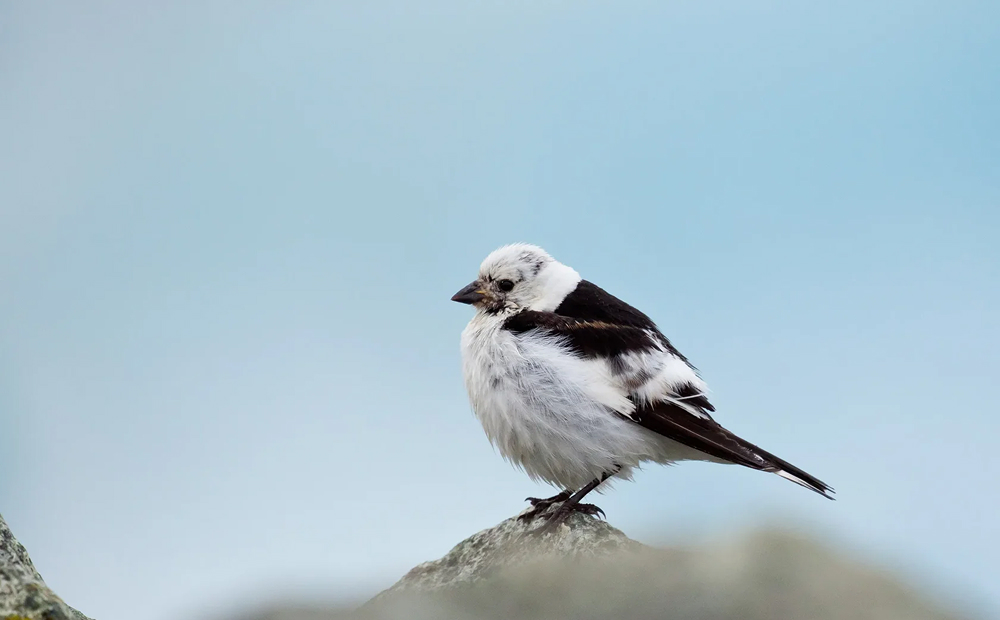
For example, there is only one bird that sings on Svalbard—the snow bunting, this little black-and-white thing. It arrives in May, and as soon as it lands on the rocks, suddenly the silence of the Arctic is broken by birdsong. It’s like having a canary in the landscape. Beautiful. Every singer is a male—because it has to mark the territory and try to impress the females when they arrive.
So we’d record their songs, count how many different ones we heard in a square kilometre, and then study whether birds near the coast sing louder because of sea noise, compared to those in quieter mountain areas. Fascinating stuff.
We also watched seals on the ice—in March and April, you could see 300 or 400 of them lying there. We tried to determine whether they lay in particular orientations relative to the sun. Do they turn as the sun moves across the sky? Turns out, they don’t. But no one knew that before.
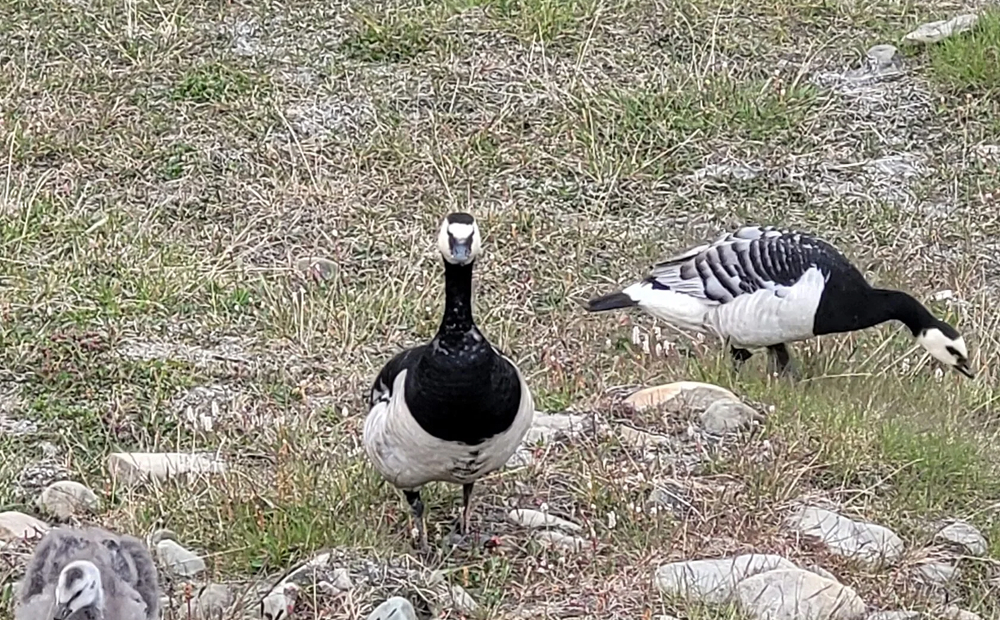
And then there is the barnacle goose—black and white. They nest on cliffs, hundreds of metres high, to avoid foxes. But their chicks can’t fly. So how do they get down to the safety of the sea?
We didn’t know. So we spent thousands of hours observing. First, we had to find the nests, set up a telescope to monitor them, then build a hide, a little shelter where we could lie inside for hours at a time, taking notes every 15 minutes to record what was happening.
When the chicks hatched, we watched—because they only stay on that little ledge for about a week. Then, suddenly, they just... jump.
They tumble down the cliff—bang, bang, bang—bouncing off the rocks. At the bottom, a fox waits, ready for breakfast. It’s heartbreaking. The survival rate is very low. Of six eggs, maybe only two chicks will make it to adulthood. The rest get eaten by foxes, gulls, or get trapped in the cracks between rocks.
It’s hard to witness—but it’s also amazing. You’re gathering new data, helping to fill the gaps in what we know about Arctic wildlife.
So everything was planned in advance? Based on scientific needs?
Yes—partly on what the scientists needed, and partly on what the Arctic allowed.
You don’t conquer the Arctic. I know newspapers love that word—“conquering Everest” or “conquering the Arctic”—but it doesn’t work that way. You do what the Arctic lets you do. If there’s a hurricane, you do nothing but pray your tent doesn’t blow away. But when the weather is good you do everything you can to explore the region.
And there's just so much valuable data to be gathered—data that helps us understand climate change, ecology, and wildlife behaviour. So having reasonably educated eyes out here makes an enormous difference to the scientific community.
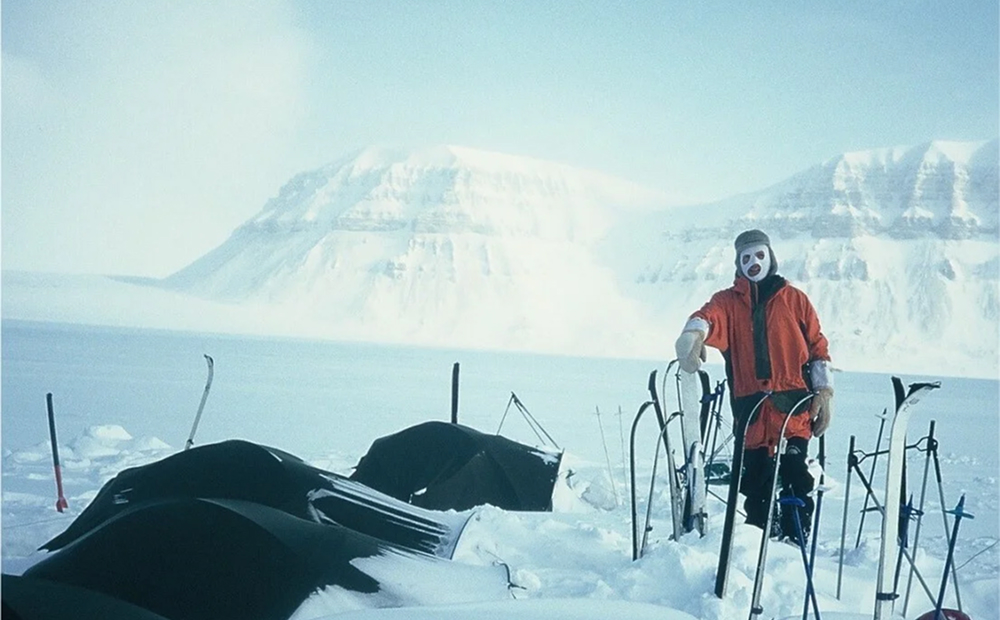
Not Just a Cruise — a Mission to Protect the Arctic
Why did you chose Swan Hellenic? What makes these cruises special compared to others?
Exploration cruising, for me, is cruising with purpose. Swan Hellenic isn't about getting a tan and eating gourmet meals—though the food and hospitality are truly fantastic. People on board come with genuine curiosity, eager to understand something new. They return home as ambassadors for the Arctic, motivated to protect this fragile, rapidly changing environment.
If even a fraction of our guests take meaningful action—donating to conservation, raising awareness—then my work is worthy. Swan Hellenic combines comfort, intellectual engagement, and environmental passion beautifully. Being part of this inspires me endlessly.
What's your greatest hope for these Arctic expeditions?
To inspire understanding and action. You can't care for what you don't know. But once you experience the Arctic—its beauty, its harshness, its fragile ecology—you can't help but feel responsible. My greatest joy is seeing guests depart not only amazed but committed to protecting this incredible place. That’s what meaningful exploration truly is.

Цены на студенческое жилье стремительно растут во всех городах, при этом нехватка доступных вариантов очевидна. Стоимость квартиры варьируется от 500 до 1500 евро в зависимости от города и размеров жилой единицы. О ситуации на рынке студенческой недвижимости рассказал представитель Кипрской федерации студенческих союзов (ПОФЕН).
По данным организации, сегодня Университет Кипра располагает 208 койкоместами в Агландже, ТЕПАК ― 250 койкоместами в Лимассоле. Еще 250 койкомест предоставлены студентам государственных и частных вузов в общежитии в районе Агия Фила (общежитие принадлежит Кипрской Православной Церкви). В Пафосе для студентов ТЕПАК есть 150 койкомест. Однако во всех общежитиях приоритет отдают первокурсникам, поэтому начиная со второго курса проблема поиска жилья встает перед студентами в полный рост.
Председатель ПОФЕН Константинос Карсерас рассказал, что предложение на рынке студенческой недвижимости сокращается, а спрос растет. Госвузы заявляют о намерениях построить новые общежития, и это внушает оптимизм. Однако в реальности строительные проекты часто задерживаются. В ТЕПАК новое общежитие на 300 мест будет сдано только в октябре 2026 года. Университет развивается, привлекая все новых студентов, и старые планы по вместимости общежитий быстро становятся неактуальны.
В ТЕПАК студенческая квартира с одной спальней стоит 350 евро в месяц, с двумя спальнями ― 500 евро, с тремя спальнями ― 600 евро. Вуз предлагает пособие на оплату жилья студентам, чье положение соответствует определенным финансовым критериям. Это пособие составляет 2500 евро за 10 месяцев обучения. В ТЕПАК, как и в Университете Кипра есть отделы по социальному благополучию студентов, которые также предлагают ежегодные стипендии определенным категориям учащихся.
В Пафосе действует соглашение о сотрудничестве между муниципалитетом и ТЕПАК, которое предусматривает предоставление в распоряжение вуза 150 квартир-студий. 100 студий предоставляются по льготной цене в размере 350 евро для студентов из уязвимых групп населения, 50 студий ― по цене 550 евро в месяц.
В Лимассоле ТЕПАК также создал сеть студенческого жилья, которое вуз арендует у частных домовладельцев и сдает по доступной цене. За последние два года сеть обслужила более 500 учащихся. Благодаря ей можно найти квартиру по цене от 400 евро.
Рыночные цены на доступные студенческие квартиры в Лимассоле сегодня составляют 600-880 евро за квартиру с одной спальней, 1100-1300 евро за квартиру с двумя спальнями и 1300-1500 евро за квартиру с тремя спальнями.
В Пафосе стоимость жилья с одной спальней составляет 600-700 евро, с двумя спальнями ― от 750 до 1000 евро, а с тремя спальнями ― от 1100 до 1500 евро.
В столичном районе Агланджа недалеко от Университета Кипра арендная плата за апартаменты с одной спальней колеблется в пределах 500-700 евро, а за студии ― в пределах 500-650 евро. Цены на апартаменты с двумя спальнями находятся в пределах 650-750 евро. В непосредственной близости от университета строятся новые многоквартирные дома, в которых, как ожидается, будет дополнительно 350 студий и апартаментов с одной спальней.
Стоимость проживания в общежитии Университета Никосии в районе Энгоми составляет 700-800 евро. Из-за того, что в этом вузе также учится большое количество студентов из третьих стран, предложение очень ограничено. Цена квартиры с одной спальней в близлежащих районах составляет 700-800 евро.
По материалам издания «Политис»
Читайте также:

Гостиничный сектор столкнулся с серьезными вызовами. Посреди туристического сезона сотрудники отелей грозятся выйти на забастовку, если компании не будут выполнять условия коллективных соглашений. От разногласий не застрахованы ни крупные отели, ни маленькие предприятия.
Директор Департамента трудовых отношений Андис Апостолу выразил надежду, что к концу недели в переговорах между его ведомством, отелями и профсоюзами будет достигнут положительный результат. Он позволит избежать трудового конфликта в разгар туристического сезона.
Переговоры шли непрерывно в течение последних нескольких дней. В результате три компании из четырех пошли на уступки в вопросе выполнения коллективных соглашений. «В ближайшие несколько дней может быть найдено решение, которое позволит избежать забастовок. Однако с одной из компаний консультации все еще продолжаются. Надеюсь, что в ближайшие дни у нас будут положительные сдвиги и в этом вопросе», ― отметил Апостолу. В то же время он признал, что на этом проблемы сектора не заканчиваются. Есть опасения, что забастовку могут начать работники небольших гостиничных единиц.
Генеральный секретарь профсоюза работников публичных заведений и гостиниц СИКСКА-ПЕО Неофитос Тиминис подтвердил, что на данный момент решение о проведении забастовки в гостиницах трех компаний заморожено. Перспектива забастовки остается открытой только для четвертой.
Согласно данным профсоюзов СЕК и ПЕО, число пострадавших сотрудников составляет около 10 000, то есть одну пятую всех занятых в гостиничном бизнесе. Профсоюзы требуют выплаты заработной платы и пособий работникам на основании коллективного договора, который был подписан в декабре 2024 года. Несоблюдение коллективных соглашений в вопросе выплаты единовременного пособия, предусмотренного соглашением, и повышении заработной платы касается примерно трети всех сотрудников гостиничной индустрии.
Напомним, в конце июля вступил в действие закон, принятый ранее в этом году с подачи Минтруда, согласно которому работники гостиничного сектора должны получать тринадцатую зарплату в обязательном порядке.
По материалам StockWatch и Economy Today
Читайте также:
Киприоты работают больше, чем европейцы
Горные отели привлекают иностранных инвесторов

Кипрские аэропорты ежедневно принимают 55 000 местных путешественников и иностранных туристов, прибывающих на Кипр или отбывающих в различные пункты назначения. Август этого года, как ожидается, станет лучшим месяцем за всю историю пассажирского авиасообщения на острове.
В среднем в августе в обоих аэропортах страны ежедневно будет выполняться 328 рейсов. В аэропорту Ларнаки запланированы 237 рейсов, в аэропорту Пафоса ― 91. Ежедневно через оба аэропорта проходят 55 000 человек: 39 000 в Ларнаке и 16 000 в Пафосе.
Пассажиропоток достигнет своего пика примерно в середине августа, в период с 13 по 20 августа. Количество рейсов в этот период будет составлять от 340 в день, 245 рейсов будут выполняться в Ларнаке и 95 в Пафосе. 17 августа станет днем, когда в аэропорты Ларнаки и Пафоса и обратно будет отправлено наибольшее количество рейсов.
Оператор кипрских аэропортов Hermes прилагает все усилия для бесперебойной работы инфраструктуры. Своевременно выявляются источники, которые могут привести к возникновению проблем, и сразу же принимаются меры по их устранению. Благодаря использованию технологических инструментов и систем для прогнозирования и мониторинга пассажиропотока Hermes в любое время может получить данные о числе пассажиров в каждой точке аэропорта и о том, где необходимо принять меры для более плавной работы.
Путешественники также могут получать обновление о статусе своего рейса через чат-бот. Для этого необходимо зайти на страницу прилетов/вылетов (для Ларнаки и для Пафоса), выбрать интересующий рейс и кликнуть на одну из трех иконок приложений, через который доступна информация (Х, Messenger или Viber).
«Количество авиакомпаний и их планы летать на остров демонстрируют их доверие к Кипру, ― сказала директор по развитию авиации, маркетингу и коммуникациям компании Hermes Мария Курупи. ― Наши усилия приносят плоды, и это видно из положительных результатов нашего проникновения на новые рынки, что влечет за собой увеличение пассажиропотока». Она добавила, что для того, чтобы извлечь выгоду из этой ситуации, важно также повысить спрос на рейсы в зимний сезон.
По материалам Сyprus Business News
Читайте также
Аэропорт Ларнаки признан одним из лучших в Европе
Устойчивый рост и новые горизонты кипрского туризма
Промежуточный отчет Финансового совета Кипра за 2025 год предупреждает, что в ближайшие годы правительство может столкнуться с расходами более 3,4 млрд евро из-за климатического кризиса и бездействия в выполнении своих обязательств.
В отчете подчеркивается, что задержка с принятием мер и отсутствие прогнозирования могут превратить проблему в серьезный источник финансовых расходов. Это будет иметь прямые последствия для государственных финансов. Совет призывает к немедленным действиям.
Авторы отчета особо обеспокоены неспособностью властей учесть последствия изменения климата в своих экономических планах. Необходимо полностью просчитывать потенциальные затраты, связанные с реализацией Национального плана в области энергетики и климата, цифровизацией и снижением физических рисков. Кроме того, авторы отчета призывают придерживаться более строгой позиции в отношении дополнительных бюджетов, которые остаются слабым местом финансового планирования, особенно в свете Рамочной стратегии экономического управления Евросоюза.
Эксперты Финансового совета не обошли вниманием разрушительный пожар в регионе Лимассола. В отчете говорится, что необходимость укрепления инфраструктуры для защиты от стихийных бедствий «больше не может считаться экстренными расходами».
Грядущий возможный ущерб от экстремальных погодных явлений эксперты оценивают в 3,4 млрд евро.
Недостаточный прогресс страны в реализации «зеленой» повестки, задержка с выполнением европейских обязательств, особенно в области отходов, вызывают обеспокоенность. Коэффициент защиты от природных рисков остается низким, что имеет серьезные последствия для безопасности людей, природы и имущества.
Финансовый совет также поднял тему увеличения страхового покрытия на случай стихийных бедствий и решения проблемы растущих банковских рисков для домашних хозяйств и предприятий. Такие риски уже сейчас затрагивают около 20% портфелей.
Отчет о финансовых рисках на 2026 год будет в значительной степени включать все эти пункты, так как их больше нельзя считать непредвиденными.
По материалам издания StockWatch
Читайте также:
Сохранится ли высокий темп роста ВВП?
Начата оценка ущерба от пожаров