

How life is organised on the island of Spitsbergen and why the Arctic is a unique place on our planet. This is the second article in the series about travelling to the Arctic aboard the expedition ship SH Diana of Swan Hellenic.
In the Arctic, everything is different – the rhythm of life, the laws of nature, the rules of conduct, and even the attitude towards life and death itself. Once you have been here, you begin to feel your inner compass shift.
The Arctic has no precise borders – unlike Antarctica, it is not a continent, but an immense area surrounding the North Pole. Geographically, it includes the northern parts of Canada, Russia, Greenland, Iceland, the USA (Alaska), as well as the Spitsbergen archipelago, which is now officially called Svalbard.
The Arctic in Summer Is Full of Life
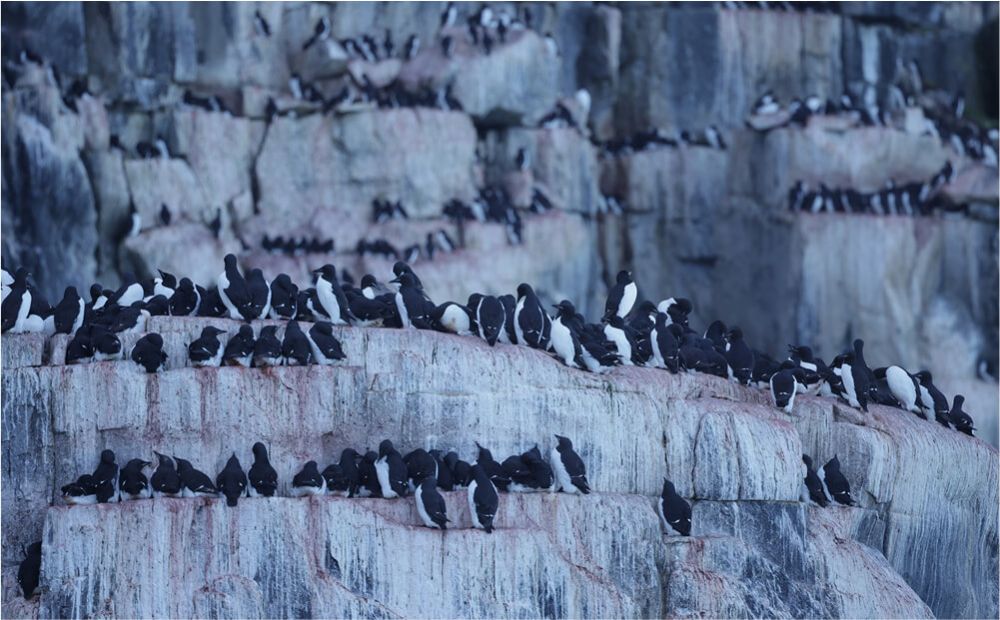
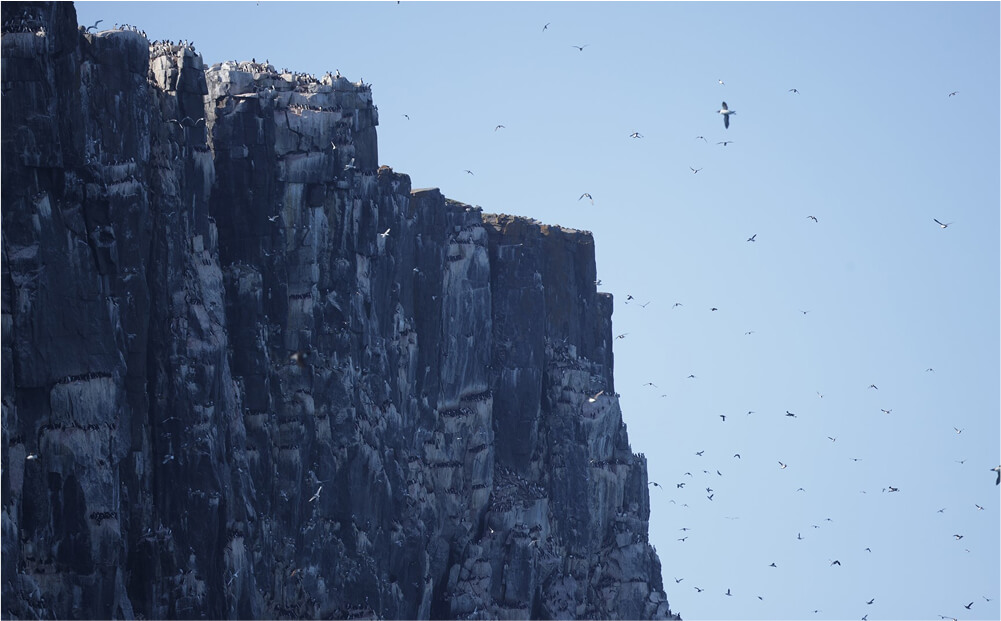
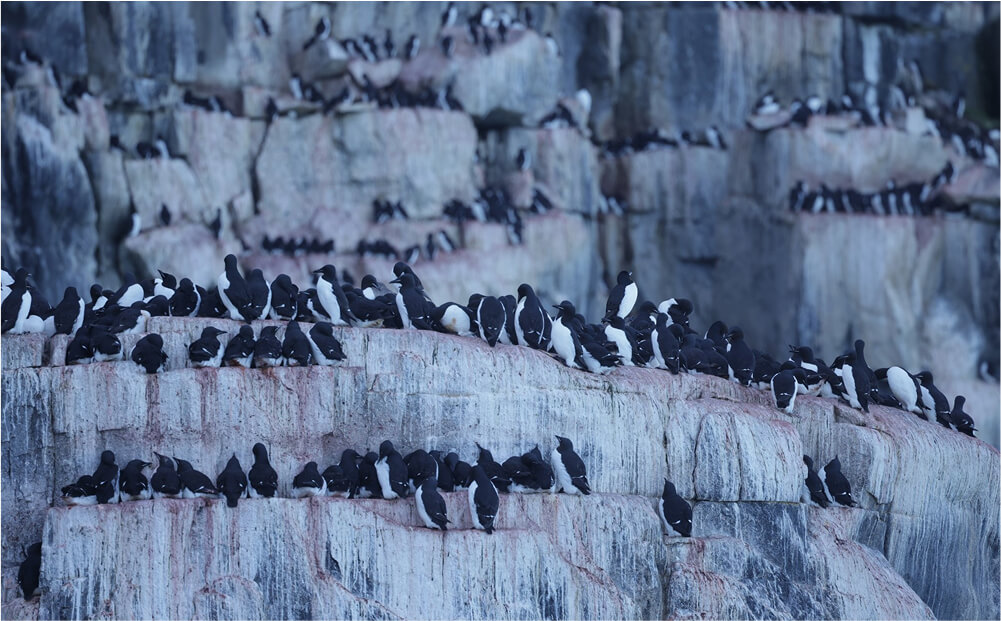
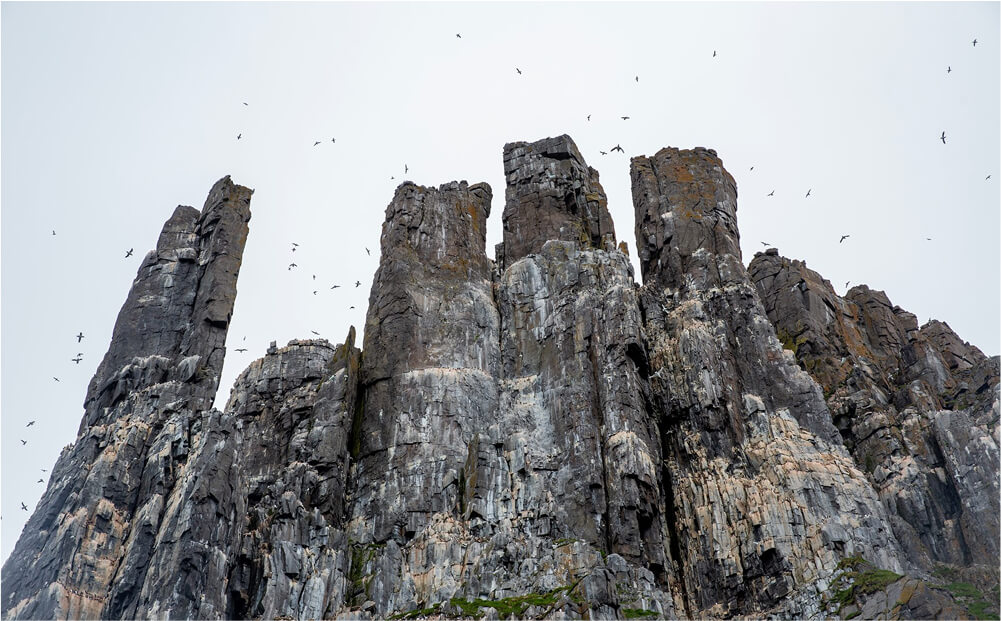
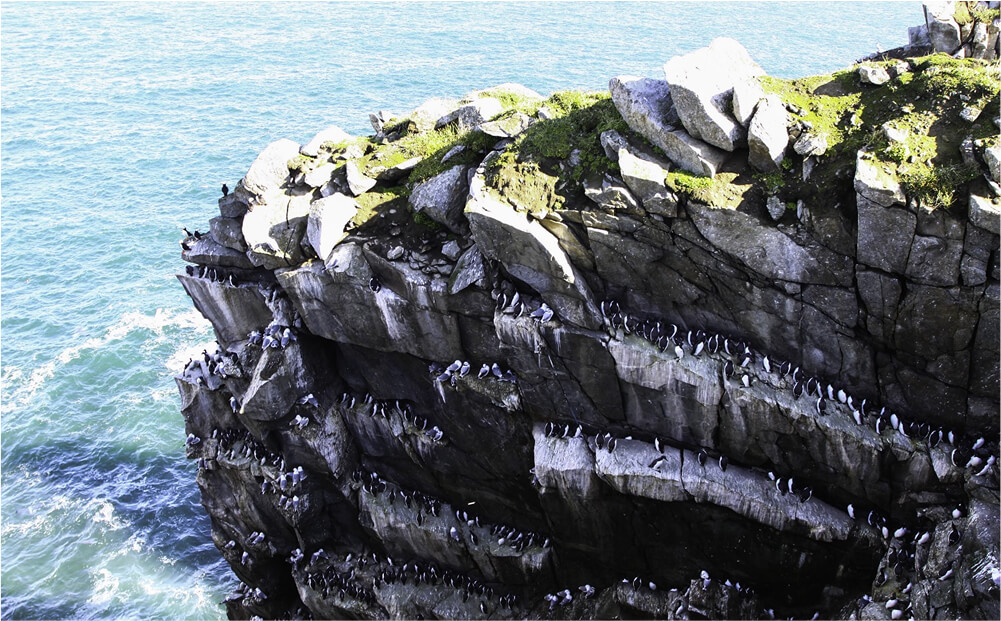
For those who have never been to the Arctic, it may seem that there is only permafrost and endless drifting ice. I thought so too – until I set out by kayak to the cliffs of Alkefjellet in Spitsbergen. There, life was in full swing. I had never seen so many birds at once: more than 100,000. Just look at the photo. In this region, it is one of the largest bird colonies nesting on the cliffs during the brief northern summer.
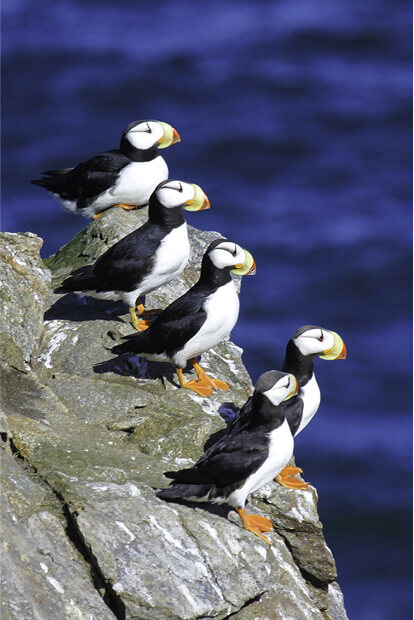
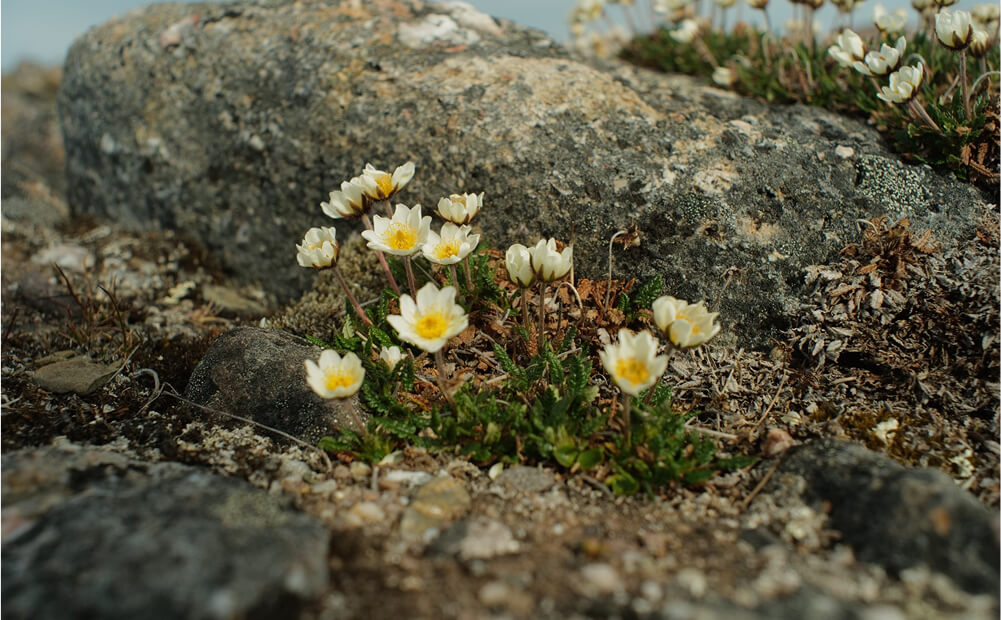
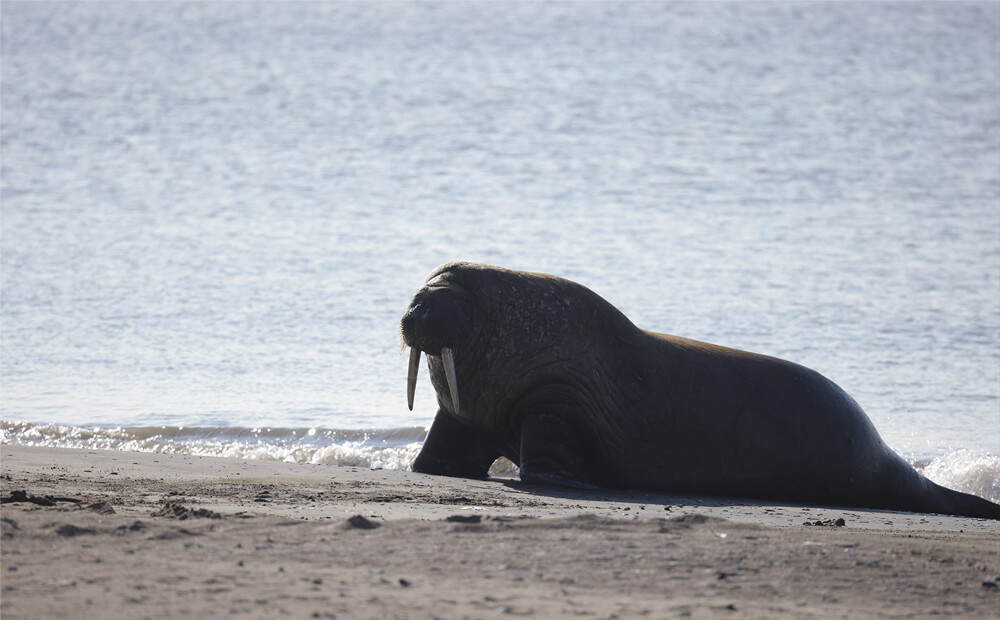
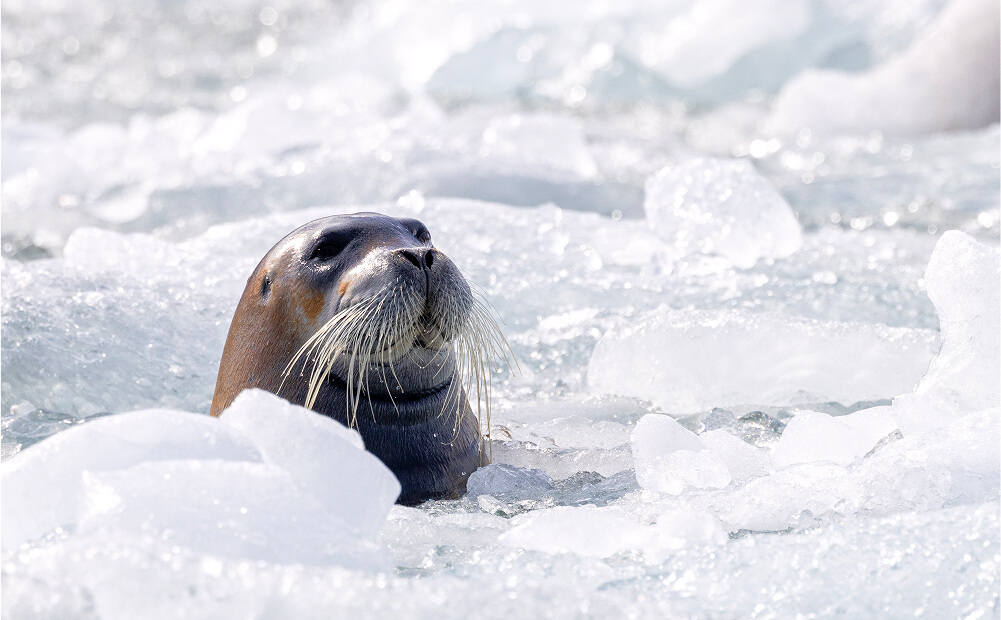
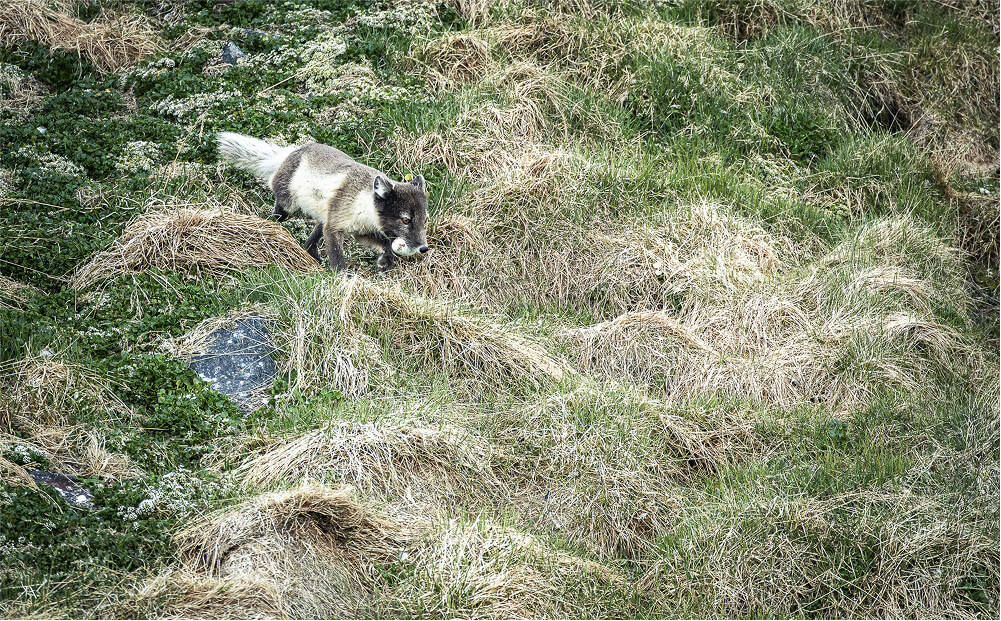
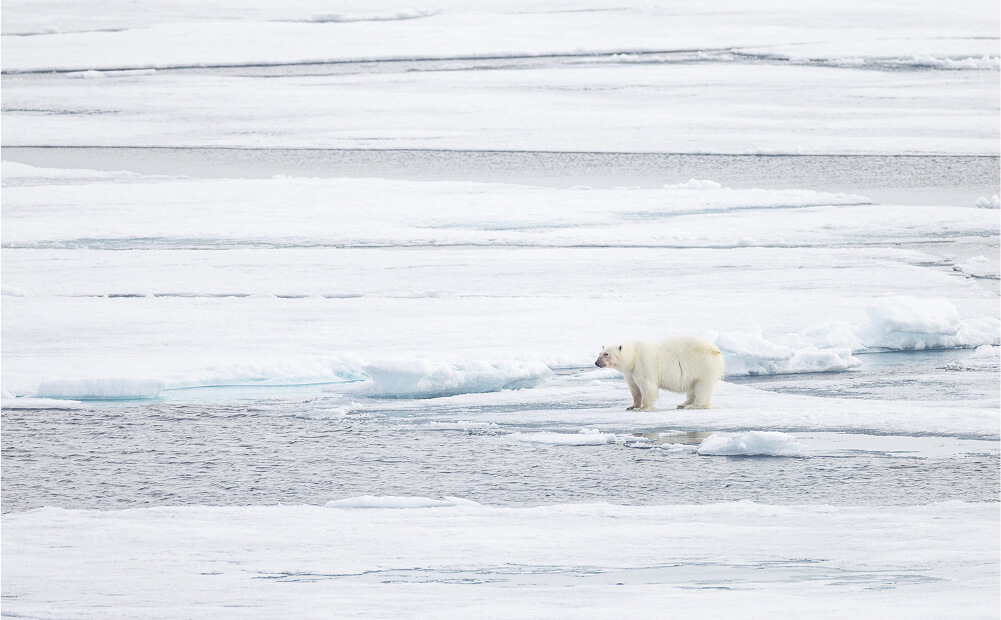
The Arctic is also home to polar bears, walruses, narwhals, loons, and Arctic foxes – all perfectly adapted to the extreme conditions of the North. As for flora, it is minimal – mosses, lichens, and dwarf shrubs.
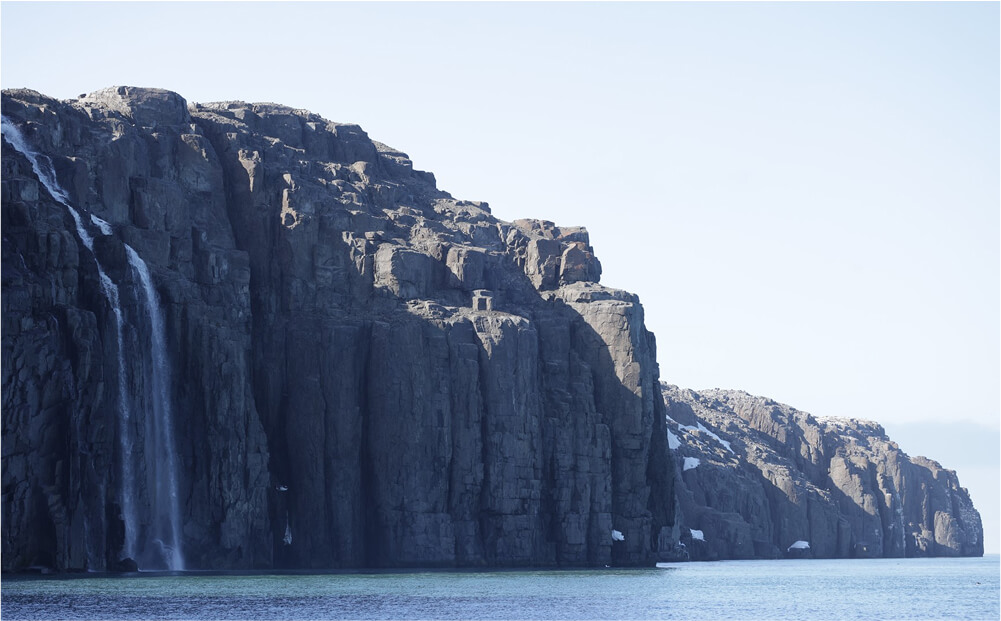
There are no trees at all on the Spitsbergen archipelago.
Where Do People Live?
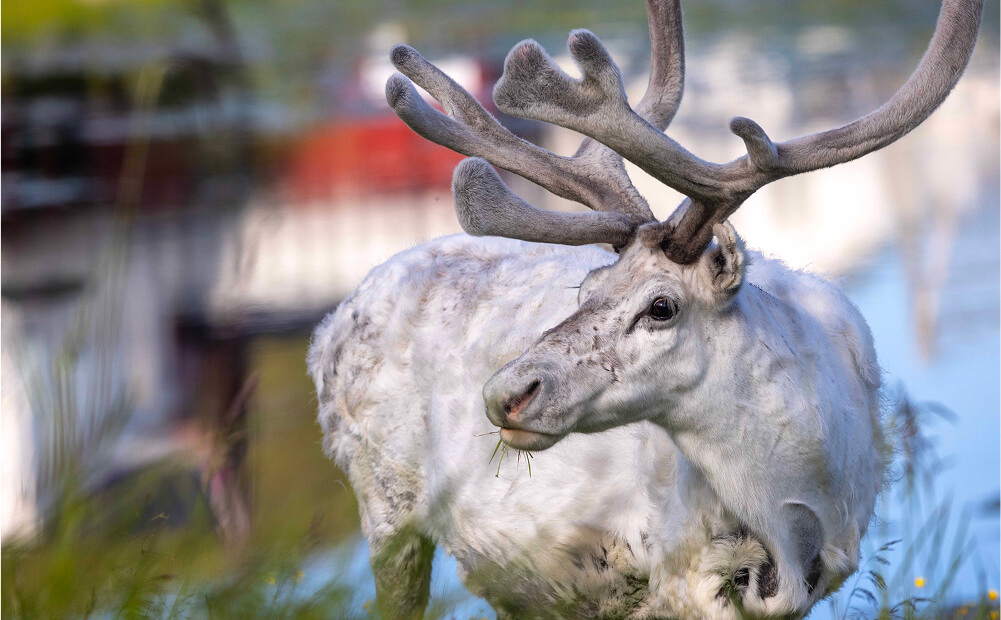
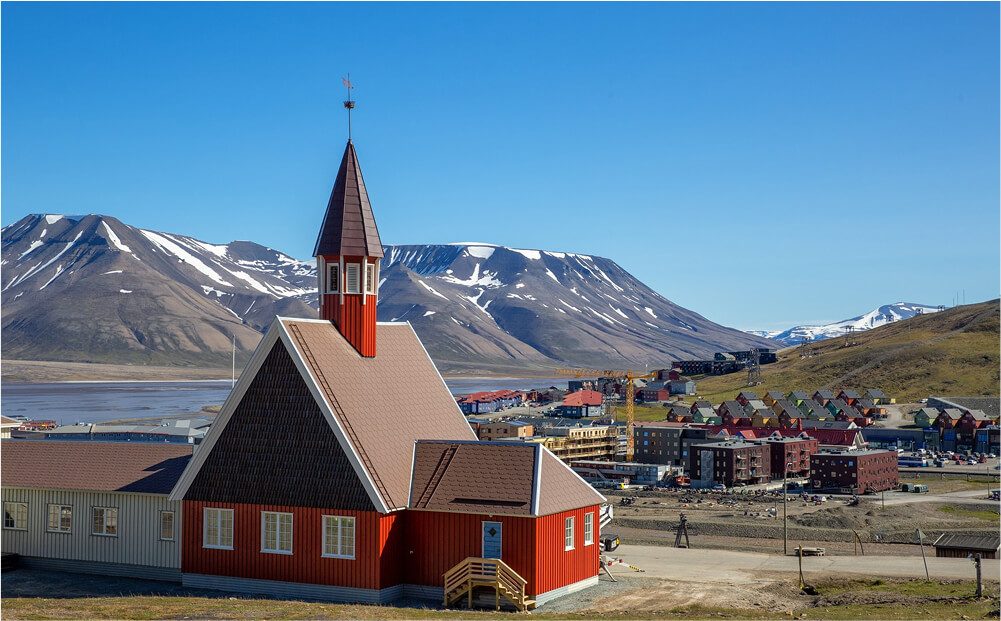
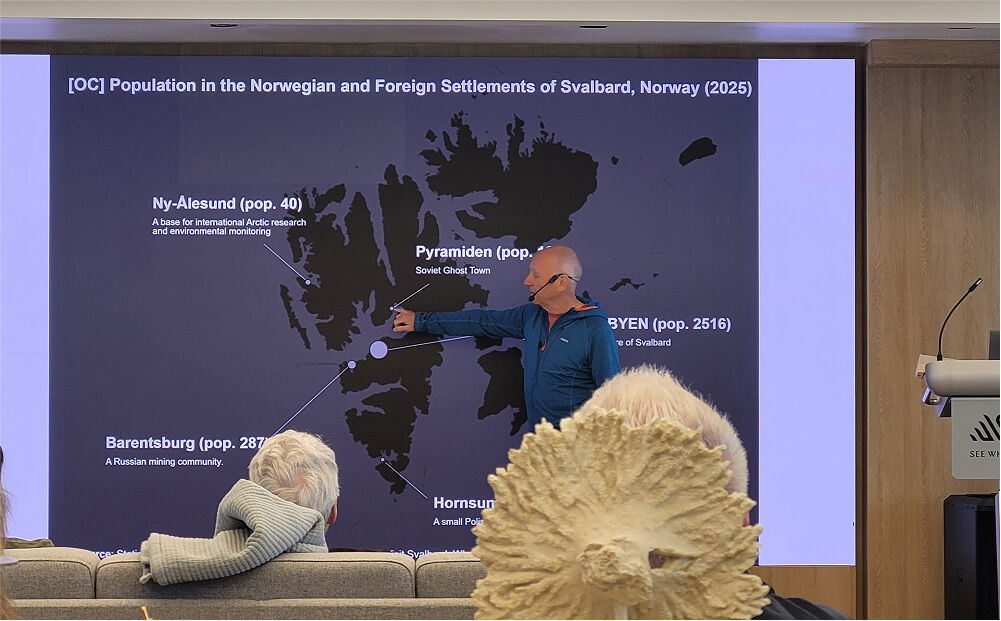
In the capital of the archipelago – Longyearbyen – about 2,400 people reside. It is the northernmost settlement in the world served by regular civilian flights. Here you can find shops, a school, a kindergarten, a university campus, and a museum. To my surprise, I saw children’s playgrounds near the houses (I had imagined there would be nothing for children to do here). But no – everything is just like in an ordinary little town, where residents know each other by name. The only difference is that the streets are sometimes crossed by reindeer, and leaving the town’s limits for the wilderness without a rifle is forbidden. While we were walking around Longyearbyen, we saw flocks of geese here and there. And in another town – Ny-Ålesund – we watched gulls dive-bombing a fox that was trying to snatch their chicks.
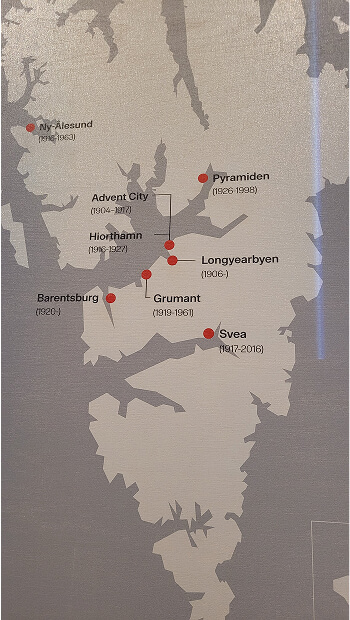
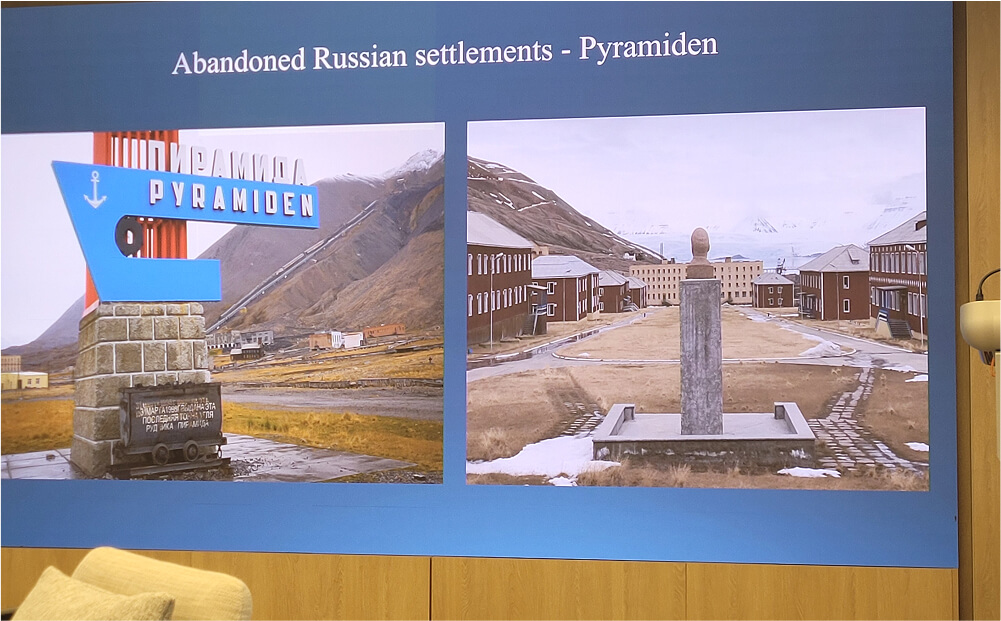
Other settlements have far fewer residents – for example, the abandoned Soviet settlement of Pyramiden has only 10 inhabitants, while Barentsburg is home to around 300 Russian-speakers. I will write separately another time about how it happened that there were towns on Spitsbergen founded by the USSR and what their status is today.
Why You Cannot Die Here
This is not a metaphor. In Longyearbyen, it is officially forbidden to die. The reason lies in the permafrost – bodies do not decompose. When a cemetery was established here in the early 20th century, it turned out that even decades later, the remains of the deceased were almost perfectly preserved. This became particularly evident during the Spanish flu epidemic – the virus continued to live in the frozen bodies.
Today, anyone who is terminally ill is transported from the archipelago to the “mainland” – to Norway. These are the rules.
To be continued.
Natalia Kardash
The first article in the series “At the Edge of the World: First Encounter with the Arctic” can be read at this link.