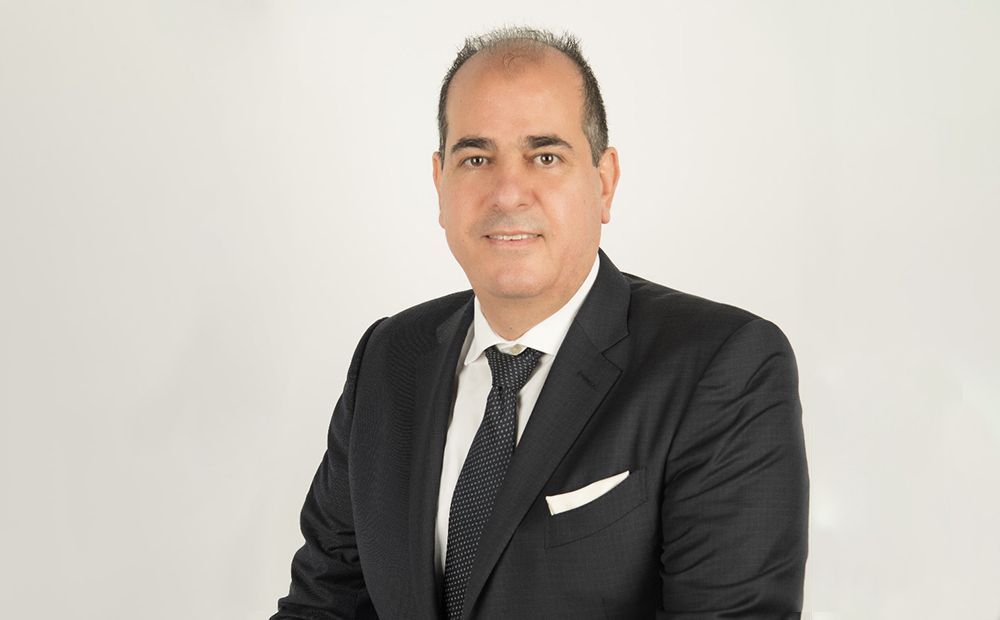
Longevity has become one of the most discussed topics in modern healthcare. Wearables, blood tests, genetic panels and “biohacking” tools promise control over health and ageing. Yet many people feel they are not moving forward. According to George Xydas, CEO of Swissmed Health, the problem is not lack of information but the absence of a clear, structured path from data to action.
– Longevity is everywhere today. Why do so many people still feel stuck?
Because we have more health data than ever before, but far less clarity about decisions. People collect numbers, reports and dashboards, yet no one helps them translate this information into a sequenced plan. Information itself is not the solution. Execution is.
– Where does the longevity journey usually break down?
Very often at the testing stage. People do extensive diagnostics, receive results, and then hear vague advice like “optimise your lifestyle”. Longevity turns into a folder full of PDFs instead of a process.
– How does Swissmed Health convert diagnostics into real outcomes?
We use a structured Health Optimisation Process. First, we define the target – energy, sleep, cognition, metabolic health, cardiovascular resilience or risk reduction. Second, we map the constraints: inflammation, nutrient deficiencies, hormonal imbalance, gut integrity, toxic exposures, chronic infections, autonomic stress or metabolic inflexibility. Third, we build a sequenced protocol: remove what is draining resources, restore what is missing, train what is weak. Then we re-test. If markers do not move, the plan changes.
– Many readers hear about tools like IHHT or peptides. How should they view them?
These tools can be useful, but only when indication-driven and medically supervised. IHHT can support recovery and resilience when used correctly. Peptides are not shortcuts. When appropriate, they belong in monitored protocols with clear goals and measurable endpoints. Hype is easy. Measured progress is rare.
– What is the next practical step for someone who wants to act without being overwhelmed?
Think in 90-day cycles. Choose one outcome, not ten. Track a small set of markers linked directly to that outcome. Commit to a 12-week intervention and set a re-test date in advance. Before starting, ask three questions: What is my main constraint? What will we change first? How will we prove it worked? If a plan cannot answer these clearly, it is not personalised – it is generic.
Swissmed Health
Phone: 80070900
www.swissmedhealth.com

Materials are provided by Swissmed Health